Guides
How New York Botanical Garden and Brooklyn Botanic Garden differ by season
New York Botanical Garden and Brooklyn Botanic Garden split the year differently, so the right garden for your visit depends on the month and the seasonal highlight.
What to take away
- New York Botanical Garden spreads bloom across 250 acres in the Bronx, half of it preserved forest, so a visit two weeks after Brooklyn Botanic Garden's peak still lands in full spring.
- Brooklyn Botanic Garden compresses cherry blossom season into days rather than weeks on 52 acres beside Prospect Park, and the festival weekend sells out.
- Glasshouse access is the sharpest splitNYBG's Enid A. Haupt Conservatory carries ticketed shows with their own timed entry, while BBG's Steinhardt Conservatory is included with general admission year round.
- Under the ADA Standards for Accessible Design, both gardens must sell accessible seating and companion tickets through the same checkout, at the same prices, with no separate phone call.
- Members enter early at both, which decides cherry blossom weekends and holiday light evenings more than any other perk.
Two gardens, two calendars
The two gardens sit about an hour apart by subway and Metro-North, in different boroughs, and they organize the year on different clocks.
NYBG occupies 250 acres of the Bronx, half of it preserved forest, with the Enid A. Haupt Conservatory as its glasshouse centerpiece. Brooklyn Botanic Garden covers 52 acres beside Prospect Park and runs tighter, shorter bursts of bloom.
That size gap drives the whole comparison. A festival that fills NYBG's grounds for six weeks can fill BBG's for two.
Both are member institutions of the American Public Gardens Association, and the APGA background on US public gardens explains how these nonprofit gardens are organized and funded.
Each garden publishes its festival calendar months ahead, usually with ticket on-sale dates attached. NYBG spreads programming across the year: an orchid show in late winter, spring bulbs, summer evening hours, a pumpkin and harvest season, then the holiday train show.
BBG concentrates on cherry blossom season, a summer festival series, a Chile Pepper Festival in early autumn, and a winter light display.
Weather sets the actual dates. Bloom timing in New York shifts by two to three weeks with winter chill and spring warmth, and NOAA weather data is what garden staff watch when they set peak-week messaging.
If you are picking a season for a 2027 public garden trip, treat the published festival window as a range, not a promise.
Spring: one long season against one short one
Spring is where the two diverge most sharply.
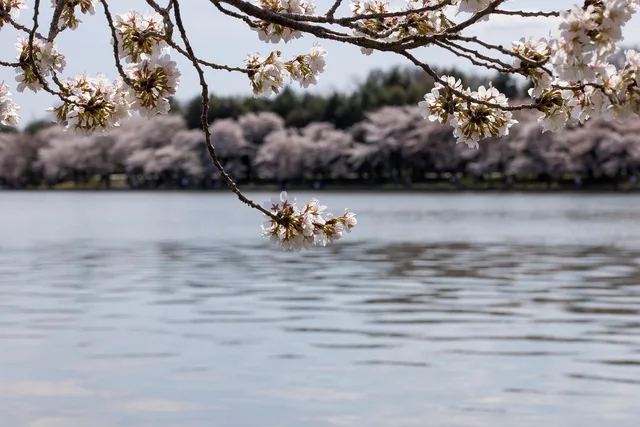
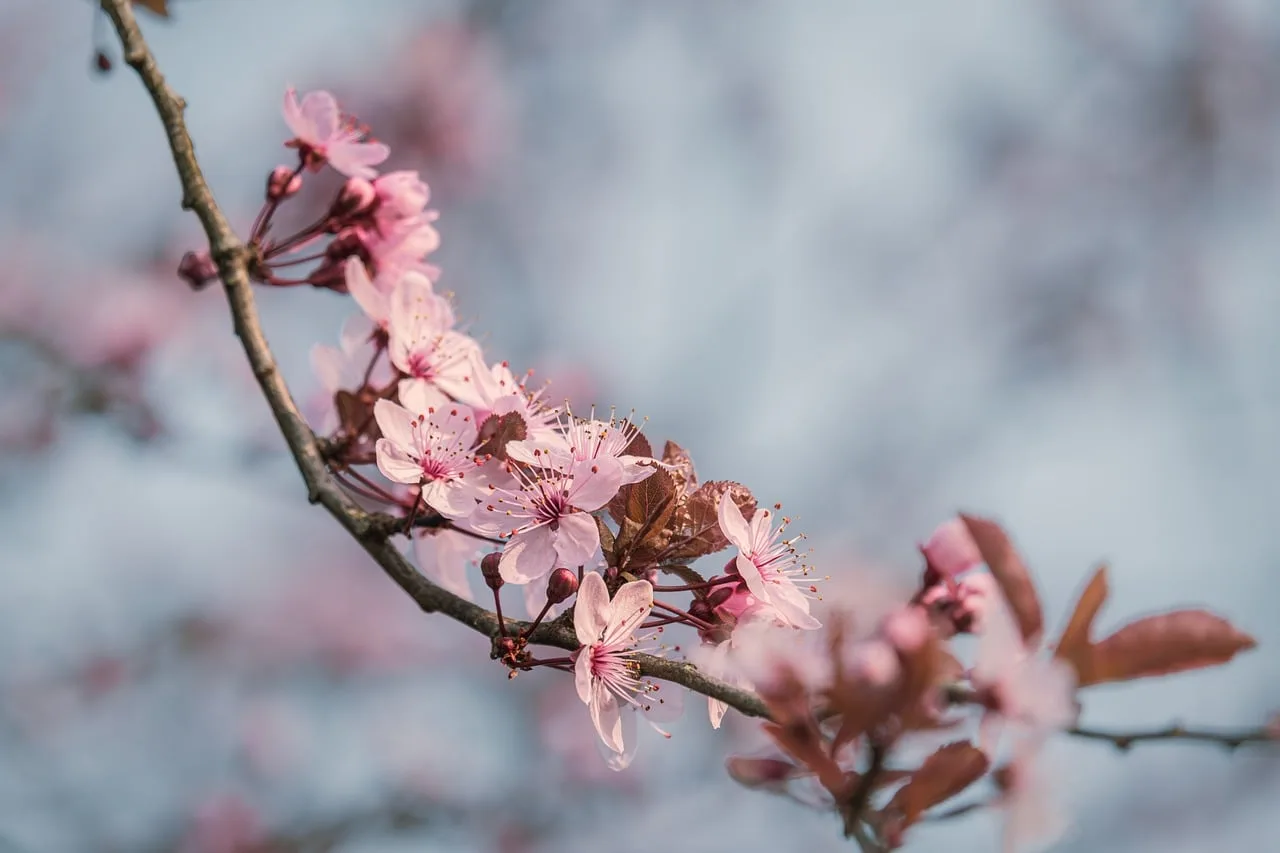
Brooklyn Botanic Garden's Cherry Esplanade and Japanese hill-and-pond garden produce the city's most photographed bloom, and the garden runs a cherry blossom festival tied to that window. The bloom lasts days, not weeks. The festival weekend sells out.
Spring: NYBG vs BBG
New York Botanical Garden
- Acreage
- 250 acres, forest
- Spring signature
- Daffodil Hill, magnolias
- Peak bloom
- Several weeks
- Glasshouse
- Haupt Conservatory, ticketed
- Timed entry
- Major shows, weekends
Brooklyn Botanic Garden
- Acreage
- 52 acres
- Spring signature
- Cherry Esplanade, hill-and-pond
- Peak bloom
- Days
- Glasshouse
- Steinhardt, included
- Timed entry
- Cherry blossom weekends
NYBG's spring is longer and more dispersed. Daffodils open first along Daffodil Hill, magnolias follow, then azaleas and the native plant garden. Because the grounds are large, a visit two weeks after BBG's peak can still deliver a full spring display.
New York Botanical Garden
- Acreage
- 250 acres, including forest
- Spring signature
- Daffodil Hill, magnolias, azaleas
- Peak bloom length
- Several weeks, staggered by species
- Glasshouse
- Enid A. Haupt Conservatory, ticketed shows
- Autumn signature
- Forest trails, tram tours, harvest display
- Winter signature
- Holiday train show, orchid show
- Timed entry
- Required for major shows and weekends
Brooklyn Botanic Garden
- Acreage
- 52 acres beside Prospect Park
- Spring signature
- Cherry Esplanade, Japanese hill-and-pond garden
- Peak bloom length
- Days, concentrated in one window
- Glasshouse
- Steinhardt Conservatory, included with admission
- Autumn signature
- Chile Pepper Festival, smaller grounds close earlier
- Winter signature
- Light display, conservatory collections
- Timed entry
- Required for cherry blossom and festival weekends
Book BBG for a single high-intensity bloom day and NYBG for a flexible spring visit. Check peak bloom dates before committing, because a cold March pushes both calendars back.
Summer: evening hours and timed entry
Summer changes the calculation. Both gardens run evening hours and use timed entry to spread arrivals across the day.
NYBG typically opens earlier for members and stays open later on selected evenings, when the forest trails are the draw rather than the conservatory.
Brooklyn Botanic Garden's summer identity is event-driven. Its festival series brings music, food and performances onto the grounds, and those weekends behave more like a concert than a garden visit: gates, bag checks, a fixed entry window. For a quiet summer walk at BBG, choose a weekday morning.
Timed entry works the same way in outline at both sites. You pick a date and an arrival window when you buy online, enter within that window, and stay as long as you like. Popular windows sell out days ahead on festival weekends. Walk-up tickets exist but are not assured once a window is capped.
Accessibility obligations attach to those tickets. Under the ADA Standards for Accessible Design rules on ticket sales, venues selling timed entry must offer accessible seating and companion tickets through the same sales process, at the same prices, without requiring a separate phone call.
That covers garden festival stages and seated evening programming at both institutions. Confirm specifics with each garden's access office.
A two-day botanical garden itinerary that puts the glasshouse first works well in summer, when one garden fits a cool morning and the other an evening.
Autumn: what closes first, and in what order
Autumn is the most underrated season at both gardens and the easiest to plan.
NYBG's Thain Family Forest trails turn first, and the garden keeps tram tours and walking routes open through leaf season. The harvest and pumpkin display runs into late October.
Brooklyn Botanic Garden's autumn is shorter and sharper. The smaller grounds mean leaf drop is concentrated, and the Chile Pepper Festival in early autumn is its signature event. After that, outdoor programming winds down faster than at NYBG, partly because there is less ground to keep staffed.
What closes first in autumn
- After early autumnBBG outdoor festival programming
- ThenBBG water features and sections
- As frost sets inNYBG tram and tours
- Ahead of holidaysNYBG outdoor festival programming
- All winterConservatory and glasshouse exhibits
If autumn color is the goal, NYBG gives a longer window and more walking. For one event plus a compact walk, BBG's early autumn festival is the better single day. Check free admission days before you buy, since both gardens run limited free or reduced windows.
Winter: glasshouse access decides the visit
In winter the glasshouse decides which garden you choose.
NYBG's Enid A. Haupt Conservatory hosts the holiday train show, a ticketed indoor exhibition with its own timed entry separate from grounds admission. The same conservatory carries the orchid show in late winter. Both are indoors, both are popular, both sell out on weekends.
Brooklyn Botanic Garden's Steinhardt Conservatory is different in kind. It is included with general admission, holds desert, tropical and warm temperate collections, and works as a year-round indoor walk rather than a ticketed spectacle. On a cold day it is the reason to choose BBG over a bare outdoor garden.
Holiday programming splits the same way. NYBG runs the train show plus evening light experiences on selected dates. BBG runs its own light display through the winter, smaller in scale and easier to book. For what these displays cost and deliver, see which holiday light displays justify the ticket price.
Winter logistics matter more than in other seasons. Outdoor sections at both gardens close or narrow after snow, and paths may be treated but not fully cleared. Indoor capacity caps are enforced through timed entry, so book the conservatory slot before you plan the rest of the day.
Ticket rules, member entry and what combines
Ticket structures at the two gardens are similar in shape and different in detail. Both sell general admission plus add-on tickets for major shows, and both require timed entry for those shows. NYBG's add-ons are the conservatory exhibitions. BBG's are its festival weekends and light display.
Ticket booking checklist
- Buy online before you travel
- Check member preview or public opening
- Confirm separate glasshouse timed ticket
- Look for accessible companion tickets
- Compare single visit vs membership
- Check free or reduced admission windows
- Keep your arrival window
- Buy online before you travel, especially for cherry blossom and holiday weekends.
- Check whether your date is a member preview or a public opening.
- Confirm whether the glasshouse show needs a separate timed ticket from grounds entry.
- Look for accessible and companion ticket options in the same checkout flow.
- Compare a single visit against a membership if you plan two or more trips.
- Check free or reduced admission windows before paying full price.
- Keep your arrival windowlate arrival can mean being redirected to another slot.
Membership is the real discount at both gardens. Members get early entry, decisive on cherry blossom weekends and holiday evenings, plus preview access to new shows.
Live in the city and plan more than two visits a year, and membership usually beats repeat single tickets.
Compare the current member rate against the day ticket on each garden's own site before you decide.
Combined options are limited. The two gardens are separate nonprofits with separate ticketing systems, so there is no joint pass. Budget travelers should pair one paid garden day with a free one, and use official travel resources for transit and trip planning around the city.
Choosing by month, not by reputation
Stop comparing reputations and start comparing months. The right garden depends on what is open when you go.
Go to Brooklyn Botanic Garden in spring for cherry blossom season and in early autumn for its festival. Go in winter for a conservatory walk included with admission. Go on a weekday if you want quiet.
Go to the New York Botanical Garden in spring for a longer bloom window, in summer for evening hours and forest trails, in autumn for color and tram tours, and in winter for the holiday train show and orchid show. Go when you are willing to book a timed conservatory slot.
A worked example: a visitor in late April with one free day. Check the bloom reports first. If BBG's cherry trees are at peak, buy a timed ticket there for the morning. If they have already dropped, switch to NYBG, where magnolias and azaleas are still running, and add a conservatory slot. Same day, same budget, different garden.
Common questions
Do I need timed entry tickets for both gardens?
For major shows and festival weekends, yes. Both NYBG and Brooklyn Botanic Garden issue timed entry for high-demand dates, and walk-up entry is not assured once a window fills. Check each garden's official site for the current policy on your date.
Which garden has better glasshouse access in winter?
NYBG's Haupt Conservatory hosts ticketed winter exhibitions, so access requires a separate timed ticket. BBG's Steinhardt Conservatory is included with general admission, which makes it the simpler cold-weather option. Confirm current hours with each garden before you travel.
When is cherry blossom season at Brooklyn Botanic Garden?
It falls in spring and lasts days rather than weeks, with a festival weekend attached. Exact timing shifts each year with winter chill and spring warmth, so check bloom updates before booking. The garden's own bloom report is the dated source to trust.
Are the two gardens close enough to visit in one day?
They are roughly an hour apart by transit and sit in different boroughs. Doing both in one day is possible but rushed; two half-days is more realistic. Plan around the arrival windows you booked rather than the distance.