Guides
Part of Public garden case studies: how to read the reporting
Public garden case studies itinerary: a comparison framework
Public garden case studies itinerary as a comparison framework: consider named community projects, then use a formal garden to put their work in context.
A public garden case studies itinerary works here as a comparison framework, not a route you can follow from site to site. Day one offers working-garden examples in separate cities: Upper Albany in Hartford, D-Town Farm in Detroit, Denver Urban Gardens, the Food Project near Boston and City Blossoms in Washington, D.C. Day two uses a formal garden, the New York Botanical Garden or Longwood Gardens, as a point of comparison.
The comparison starts with community-scale projects, then uses a formal garden on day two to put their work in context.
What to take away
- Community projects are best visited in the morning, when people are working.
- Arrange visits in advance; these are not drop-in attractions. KNOX, Denver Urban Gardens and D-Town Farm all take requests through an office.
- Save the large formal garden for day two, as a reference rather than a highlight.
- Look for the training and youth programs, which are where the ideas come from. City Blossoms, the Food Project and the Edible Schoolyard all publish material.
- Choose sites with a named organization behind them, so you know who to write to.
Working-garden examples: Upper Albany and other plots
Start where the work happens. In Hartford, Connecticut's Upper Albany neighborhood, a vacant lot was turned into greenspace for pollinators and food.
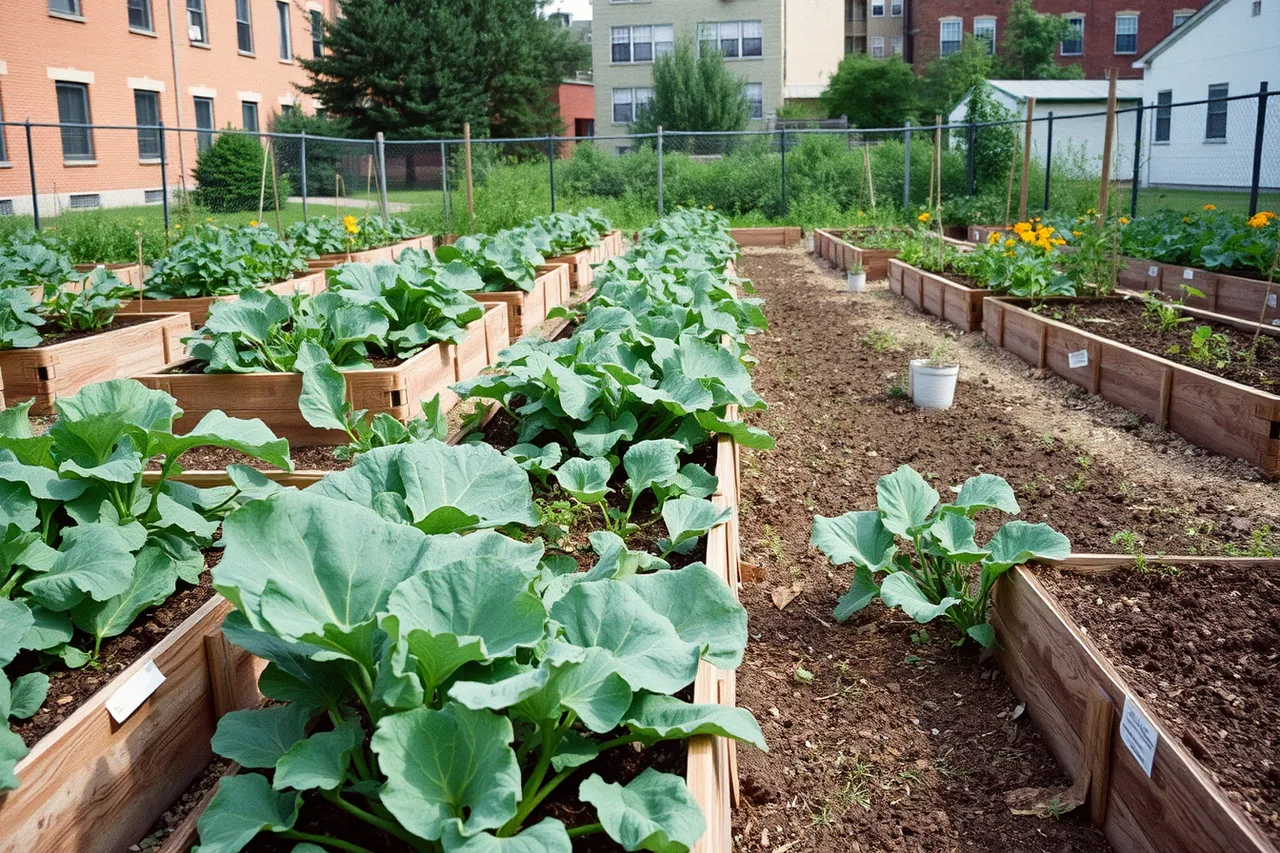
KNOX, Inc., the Hartford nonprofit that runs the city's community garden program, oversees twenty-one community gardens citywide with federal partners. The Upper Albany plot holds rows of cucumbers, zucchini, kale and peppers, plus native plants for pollinators.
Arrange the visit through KNOX rather than turning up. Sites like this have a named organization behind them and a clear purpose.
If Hartford is out of reach, three substitutes follow the same pattern:
- D-Town Farm, run by the Detroit Black Community Food Security Network in Rouge Park, grows vegetables on roughly seven acres and runs a farm stand.
- Denver Urban Gardens, founded in 1985, supports a network of community gardens across metro Denver and runs the DeLaney Community Farm in Aurora with refugee and immigrant growers.
- Alemany Farm, on the slope below McLaren Park in San Francisco, holds public volunteer workdays and grows food for donation.
Training-program examples: City Blossoms and other projects
Working gardens often carry a training component, and it is the part with the most transferable material. The youth entrepreneurship cooperative workbook published by the United States Botanic Garden with City Blossoms is a good illustration. It is built on more than seven years of running a youth-led cooperative garden business.
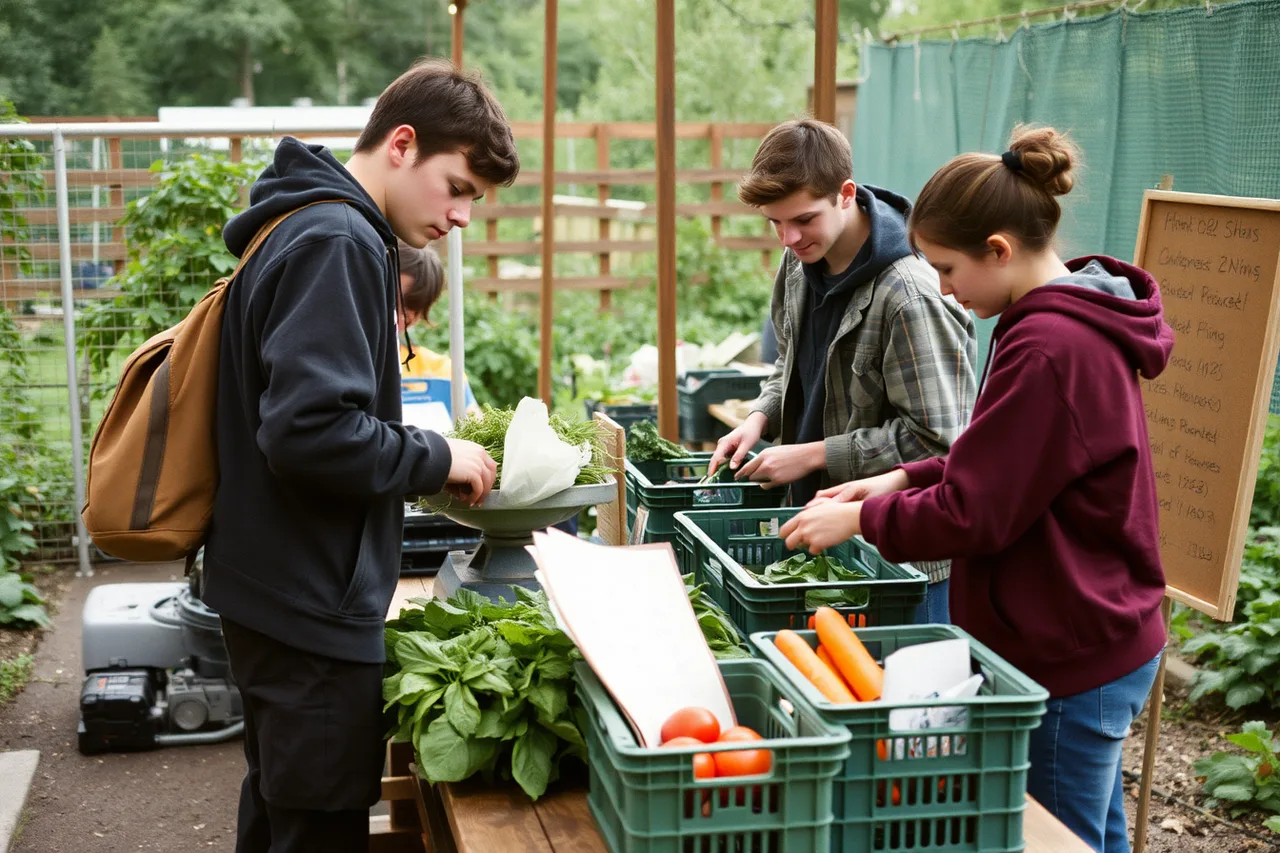
The workbook covers recruiting participants, forming local partnerships, designing a safe and welcoming meeting space and launching a youth-led cooperative. It includes templates and guiding questions for adapting the model elsewhere, and it is a free download.
Four sites run that material in public:
- City Blossoms, the Washington, D.C. nonprofit founded in 2007, runs kid-driven community gardens and co-wrote the workbook.
- The Food Project farms in Lincoln and Boston, Massachusetts, and pays teenagers to work on summer farm crews.
- The Edible Schoolyard at Martin Luther King Jr. Middle School in Berkeley, California, pairs a garden with a kitchen classroom and began in 1995 with Alice Waters.
- City Growers runs school field trips on the Brooklyn Grange rooftop farm at the Brooklyn Navy Yard. Brooklyn Grange also farms in Long Island City, Queens.
If a site near you runs something like that, ask whether you can see it in operation.
After the visits: read the project reports
Read the project reports for what you saw. Twenty minutes with the published documentation will explain half the things you did not understand on the ground. The USBG workbook, City Blossoms and the Food Project all describe how their programs are run.
Day two: a formal garden as context
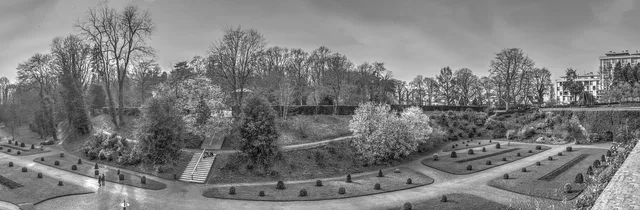
Now visit the large public garden, such as the New York Botanical Garden's 250 acres in the Bronx or Longwood Gardens in Kennett Square, Pennsylvania, and look at it through what you saw yesterday.
Find the kitchen garden, the propagation beds, the community and education spaces. Ask how the institution supports projects beyond its own boundary. You will get a completely different visit from the one most people have.
The comparison runs both ways. The formal garden shows you what unlimited maintenance looks like, which makes the compromises at the neighborhood plot legible rather than disappointing. The neighborhood plot shows which of the formal garden's ideas could survive without a full-time staff.
The shape
Slot / Purpose
- Day one morning
- Upper Albany in Hartford, D-Town Farm in Detroit or Denver Urban Gardens, by arrangement
- Day one afternoon
- A training program: City Blossoms, the Food Project or the Edible Schoolyard
- Day one evening
- Read the published reports
- Day two
- A formal garden such as the New York Botanical Garden, read as context
This is a comparison framework, not a bookable route. Our overview of documented garden projects covers how to find these sites, and our two-day plan that avoids the usual mistakes covers practical scheduling.
Write to your hosts afterwards. Community projects almost never hear back from the people who visit them, and a short note saying what you took away is worth more than it sounds. It also keeps the door open if you want to return in a different season and see how the plot has held up.