Maintenance
Part of Historic gardens compared: reading a restoration claim before you pay for one
Historic gardens tips for reading a garden's design
Historic gardens tips for a first visit: use Dumbarton Oaks and Monticello to read sightlines, terraces, planting, and garden history.
These historic gardens tips start with a change of focus. On a first visit, it is easy to treat a historic garden as a flower garden with old walls. The design is the exhibit, the planting is the medium, and much of what is interesting remains visible whether or not anything is in bloom.
What to take away
- Stand at viewpoints where the design comes together; look along paths and through openings to understand the intended sightlines.
- Ask who created or funded the garden, since that context can help explain its purpose and layout.
- Interpretation panels can add details that a quick walk may miss.
- Check how newer areas relate to the older plan; their documentation may offer useful context.
Look along the axes, not at the beds
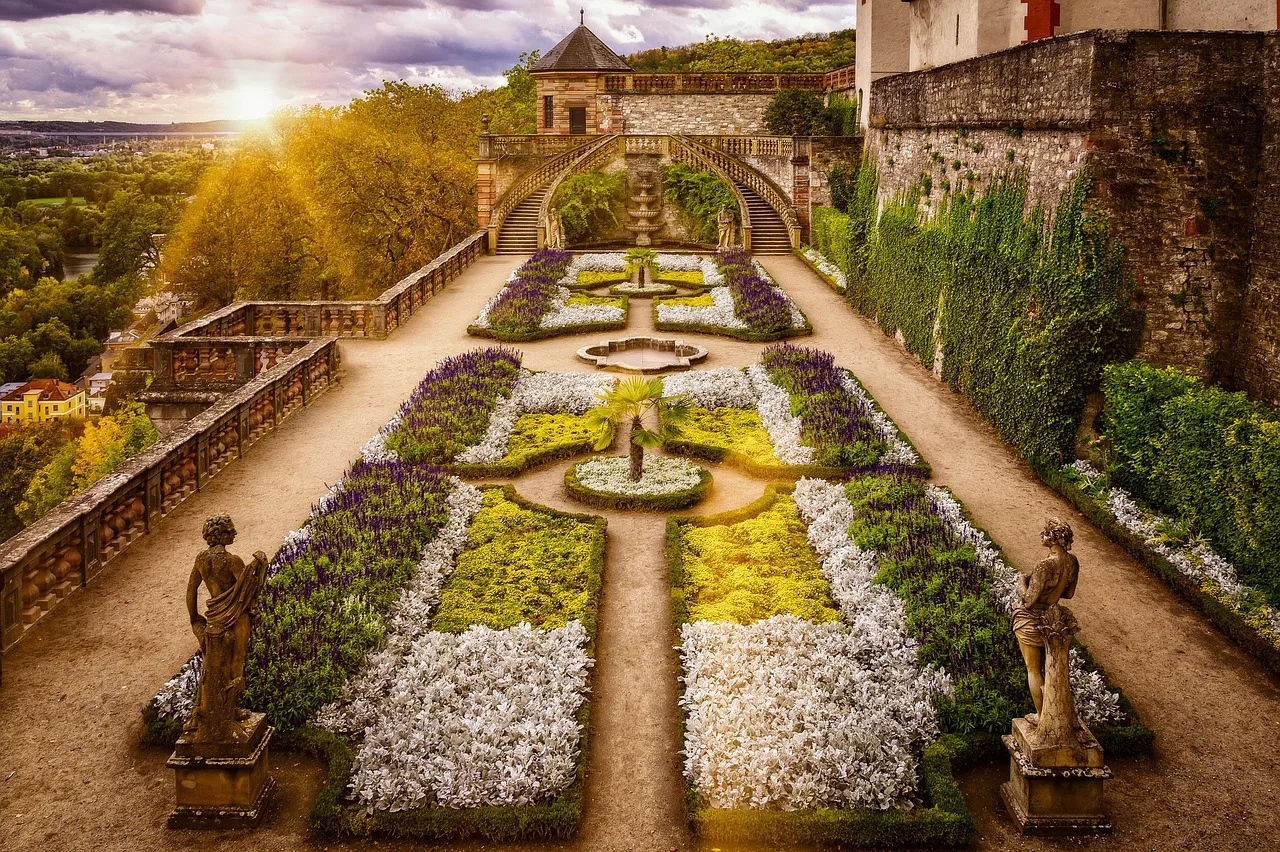
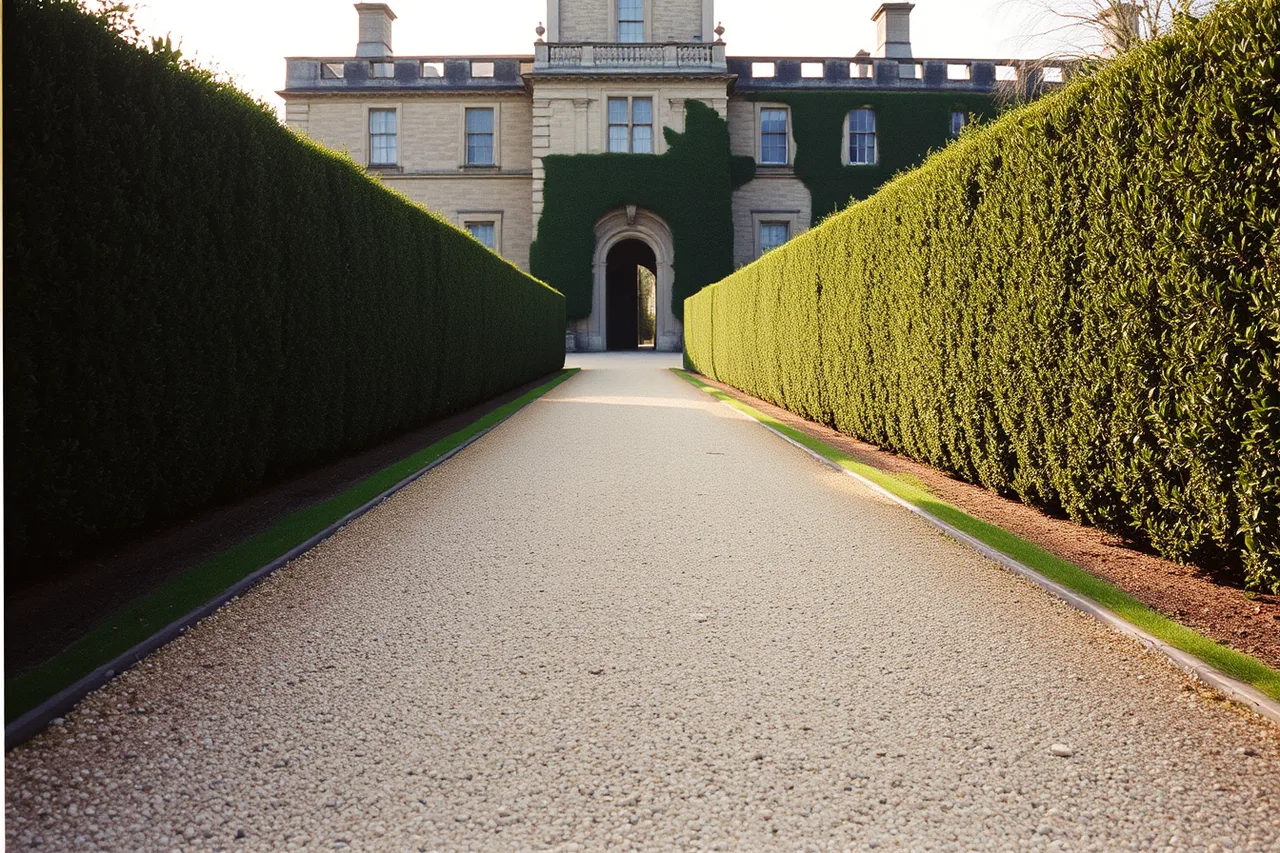
Historic gardens are usually organized around lines of sight: a path aimed at a building, a gap in a hedge framing a view, a change of level that hides one section from another. Walk to the point where the plan resolves and stand there. Doing that once teaches more than photographing forty plants.
At Dumbarton Oaks in Washington, D.C., try this on the garden’s terraces: pause at successive levels and compare what each reveals or screens from view. Use the garden map to locate yourself and trace how the route connects those levels. At Monticello in Charlottesville, Virginia, compare the long vegetable garden terrace with the flower gardens near the house; the contrast between working and ornamental spaces makes the layout easier to read.
Ask who paid, and when
Funding and stewardship can help explain a garden's purpose. The National Garden at the United States Botanic Garden is a modern contrast, not a historic-garden example: its institutional origins show why it is useful to ask who shapes a public garden's purpose and layout.
The National Garden opened on October 1, 2006, after five years of construction. Congress, the Joint Committee of the Library, a national fundraising body, the Garden itself, and the Architect of the Capitol collaborated.
It was designed to provide living laboratories for environmental, horticultural and botanical education in a contemplative setting.
Its multiple collaborators are a reminder to ask who created, funded, and maintains a historic garden. At the site, look for that context in the plan, interpretation, and visitor materials; it can help explain why the garden is arranged as it is.
Before visiting Dumbarton Oaks, check its official visitor information for a garden map and access details. On site, ask staff where the plan or any interpretation explains the terraces; not every garden has interpretation panels.
For other U.S. sites, consult the National Register of Historic Places records maintained by the National Park Service when a property is listed. For a concrete search, enter “Monticello” in the National Register of Historic Places database maintained by the National Park Service, then use the listing’s documentation to look for descriptions of the property’s design and history. Ask a garden’s archives or curatorial staff about plans and design history, and horticulture staff about tree inventories or records.
Read the panels
Interpretation panels can give a garden visit context that is easy to miss while walking. A visitor kiosk example shows how panels can bring together a site's history and present-day operations.
At Dumbarton Oaks, use the garden map to connect a marked route with the terraces. At any public garden, check visitor information before traveling to see whether a site plan or interpretation panels are available. If panels are present, look for details about the site’s history, design, plant collections, and care.
A few minutes with that context can make later details easier to understand. Compare the plan or panel with what you see on the ground, rather than trying to read every sign.
The parts people walk past
- Boundary walls and gatescompare materials and alignments, and notice how they frame an entrance or view.
- Service areas, including potting sheds, frames, and water systems: look for clues to how the garden was maintained.
- Modern additions: compare their paths and materials with the older layout; newer areas are usually better documented than the old parts.
- Treesask staff whether an inventory identifies older or veteran specimens rather than judging age by size alone.
Slow down twice
Do one fast lap for orientation, then return to two places and stay. Historic gardens are designed for repetition, not a single pass.
Before traveling, check the garden’s visitor information for current access, a site plan, and whether tours are offered. Once there, photograph the plan, mark your route, and note a sightline, a change of level, and a question for staff.
If you take one thing from a first visit, make it a photograph of the site plan with your route drawn on it. Historic gardens are designed sequences, and seeing afterwards where you actually walked usually explains why parts of the visit felt disconnected from the rest.