Features
Part of Garden Trips Planning: Five Steps for a Better Visit
Which camera rules actually catch garden photographers off guard?
Photographing public gardens: the rules that catch people out, what a phone handles well, and why the vehicle is often the best hide you have.
Photographing a public garden is mostly a question of permission and patience. The technical part is easy. What goes wrong is turning up with equipment the site does not allow, or standing somewhere you should not stand. Read the policy first, then think about lenses.
What to take away
- Casual hand-held photography is usually fine; posed shoots and tripods usually are not.
- A tripod or easel often needs a permit, requested well in advance.
- A phone is genuinely good for close subjects such as flowers and insects.
- Staying on the path is a rule, not a suggestion, and it is enforced.
Read the policy before you pack
Garden photography rules are stricter than most visitors expect, and published. The photography and art policy at the United States Botanic Garden allows casual personal photographs with hand-held cameras, but prohibits external flash and bulky accessory equipment.
Garden Photography Rules
- Hand-held camerasallowed for personal use
- External flash and bulky equipmentprohibited
- Posed sessionsnot permitted
- Professional or paid photographynot allowed
- Stay on pathways, never block visitors
- Tripods and easelspermit required one week ahead
- Oil paintsnot permitted
Posed sessions of any kind are not permitted, including wedding, graduation, engagement, maternity and fashion shoots. Family shoots and portfolio work for aspiring models and photographers are barred. Professional or paid photography is not allowed, and commercial use of images is prohibited.
The same policy sets out what you may not do physically: stay on pathways, do not block other visitors, do not walk in planted areas or sit on curbs, railings or plants, and do not move, cut or rearrange anything. Artwork on display is protected by the artists' copyright and may not be photographed for reproduction.
Tripods and easels are treated separately. Their use requires a permit, which must be requested at least a week in advance, and they are not allowed during peak visiting periods. Pencil, charcoal, pastel, watercolor and acrylic are permitted for artists; oil paints are not.
What actually works in the field
Wildlife photography guidance from refuges transfers to garden grounds. Published advice for Muscatatuck National Wildlife Refuge makes two points worth carrying into a garden.
Field Technique That Works
- Arrive at opening time
- Walk the same short loop repeatedly
- Let light change, don't chase it
- Keep phone for close subjects
- Use long lens only for distant animals
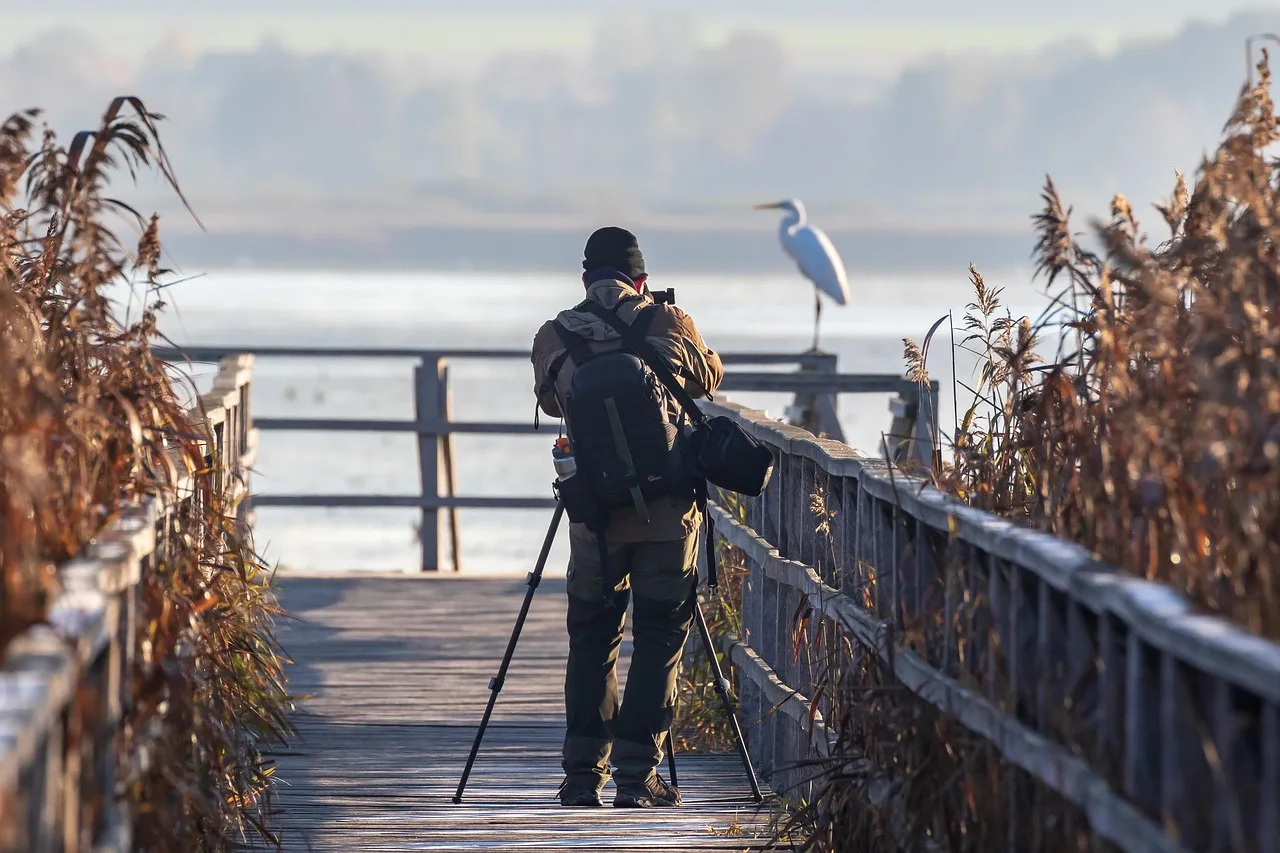
- Stay in vehicle as a hide
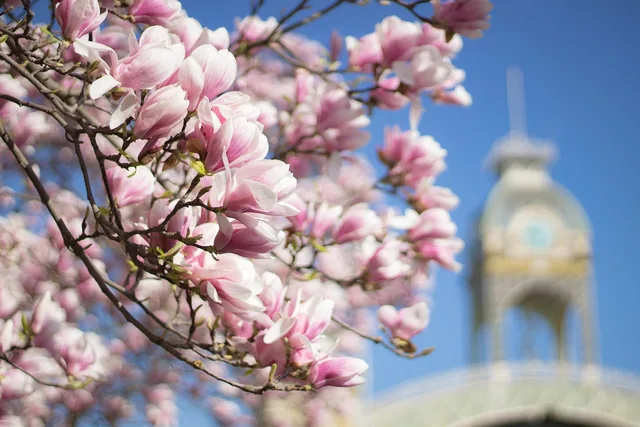
First, most photographers arrive early and move slowly, and many circle the same route several times rather than covering ground once. Second, a phone camera does well on close subjects such as dragonflies, butterflies and flowers, while long lenses matter only for distant animals.
Where a vehicle is permitted, it works as a hide. Animals are used to slow traffic and tend to leave once someone gets out or makes noise.
Translate that to a garden: come at opening, walk the same short loop repeatedly, and let the light change rather than chasing it. Most of the pictures worth keeping come from the third pass, when you already know where the plant is and are only waiting for the sun to move off it.
The kit list
- One camera body or a phone, and at most two lenses.
- A lens cloth, because condensation on entering a warm plant house is guaranteed.
- A small beanbag or clamp instead of a tripod, where the rules allow it.
- Spare batteries, which drain faster in cold outdoor sections.
- A notebook for the plant labels, so your files are identifiable later.
Permission, credit and use
If you plan to publish, ask first and be specific about where the image will appear. Personal use and editorial use are different requests. A garden that says yes to one may say no to the other.
Our guide to planning garden trips covers when to make that request, and our notes on what first-time visitors miss explain why a second slow lap beats a longer lens.