Features
3 garden cities where USDA zones decide your bloom window
USDA zone bloom window garden cities in California, Oregon and North Carolina differ by hardiness zone, so your bloom window shifts by weeks.
What to take away
- San Diego (10a to 10b) blooms January to March, Portland (8b to 9a) late March to May and Raleigh (7b to 8a) late March to April.
- Half a zone is worth one to two weeks of spring timing, so the band decides your week more than the month does.
- The zone sets the winter baseline. NOAA frost and heat records decide whether this year runs early or late.
- Name a garden before a dateSan Diego Botanic Garden, Portland Japanese Garden, Sarah P. Duke Gardens and the North Carolina Arboretum.
How a hardiness zone sets a bloom window
A city's bloom window follows its average annual extreme minimum winter temperature, the figure the USDA Plant Hardiness Zone Map plots.
That winter low decides which trees and shrubs survive, and when they break dormancy. Guidance on reading the zone map notes that zones describe winter cold, not frost dates.
Two cities in one state can sit two bands apart, so their daffodils will not open in the same week. If you are choosing a season rather than a city, spring, summer and autumn compared sets out what each window costs in weather and crowds.
California garden cities: the earliest windows
California carries more hardiness zones than most countries. Coastal cities from San Francisco to San Diego sit in Zones 9b to 10b, where winter lows rarely reach freezing. Inland Sacramento runs 9a to 9b, and the Sierra foothills drop to Zones 7 and 8.
[figure 2]
California Garden City Zones
Coastal
- Zone band
- 9b-10b
- Bloom window
- Jan-Mar
- Season character
- Early, fast
Inland
- Zone band
- 9a-9b
- Bloom window
- Mar-Apr
- Season character
- Compressed
Sierra Foothills
- Zone band
- 7-8
- Bloom window
- Later
- Season character
- Cooler
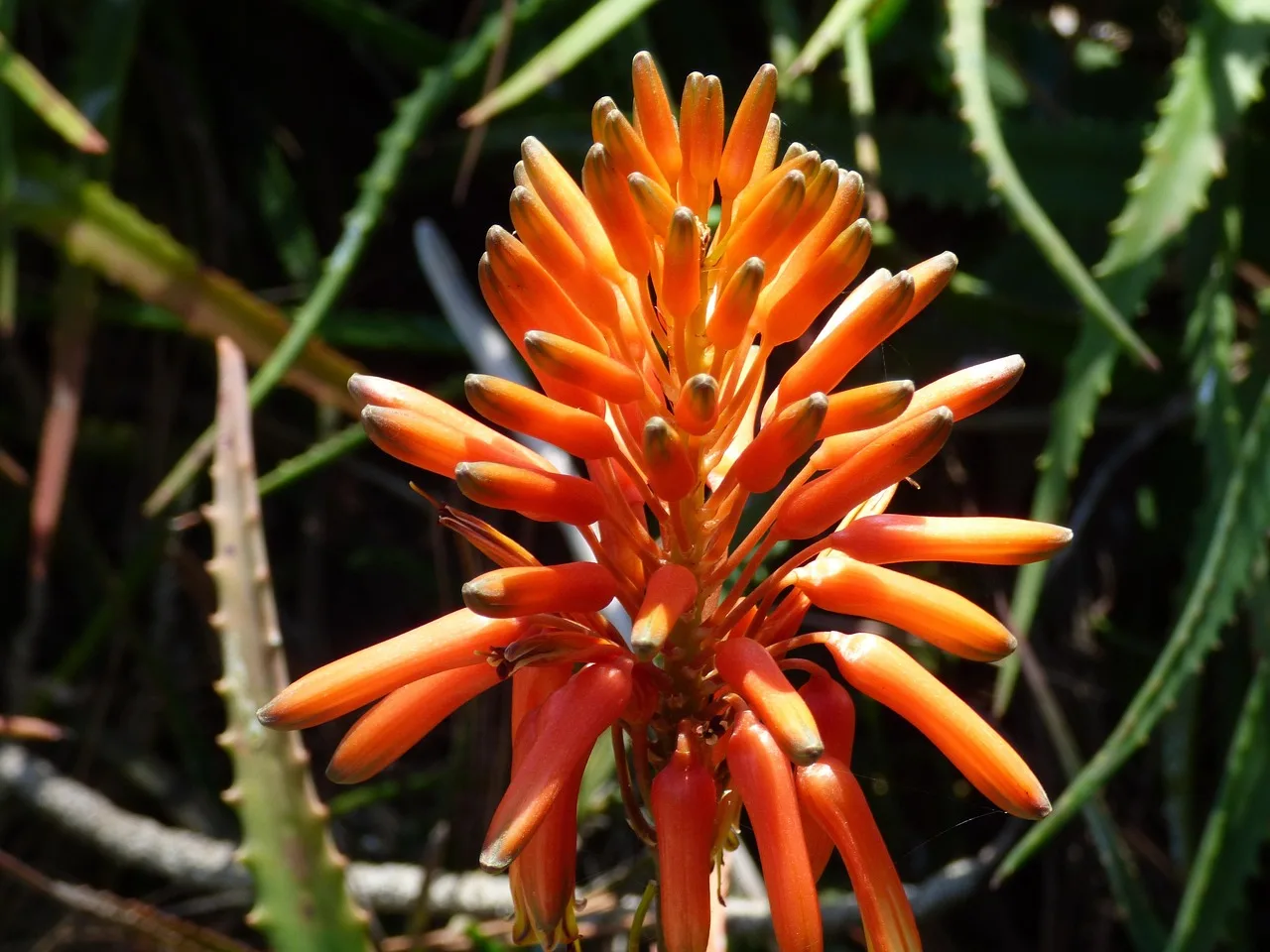
Coastal Southern California opens the earliest window of the three regions. Camellias, aloes and early magnolias run from January into March. San Francisco trails San Diego by about two weeks.
Named stops: San Diego Botanic Garden in Encinitas, the Huntington in San Marino, San Francisco Botanical Garden and Filoli in Woodside.
Oregon garden cities: later bloom, longer sequence
West of the Cascades, Portland, Salem and Eugene cluster in Zones 8b to 9a under maritime air. Bend and central Oregon fall to Zones 6 and 7.
Portland's cherry and plum blossom usually arrives in late March and April, weeks after San Diego. Cool air holds flowers on the tree, so one specimen can stay open two weeks rather than five days.
Named stops: Portland Japanese Garden, Lan Su Chinese Garden, Crystal Springs Rhododendron Garden and the Oregon Garden in Silverton. Bend is a summer trip, with color usually in May or later.
Book late April to mid May for the Willamette Valley, and how a 2027 garden itinerary gets built shows how to chain cities by zone.
North Carolina garden cities: coast to mountains
North Carolina holds the widest zone spread of the three states. Wilmington and the Outer Banks run Zones 8b to 9a, while Charlotte and Raleigh sit near 7b to 8a. Asheville falls to 6a to 7a.
Bloom travels up the state. Coastal azaleas and dogwoods come in March, the Piedmont in late March and April, the mountains in late April and May.
Named stops: the Elizabethan Gardens in Manteo, Sarah P. Duke Gardens in Durham, the JC Raulston Arboretum in Raleigh and the Biltmore gardens in Asheville.
Comparing bloom windows across the three regions
Treat these as typical ranges, not guarantees. Frost moves them by two to three weeks.
Comparing bloom windows
Zone band
- San Diego, CA
- 10a to 10b
- San Francisco, CA
- 9b to 10a
- Portland, OR
- 8b to 9a
- Bend, OR
- 6a to 7a
- Wilmington, NC
- 8b to 9a
- Raleigh, NC
- 7b to 8a
- Asheville, NC
- 6b to 7a
Typical spring window
- San Diego, CA
- January to March
- San Francisco, CA
- February to April
- Portland, OR
- Late March to May
- Bend, OR
- May to June
- Wilmington, NC
- March to April
- Raleigh, NC
- Late March to April
- Asheville, NC
- Late April to May
Character
- San Diego, CA
- Earliest, fast finish
- San Francisco, CA
- Early and steady
- Portland, OR
- Later, long sequence
- Bend, OR
- Short, summer-leaning
- Wilmington, NC
- Early coastal
- Raleigh, NC
- Classic Piedmont spring
- Asheville, NC
- Latest, mountain
[figure 5]
Bloom Windows by Garden City
San Diego
- Zone band
- 10a-10b
- Bloom window
- Jan-Mar
- Mid-April status
- Past peak
Portland
- Zone band
- 8b-9a
- Bloom window
- Late Mar-May
- Mid-April status
- Near peak
Raleigh
- Zone band
- 7b-8a
- Bloom window
- Late Mar-Apr
- Mid-April status
- Near peak
Asheville
- Zone band
- 6b-7a
- Bloom window
- Late Apr-May
- Mid-April status
- Just starting
If two rows sit close to your travel week, which public garden destinations repay a long trip settles which city deserves the longer stay.
Example: matching one travel week to a city
Suppose your week is mid April. San Diego is past peak and into late spring color. Portland sits near peak, Raleigh is near peak or just past, and Asheville is only starting.
For fresh blossom, Portland or Asheville beat San Diego. Suppose your week is early March instead, when only coastal California and coastal North Carolina give you a real window. Oregon is dormant and the North Carolina mountains are weeks away.
Bulbs and cherries peak first, then azaleas and rhododendrons, then peonies. A city past its cherry peak can still be excellent for azaleas two weeks later.
Choosing a garden city for a set travel week
- Confirm the zone band for every candidate city on the current USDA map, not an old guide.
- Check the NOAA climate outlook and local frost dates for your season.
- Pick the plants you want, since cherries, azaleas, rhododendrons and peonies peak in that order.
- Name a backup garden in a warmer or cooler band within an hour of the first.
- Confirm opening days and step-free routes before booking.
A five-step method for building a multi-garden itinerary keeps a plan B when a cold night resets the sequence.
How the 2023 zone update moved these windows
The 2023 USDA revision reflects warmer average extreme minimum temperatures in many areas, often by about half a zone. Half a zone can mean one to two weeks earlier spring activity for early bloomers.
California's coast moved earlier and Oregon's window now opens sooner, while mountain timing barely changed. A warmer average does not remove frost, and one late freeze can still blacken an early magnolia.