Guides
Botanical garden vs arboretum: which is better for a day trip?
A botanical garden vs arboretum day trip comes down to cover, walking distance and timing. Here is how to pick the right type for your next day.
What to take away
- Arboretums lead with trees and trails; botanical gardens lead with display beds and glasshouses.
- Pick the arboretum for distance, quiet and a weeks-long autumn window. Pick the botanical garden for density and cover from rain.
- Both types are timing bets, so your date matters more than the label on the gate.
- Check acreage against your available hours before you commit to a site.
What actually differs in the two models
An arboretum is built around woody plants. Trees and shrubs are the collection, labeled and mapped, usually along paths and drives that spread across a large parcel. A botanical garden is a broader institution: documented collections plus display beds, seasonal plantings and often glasshouses.
The Wikipedia entry on arboreta treats the tree collection as the defining feature. The botanical garden overview folds research, conservation and public display into a single definition. Many American sites blur the line, so a garden with a serious tree collection can sit a short drive from an arboretum with a rose display.
The criteria matrix
A day trip turns on measurable things: how far you walk, what is in bloom or leaf, how much cover exists when rain arrives, and how long the site takes to cross.
Arboretum vs Botanical Garden
Arboretum
- Core collection
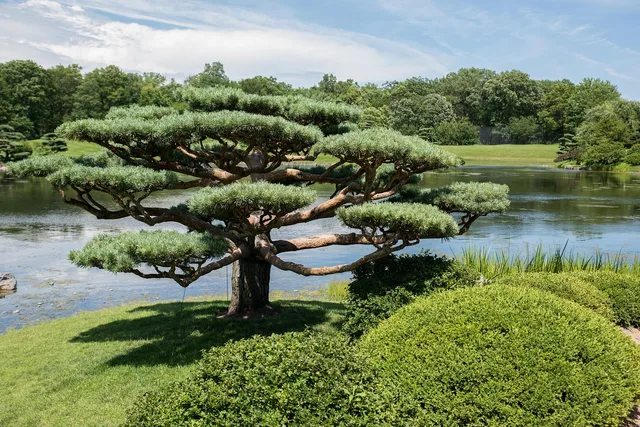
- Trees and shrubs
- Typical layout
- Paths over open ground
- Weather cover
- Limited, visitor center
- Time to cover
- Three hours to full day
- Peak window
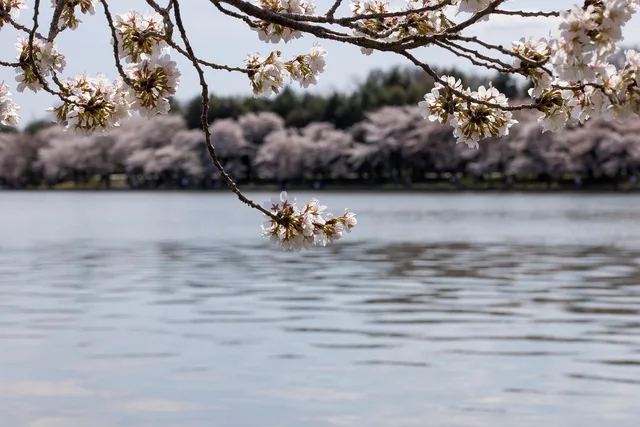
- Spring blossom, autumn color
- Best with
- Walkers, photographers
- Main draw
- Scale and quiet
Botanical garden
- Core collection
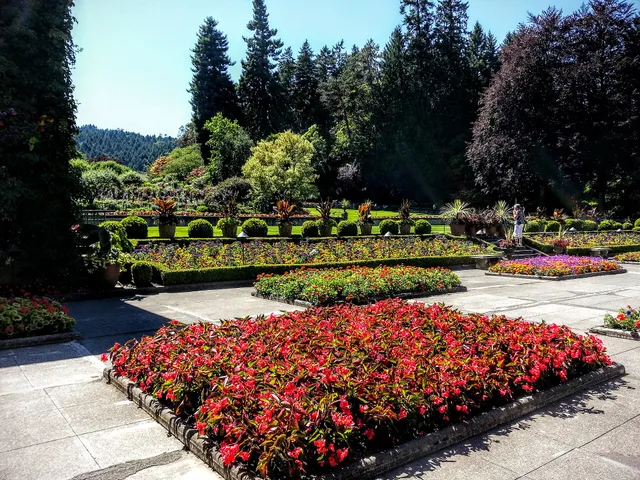
- Mixed collections, display beds
- Typical layout
- Compact beds, short walks
- Weather cover
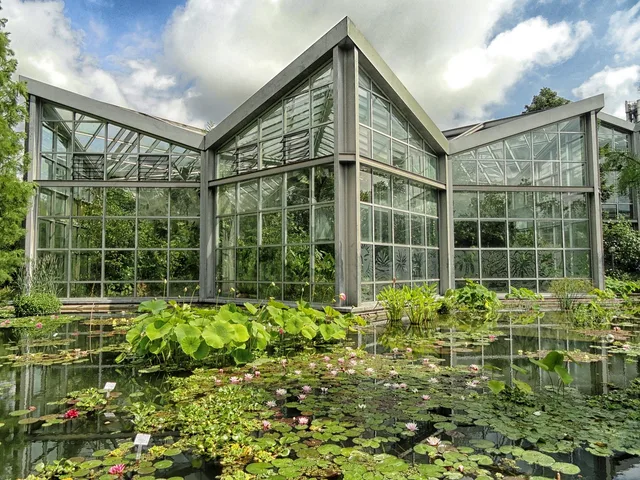
- Conservatory or glasshouse
- Time to cover
- Two to five hours
- Peak window
- Successive plantings, rolling season
- Best with
- Mixed ages, short windows
- Main draw
- Variety and density
Arboretum
- Core collection
- Trees and shrubs, labeled across a large parcel
- Typical layout
- Paths, drives and trails over open ground
- Weather cover
- Limited, usually a visitor center
- Time to cover
- Three hours to a full day
- Peak window
- Spring blossom and autumn color, weeks long
- Best with
- Walkers, photographers, repeat visitors
- Main draw
- Scale and quiet
Botanical garden
- Core collection
- Mixed collections, display beds and themed rooms
- Typical layout
- Compact beds and buildings linked by short walks
- Weather cover
- Often a conservatory or glasshouse
- Time to cover
- Two to five hours
- Peak window
- Successive plantings, a rolling season
- Best with
- Mixed ages, short windows, uncertain weather
- Main draw
- Variety and density
Read down the two middle columns rather than across the rows. Cover and time decide most trips; the name on the gate decides very little. If you are still unsure what you are choosing between, our rundown of types of public garden destination sorts the categories by what each one rewards.
Where each one is the right answer
Choose the arboretum when you want distance from the car park and a walk that lasts. Autumn color is the strongest argument: a tree collection delivers weeks of change rather than one weekend. The Morton Arboretum profile shows the scale behind that, with roughly 1,700 acres of collections and trails west of Chicago.
Choose the botanical garden when your window is short, your group is mixed, or rain is likely. Display beds and indoor rooms give you something to see in almost any weather, and the walks between them are shorter. The Chicago Botanic Garden fits that model, with about 385 acres arranged as named gardens and the heaviest plantings near the entrances.
Pennsylvania shows both patterns within an easy drive. Morris Arboretum in Philadelphia is a tree-first property, while Longwood Gardens in Kennett Square is the display-first counterweight. Stacking two sites like these takes planning, and the building a multi-garden itinerary method covers how to keep the second stop from collapsing.
What they all share
Neither type can promise that your chosen date is the right date. Plants control the calendar, and peak bloom moves by a week or more between years. Both also pull visitors into the same narrow weekend window, and both hold less indoor shelter than their acreage suggests.
The name on the gate does not control the weather. Treat any single-day plan as a bet you can hedge.
That shared limit is the one that matters. A wet Saturday in April is a poor day at either type unless the site has glass over something worth seeing. Any garden-trip checklist should treat path surfaces, shuttles and rest points as unknowns until you confirm them, because both types vary widely.
How to choose between the close calls
When two sites look evenly matched, run this sequence before you commit.
How to choose between close calls
- Check what is flowering this week
- Match acreage to hours
- Look for conservatory or greenhouse
- Count labeled collections you care about
Timing shifts by year, and our best seasons to plan note explains how far ahead the calendar can be trusted. A festival weekend needs more lead time than a weekday in the same month.