Guides
Part of How to plan botanical garden travel around a collection
Packing for a glasshouse-heavy botanical garden trip, condensation included
A packing list for botanical garden travel: dressing for humid plant houses, protecting a camera from condensation, and respecting collection rules.
Packing for a botanical garden is not packing for a park. You will move between a heated tropical room, a dry desert house and an outdoor bed, sometimes within twenty minutes.
That kit differs from ordinary sightseeing kit. Here is the short list that matters, plus what people bring and regret.
What to take away
- Layers you can shed one at a time beat a single warm coat, because plant houses hold very different climates.
- Camera lenses fog on entering a humid room, so give glass time to adjust before you shoot.
- Bags and tripods are the usual cause of friction with staff, so check the rules first.
- Bring nothing you would be tempted to use for collecting plant material.
Dress for four climates in one building
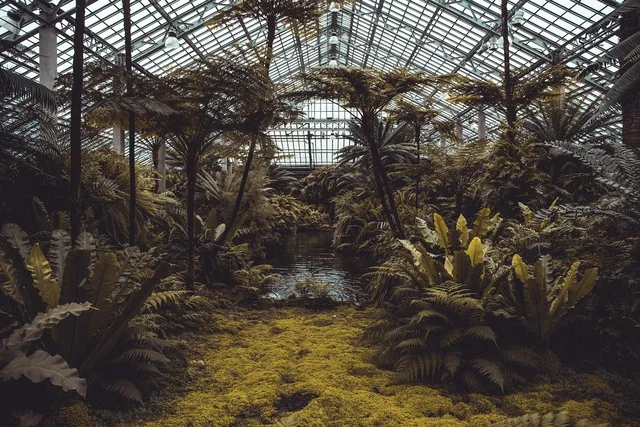
A glasshouse is a set of controlled environments under one roof. Walking from a desert house into a tropical room can mean a jump in both temperature and humidity within a few paces. Thin layers work; a heavy coat does not, because there is rarely anywhere sensible to put it down.
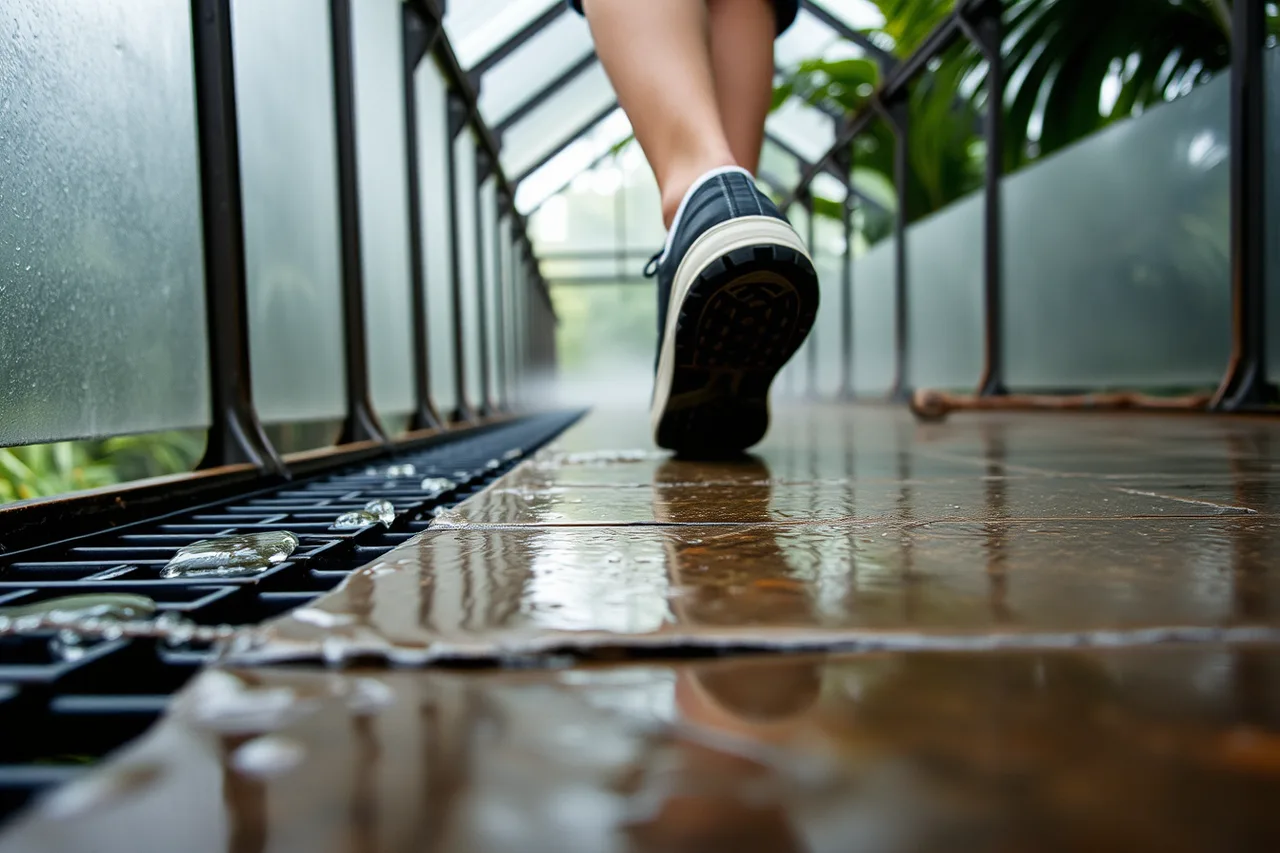
Shoes matter more than most visitors expect. Paths inside plant houses often combine wood bridges, metal grating and stone, and misting systems leave water on the surface, so a sole with real grip is worth more than a stylish one. Our field guide to planning this kind of trip covers how those rooms are usually laid out.
Camera kit, and the condensation problem
Cold glass entering a warm humid room fogs immediately, inside and out, so the fix is time, not a cloth: let the camera warm up in the bag before you open it. Keep the kit small.
Many gardens restrict bulky accessory equipment, external flash, and tripods, and a permit may be required even where a tripod is technically allowed. A phone and one prime lens beat a bag you cannot set down safely.
Pack for the rules, not just the weather
Living collections carry rules that surprise first-time visitors. The United States Botanic Garden etiquette is a fair model: stay on paths, do not damage plants, do not collect seeds, do not pick fruit, leaves or flowers.
Keep strollers and personal property with you. Walk bicycles and scooters instead of riding them. Leave pets outside the Conservatory, though trained service dogs are welcome throughout.
None of that requires special gear. It does mean leaving secateurs, seed envelopes and collecting tins at home.
The same restraint applies to wildlife you meet in the outdoor sections. Federal guidance on leaving wild animals alone makes the point that young animals are usually not orphaned even when no parent is visible, and that handling them can be both illegal and dangerous. Feeding is worse than useless.
The list itself
- Two or three thin layers, plus a packable rain shell.
- Shoes with grip, since wet stone and metal grating are common underfoot.
- A small water bottle, because cafes inside gardens are often seasonal.
- Sun protection for the outdoor sections, which are usually unshaded at midday.
- A printed or downloaded map, since signal is poor inside glass structures.
- A notebook, which is far more useful in a collection than another photograph.
What to leave behind
Drones, plant-collecting tools, large tripods, hard-sided cases and anything you would need to leave unattended. If you are combining the garden with a longer route, our two-day itinerary shows where a day bag is enough and where it is not.