Guides
Part of How to plan botanical garden travel around a collection
A two-day botanical garden travel itinerary template
Use this two-day botanical garden travel itinerary template to plan indoor collections, outdoor gardens, and a flexible weather buffer.
Two days is the useful unit for garden travel. One day is not enough to absorb a large collection and leaves no room for rain. Three starts to require a second destination. Use this botanical garden travel itinerary as a flexible shape, not a schedule to follow; it deliberately leaves one half day unplanned.
What to take away
- Put the indoor collection on day one, so bad weather cannot cost you the whole trip.
- Keep the second afternoon free as a deliberate buffer, not as a gap to fill later.
- Outdoor gardens and indoor houses usually keep different hours, so check both.
- A nearby public garden, arboretum, refuge, or other outdoor site can make the buffer useful.
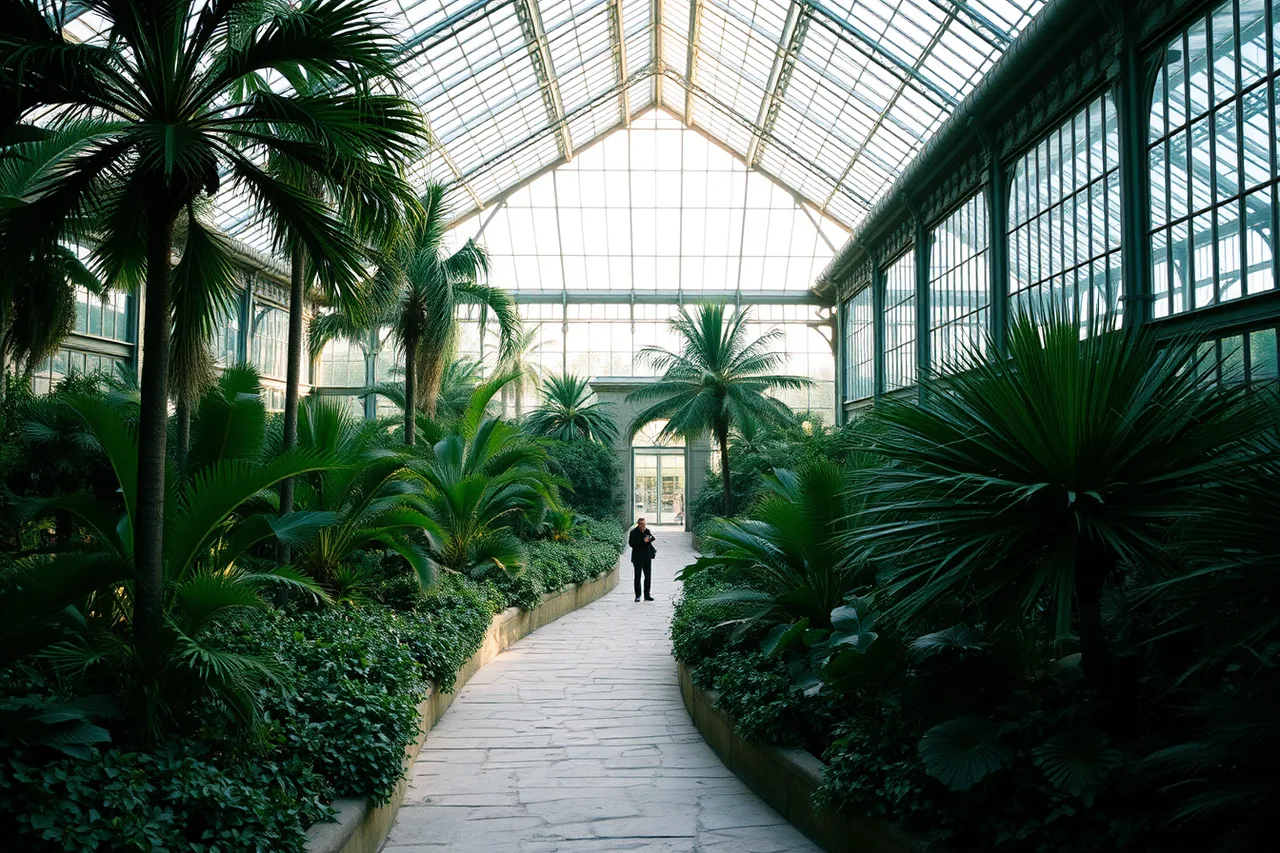
Day one, morning: the indoor collection
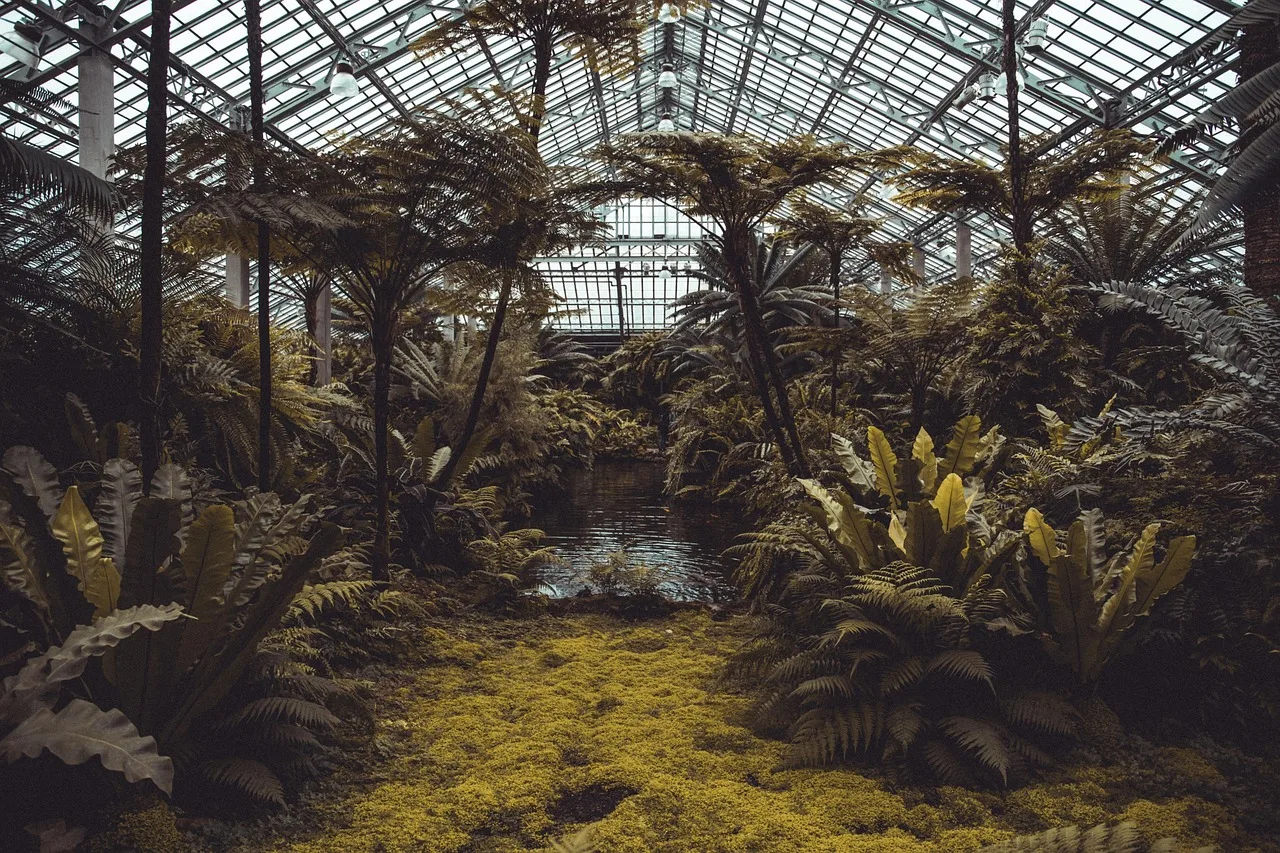
Arrive at opening. Plant houses are quietest in the first hour, which matters because the paths are narrow and photography is slow work. Walk the whole structure once without stopping, then go back to the two or three rooms you actually want. That order is worth more than any tour.
Day one, afternoon: the outdoor gardens
For a Washington, DC example, the two-acre Bartholdi Fountain and Gardens shows what an outdoor section can offer.
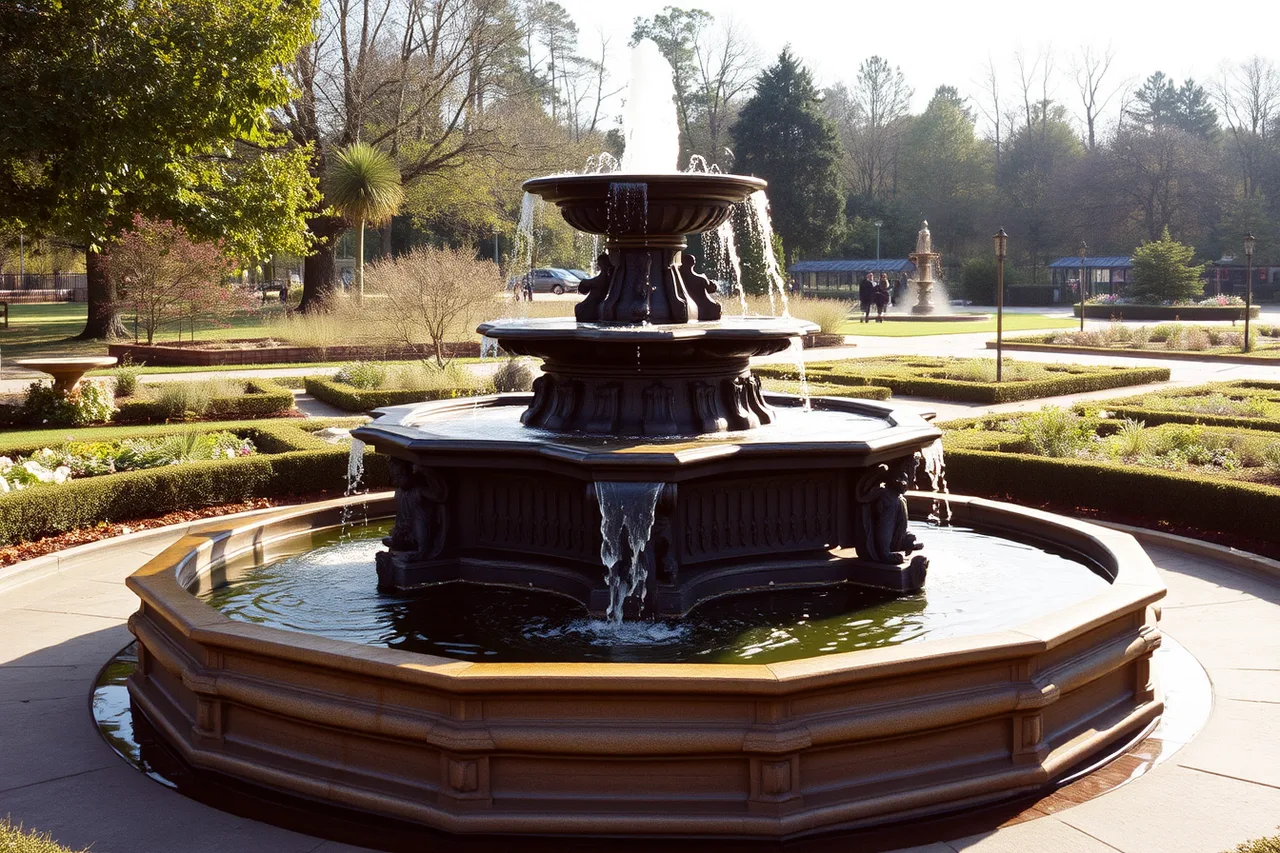
It has been part of the United States Botanic Garden campus since 1932. It demonstrates rain gardens, reuse of on-site materials, native plants and locally sourced furniture.
It also holds an 1876 cast-iron fountain by Frederic Auguste Bartholdi that weighs more than fifteen tons and stands thirty feet tall, lit around its basin at night. A kitchen garden shows food growing in a small urban space.
That is the kind of section a hurried visitor skips. It is usually where the practical ideas are.
Day one, evening
Eat near your accommodation rather than near the garden. Garden districts empty out after closing, and the walk back from a late meal is longer than it looks on a map.
Day two, morning: the thing you missed
Go back. Every large collection has a room you passed too quickly, and a second visit costs almost nothing where entry is free. If the site sells a supplement for a special exhibit, day two is when to buy it, because you now know whether it is worth the money.
Day two, afternoon: the deliberate buffer
Hold this open. Use it for a room you still have not seen, a talk that appears on the calendar, or a second site nearby.
For a nature-focused alternative, the U.S. Fish and Wildlife Service's listings of activities on refuges include accessible trails, auto tour routes, birding, hiking and photography, as well as picnicking and ranger-led programs. Check the specific site for access, hours and any reservation requirements before you go.
The shape in brief
| Slot | Purpose |
|---|---|
| Day one morning | Indoor collection, at opening |
| Day one afternoon | Outdoor gardens and any late-closing sections |
| Day two morning | Return to what you rushed |
| Day two afternoon | Held open for weather, talks or a second site |
For a separate guide to planning costs, see the cost breakdown, covering transport, stays and tickets.