Guides
How to plan a US garden festival trip around peak bloom dates
US garden festival peak bloom dates move with the plant, not the calendar. Use hardiness zones, seasonal closures and booking lead times to time the trip.
What to take away
- Peak bloom is a forecast, not a date. Start with your USDA hardiness zone and the plant the festival is built around.
- Spring brings the largest crowds and the least predictable blooms. Treat advertised festival dates as a starting point, not a peak-bloom guarantee.
- Summer festivals bloom on a steadier schedule, but hours shift to early morning because of heat.
- Winter is the season of closures. Northern outdoor grounds stop after the first hard freeze.
- Book lodging four to six months out for cherry blossom week, and two to three months out for other festivals.
The short answer on peak bloom timing
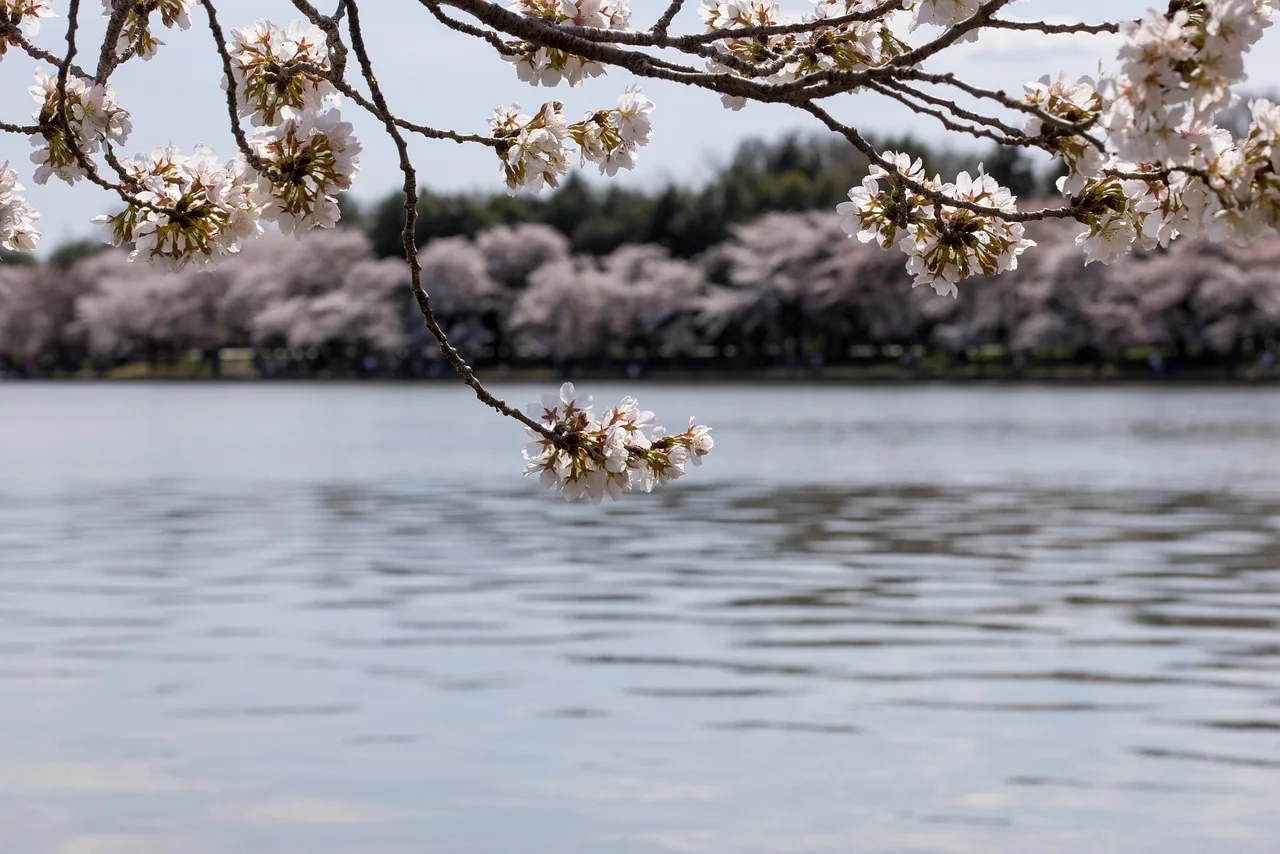
The National Park Service defines peak bloom in Washington, D.C., as the day when 70 percent of the Yoshino cherry blossoms around the Tidal Basin are open. Its stages are Green Bud, Florets Visible, Extension of Florets, Peduncle Elongation, Puffy White, Peak Bloom, and Petal Fall. The NPS cherry blossom forecast and Bloom Watch gives a forecast window rather than a fixed annual date.
Named examples make the timing easier to apply: the National Cherry Blossom Festival in Washington, D.C., centers on blossoms around the Tidal Basin, while the Skagit Valley Tulip Festival takes place near Mount Vernon, Washington. Advertised event dates are not bloom guarantees. A flexible garden-trip itinerary should leave room to adjust your visit when the forecast changes.
What changes by season
The four seasons create four different planning problems. This table covers what shifts for a visitor, not only what blooms.
Season-by-season planning shifts
Spring
- Leads calendar
- Cherry, tulip, bluebonnet
- Visitor change
- Blooms shift 2-3 weeks
- Closures
- Late frost, storms
Summer
- Leads calendar
- Rose, lavender, hydrangea
- Visitor change
- Dawn start, midday quiet
- Closures
- Heat closures
Autumn
- Leads calendar
- Mum, dahlia, foliage
- Visitor change
- Cooler, thinner bookings
- Closures
- Early freeze
Winter
- Leads calendar
- Lights, orchid, camellia
- Visitor change
- Visit moves indoors
- Closures
- Hard freeze, indoor-only
| Season | What leads the calendar | What changes for a visitor | Closures to expect |
|---|---|---|---|
| Spring | Cherry, tulip, bluebonnet, azalea, dogwood | Blooms shift by two to three weeks year to year, and lodging hits its yearly peak | Late frost strips magnolia and cherry displays; storms shut festival grounds |
| Summer | Rose, lavender, lily, hydrangea, daylily | Gates open at first light and quiet by midday | Heat closures across Texas, Arizona and Florida, usually tied to a set temperature |
| Autumn | Chrysanthemum, dahlia, harvest, foliage | Cooler air, longer comfortable hours, thinner bookings | An early freeze ends dahlias and tender displays with no notice |
| Winter | Lights, orchid, camellia, conservatory shows | Outdoor collections go dormant and the visit moves indoors | Northern outdoor grounds close after the first hard freeze; indoor-only tickets in January and February |
The pattern is short: spring moves, summer heats, autumn compresses, winter closes. Planning more than a year out? The garden itinerary planning guide can help you think about which sites stay open late in the season; check each site's hours again when you choose dates.
The season most people pick
Spring is the default answer for garden travel in the United States, and it is a less obvious choice than it looks. For the National Cherry Blossom Festival, the festival dates and the bloom forecast are separate: peak bloom can land about a week either side of the event dates.
A weekday in the second half of a festival's advertised run can help you avoid the headliner-weekend rush, but it is not a bloom guarantee. You may miss the headliner weekend, and an early bloom leaves you less margin.
Pick the public garden destination before you pick the date. A garden with many collections absorbs a missed species far better than a single-plant festival can.
Weather that closes things
Storms close festival grounds regardless of bloom stage. Lightning, high wind and standing water shut outdoor events on the day, and organizers rarely refund for weather alone.
The Atlantic hurricane season runs from June 1 to November 30, which puts Florida and Gulf Coast garden trips at risk in early autumn. Late spring frost in the Midwest and Northeast can strip magnolia and cherry displays in a single night.
Heat is the summer version of the same problem. Festivals in Texas, Arizona and southern California often open at dawn and wind down by early afternoon in July and August.
Booking lead times by season
- Four to six months aheadthe National Cherry Blossom Festival in Washington, D.C., and any festival tied to a single weekend.
- Two to three months aheadthe Skagit Valley Tulip Festival, other spring tulip and wildflower festivals, and autumn foliage weekends in New England.
- Six to eight weeks aheadsummer rose, lavender and lily festivals, where capacity is larger.
- Two to three weeks aheadwinter light shows and conservatory exhibitions.
Build in flexibility so a washed-out day does not become a ticket problem. Check cancellation terms before paying, choose refundable lodging where possible, and leave a spare day if your schedule allows.
Booking lead times by season
- 4-6 monthsCherry blossom week, single-weekend festivals
- 2-3 monthsSpring tulip, wildflower, New England foliage
- 6-8 weeksSummer rose, lavender, lily festivals
- 2-3 weeksWinter light shows, conservatory exhibitions
Example: a bluebonnet weekend in the Texas Hill Country
Bluebonnets in the Hill Country usually run late March into mid-April, and the exact week tracks winter rain. Treat that as a broad planning window, not a local forecast. In the week before departure, check Texas A&M AgriLife Extension county updates and the Texas Department of Transportation's wildflower resources for current conditions.
Fredericksburg is a named Hill Country base; check current access, traffic and bloom conditions before choosing the Willow City Loop. The Lady Bird Johnson Wildflower Center in Austin is another named public-garden stop to consider. The same shape works for a multi-garden itinerary: base first, gardens second, days last.