Features
Part of Garden Itinerary Building: How It Works
Garden itinerary building: the parts worth your attention
Alternative shapes for a garden trip: one site repeated, a themed thread across several, and days built around a program rather than a place.
Most garden itineraries are the same shape: a different site every day, arranged by driving distance. Here are structures that produce a better trip from the same number of days, and none of them costs more.
What to take away
- Repeating one site at different hours teaches more than adding a fourth garden.
- A thread through several gardens gives the trip a subject rather than a route.
- Programs can anchor a day as effectively as a place can.
- Building a day around children or around fitness levels changes the sequence entirely.
The single-site week
Pick one large garden and go daily at a different hour: opening, midday, late afternoon, and evening if offered. You will see four different places, especially where glasshouses and outdoor sections react to weather and light in opposite ways.
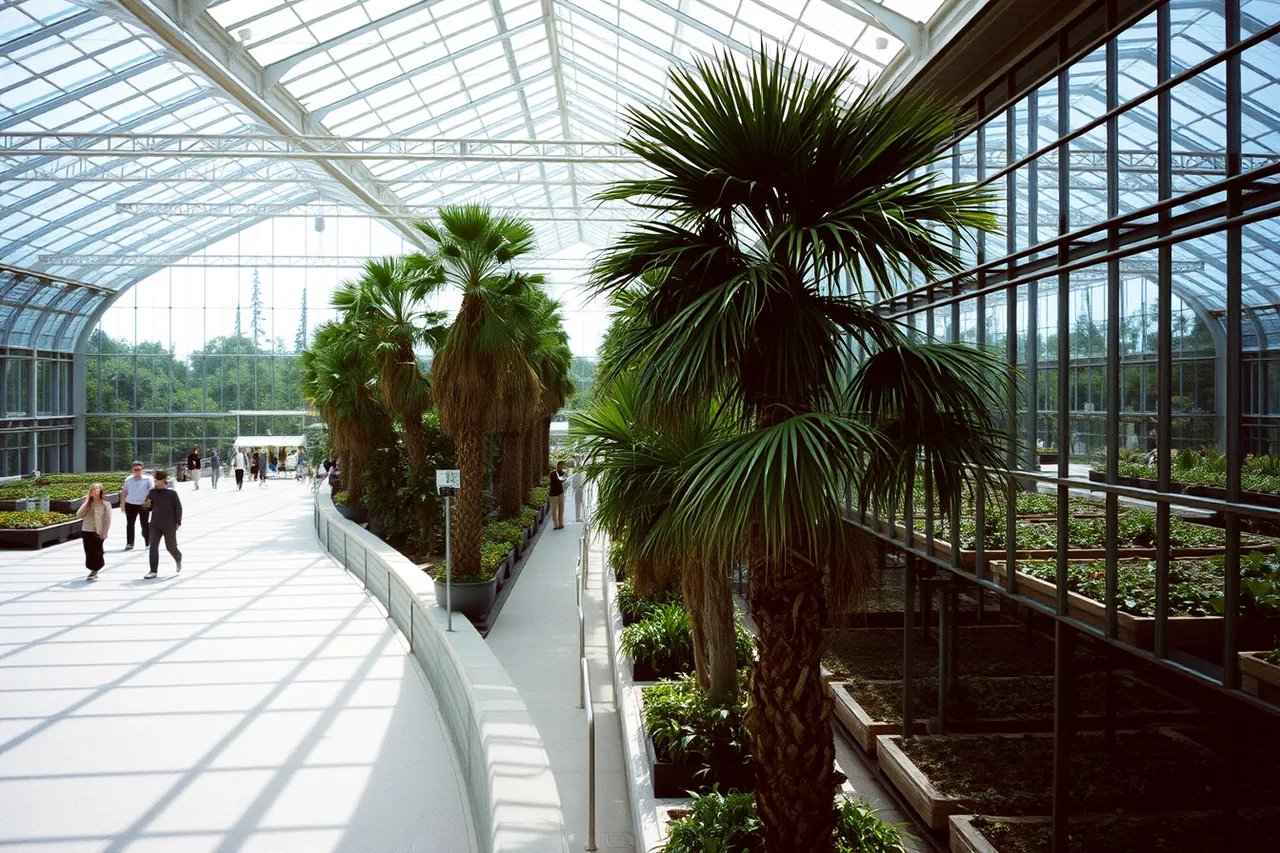
A two-day botanical garden itinerary that puts the glasshouse first shows how to split the same hours across two days.
The themed thread
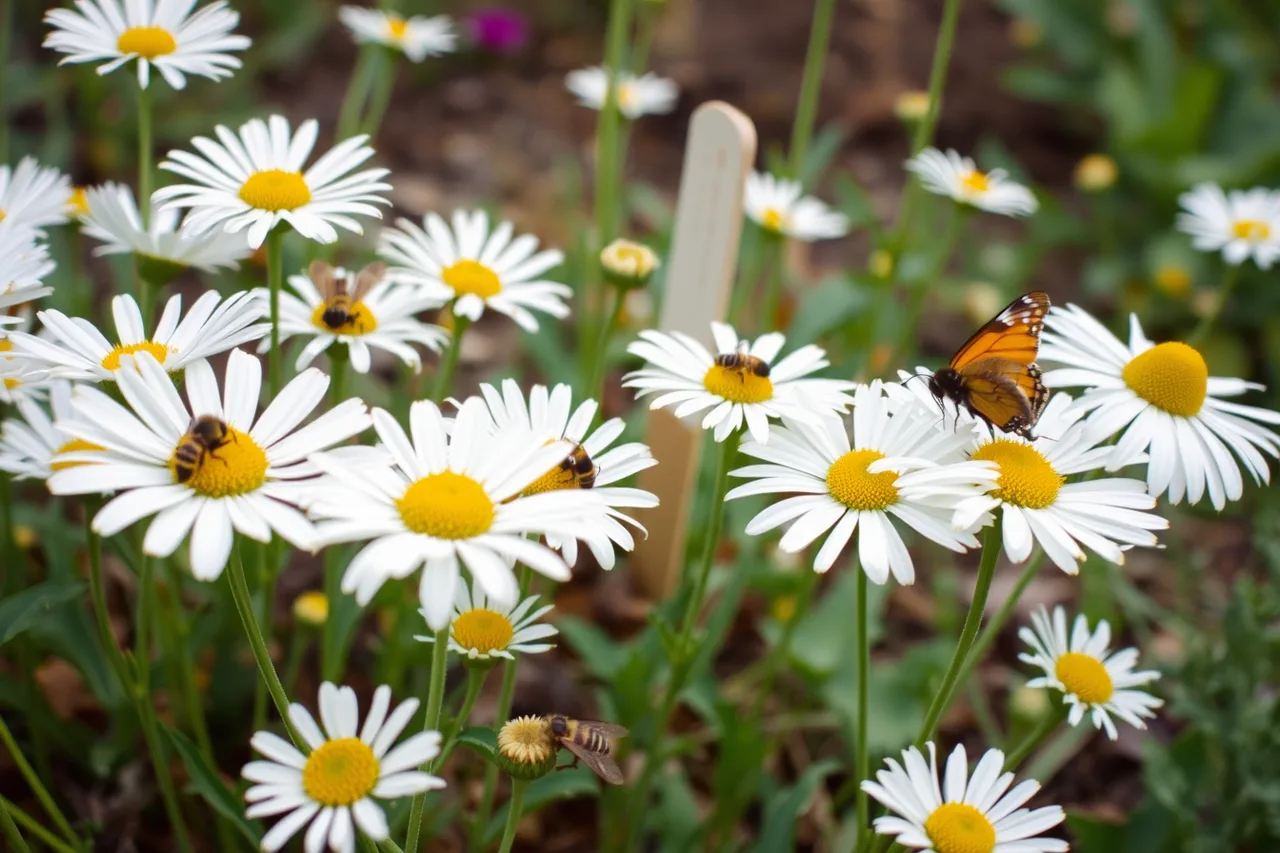
Choose a subject and follow it across three or four sites: pollinators, edible plants, one plant family, or a designer's work. The thread turns unrelated visits into an argument. It also gives you a reason to talk to staff, who respond far better to a specific question than to a general one.
Program-led days
A day can be built around what is happening, not where. Institutions publish substantial program lists, and many sessions are free. The online programs calendar at the United States Botanic Garden shows the range: cooking demonstrations using seasonal food plants, a lecture on topiary, a poetry workshop about a rose, eco-printing with flowers, and an introduction to air layering propagation.
Recurring ask-an-expert sessions cover indoor plant health, outdoor fruit trees and the late summer kitchen garden, with recordings archived afterwards.
Booked around two of those, a day acquires a shape that a purely geographic plan never has.
Days built for the group you have
Matching trips to people is the most underused idea. Sites run activity-led programs because a place alone will not hold everyone's attention.
At Santa Ana National Wildlife Refuge in south Texas, a ranger and a local youth and recreation center built a youth outdoor skills program. It taught casting, archery, and a backyard fishing exercise on mechanics, no water needed.
Take the principle rather than the activity. A day with an activity in it holds a mixed group far longer than a day of walking and looking.
Six shapes to steal
- One site, four times, at different hours.
- A themed thread across three gardens.
- Two programs and one long lunch.
- A garden in the morning, wild ground in the afternoon.
- An indoor day held in reserve for bad weather.
- A no-driving day, entirely on foot from one base.
Our guide to how a garden itinerary is assembled covers the order these fit into, and our list of destination ideas covers what to do once you are inside the gate.
Pick one of these and commit to it rather than blending several. The value comes from the constraint: a trip that is definitely about one site, or definitely about one subject, produces a clearer set of memories than a well-balanced tour that tried to do a little of everything.