Reviews
Part of Garden Itinerary Building: How It Works
Guided tour or your own garden itinerary: the tests that decide
Garden itinerary building or a guided tour? Five tests decide it: access, depth, driving, photography timing and cancelation risk, with two named examples.
The choice between buying a tour and garden itinerary building on your own is usually presented as a question of money. It is really a question of access and control. A tour buys you into places you cannot otherwise go, and it takes away your ability to stay somewhere longer. This piece sets out the tests that decide it and works them through two named examples: a free guided paddle program and a dated orchid show.
What to take away
- Buy a tour when it enters ground that is closed to independent visitors.
- Build your own when the value is time inside a single collection.
- Weather cancelation rules differ sharply between the two models.
- A dated annual show anchors a self-built itinerary as well as a packaged one.
What a tour can give you that you cannot get alone
The strongest case for a guided product is restricted access. A refuge program shows it precisely. It is a wildlife refuge rather than a garden, but the test it illustrates is the same one to apply to any garden tour. At Stone Lakes National Wildlife Refuge, a Central Valley refuge run by the U.S. Fish & Wildlife Service, the guided paddle tours of the Canoe & Kayak Wildlife Observation Program take participants into a normally closed area, with docents providing interpretation. Its spring 2023 notice listed three tours: April 29, May 21 and June 17, each from 9:00 a.m. to 12:00 p.m. The refuge states explicitly that there is no general access for self-guided paddling.
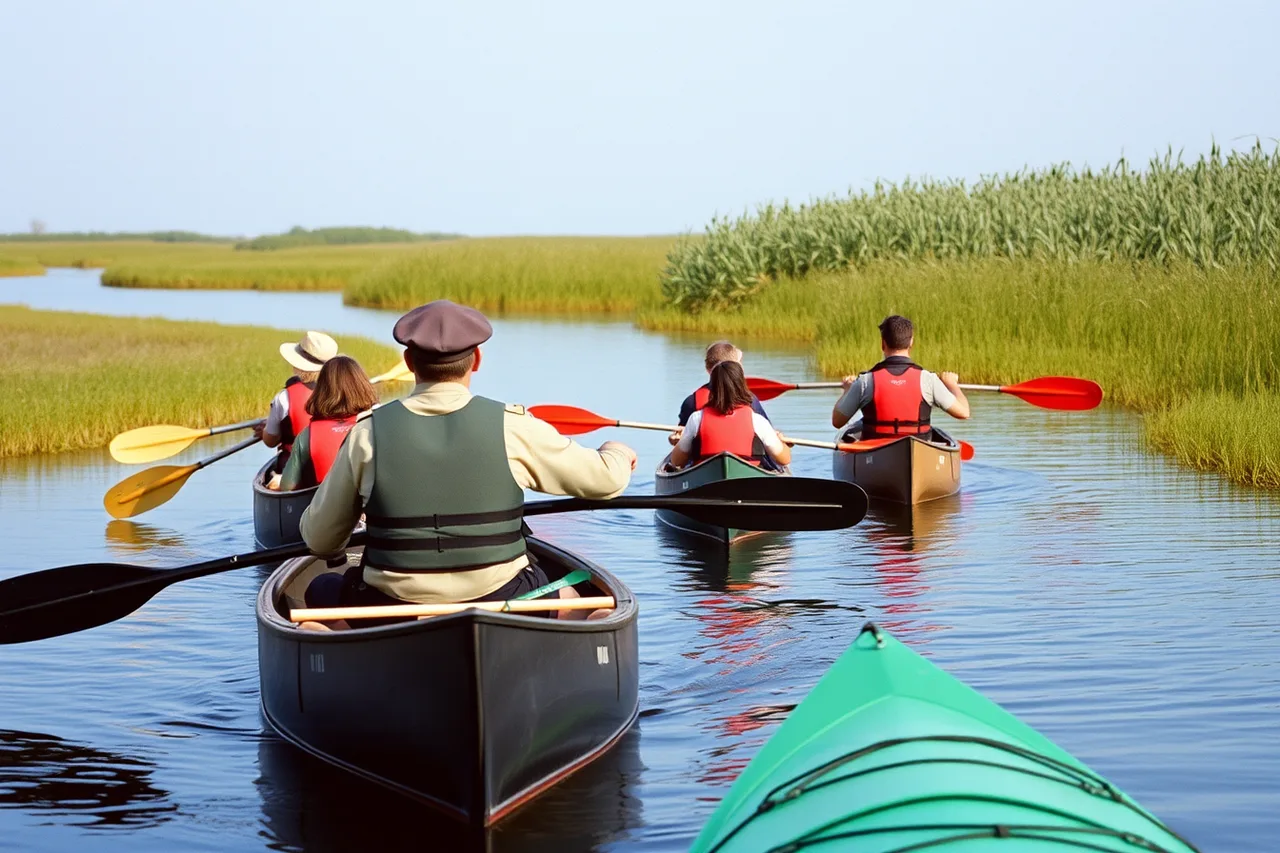
The tours are free, open to all experience levels, run on named dates with fixed morning start times, and are canceled by rain. One notice even warned that a summer tour might be canceled if water quality testing exceeded health standards.
Everything you need to compare is in that description: what you get, what you cannot do alone, when it runs, and what cancels it. Ask for the same from any commercial operator, and do not book one that cannot answer all four.
What you give up
A tour sets the pace. If a collection turns out to be the best thing on the trip, you leave anyway. If the weather is perfect for photography at seven in the morning, you are on a coach at nine. For a visitor whose purpose is depth in one place, that is a poor trade.
Anchor your own itinerary on a dated show
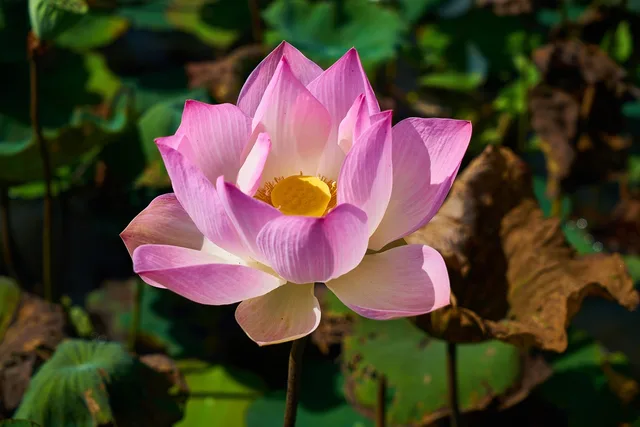
Self-built does not mean unstructured. Annual exhibitions give you the same fixed point a tour would. The annual orchid show presented by the United States Botanic Garden with Smithsonian Gardens is a case in point: a dated run drawing rarely seen plants from both collections. The 2026 edition, More than a Flower: the Connective Power of Orchids, was the 30th annual joint orchid exhibition. It ran from January 30 to April 26, 2026, on view at the National Museum of African American History and Culture, so a self-built trip had almost three months to fit it in.
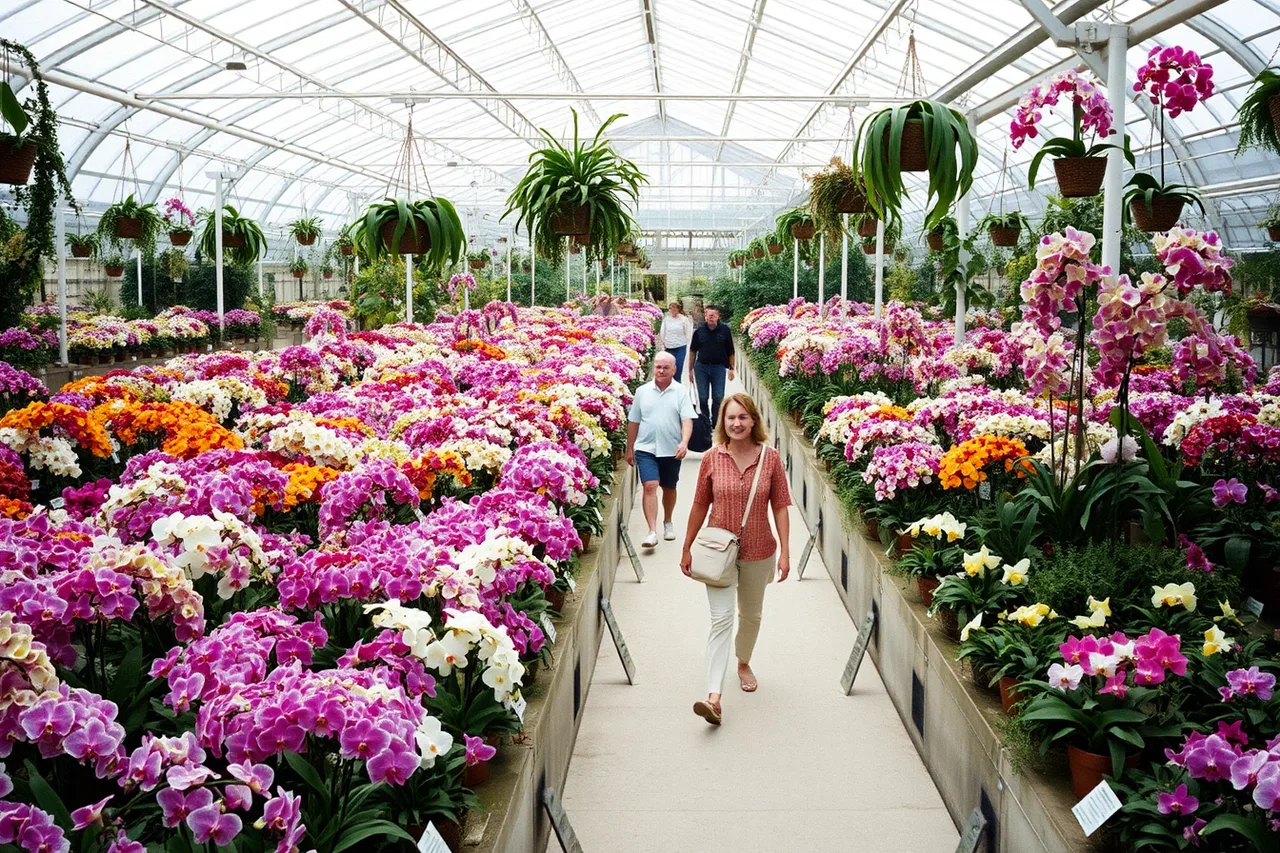
The exhibit material notes that there are approximately 30,000 orchid species, making Orchidaceae one of the two largest plant families in the world alongside the daisy family, and that orchids are notable for highly specialized pollination. For a self-guided visitor that range is the argument for unhurried time: a show of that breadth rewards a second pass more than a timed group slot.
A show like that gives an independent trip its spine, without a coach attached.
The comparison
Favors a tour
- Restricted access
- Yes
- Depth in one collection
- No
- Driving distances
- Yes
- Photography timing
- No
- Cancelation risk
- Operator carries it
Favors your own plan
- Restricted access
- No
- Depth in one collection
- Yes
- Driving distances
- Only if you enjoy driving
- Photography timing
- Yes
- Cancelation risk
- You carry it
Read against the two examples, the table is simple to apply. The Stone Lakes paddles win on restricted access, and their rain and water-quality cancelations show the risk a guided day carries. The orchid show wins on depth and photography timing, because nothing stops you staying until the light is right.
Our piece on comparing guided garden tours goes deeper into the terms individual operators use.
If you cannot decide, the deciding question is what you would regret. Regretting a tour usually means you wanted longer somewhere. Regretting a self-built plan usually means you missed something you could not have reached alone. Those are different mistakes, and most people already know which one they would mind more.