Maintenance
Part of Garden Trips Planning: Five Steps for a Better Visit
What first time garden visitors miss: free guides, short blooms and skipped sections
A first garden visit guide: the free multilingual visitor guide most people never open, the corpse flower's unpredictable bloom, and the sections walked past.
Nobody regrets a first garden visit. Plenty of people regret how they spent it. The pattern is consistent: they walked the whole site once at a steady pace, photographed what was flowering, and left without noticing the three things that would have made the day better. Here is what those usually are.
What to take away
- Free visitor guides exist, often in several languages, and most people never open one.
- The most interesting plant on site is frequently not the one in flower.
- Some events last two or three days and cannot be planned months ahead.
- The outdoor sections are where the ideas you can use at home actually are.
The guide you did not download
The digital visitor guides at the United States Botanic Garden are offered in ten languages and load on a phone at the gate. Arabic, Chinese, French, German and Italian are included. Japanese, Korean, Russian and Spanish join English.
That matters twice over: it removes the cost of a printed guidebook, and it makes a visit workable for people traveling with family members who read a different language.
Look for the equivalent before you arrive. Signal inside a glass structure is often poor, and the download is easier on the way in.
The bloom you cannot schedule
First-time visitors assume the best sights will be waiting. Some will not.
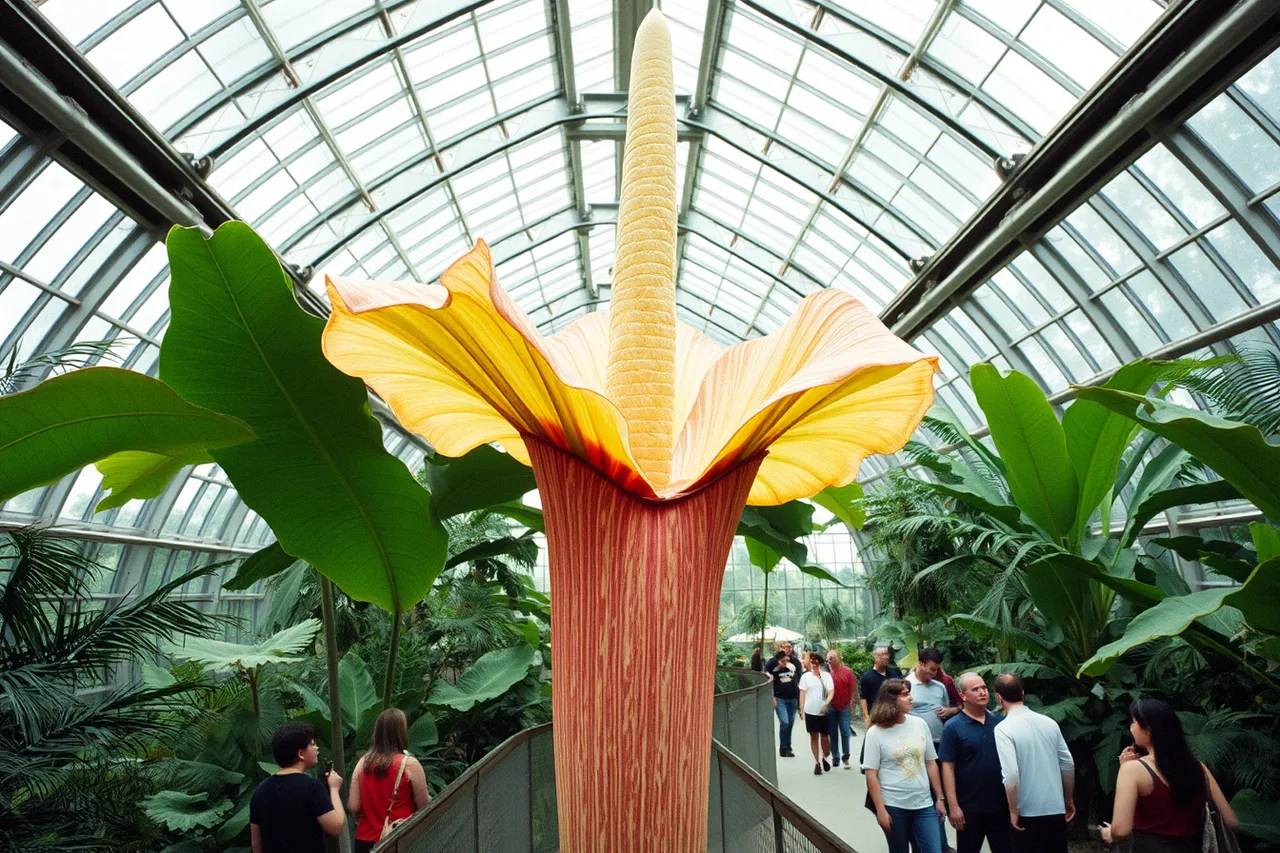
The corpse flower, Amorphophallus titanum, bears the plant kingdom's largest unbranched inflorescence, up to nine feet. It opens two to three days every two to three years.
Gardens holding several mature plants may see more than one bloom a year, announced as each approaches, not in advance.
The lesson generalizes. Anything spectacular and short lived is a matter of luck plus attention. Follow the garden's own notices and treat a hit as a bonus, not as the reason you came.
The sections people skip
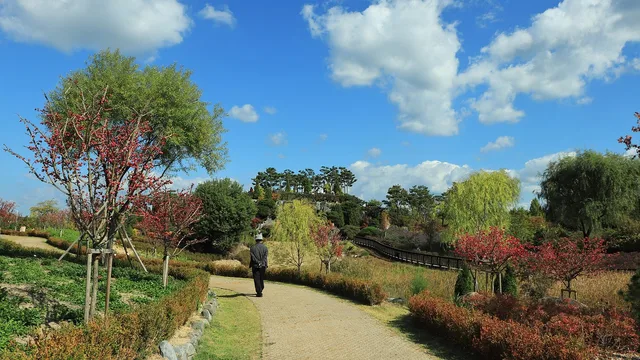
Three areas get walked past almost every time: the kitchen or production garden, the native plant beds, and whatever room is currently between displays. Those parts usually hold the most transferable ideas.
They show how the garden actually works, not how it photographs. The kitchen garden tends to be laid out at a domestic scale, making it the one section a visitor can genuinely copy at home.
The pace problem
A first visit tends to be one continuous lap. A better shape is a fast lap followed by a slow return to two or three places. That takes the same time and produces a completely different day.
Our guide to planning garden trips sets out how to build enough time into the schedule for a second pass. Where you sleep changes how late you can stay, which is covered in our piece on choosing a base for a garden trip.
Small things worth knowing in advance
- Cafes inside gardens are often seasonal and close earlier than the gates.
- Outdoor sections and indoor houses may keep different hours in the same week.
- Labels carry accession information that tells you where a plant came from.
- Staff at the entrance desk usually know what is at its best that week.