Rules
Part of How to plan botanical garden travel around a collection
USA travel: planning an accessible botanical garden visit
Plan USA travel around accessible botanical gardens: check arrival, borrowed mobility equipment, step-free access, and sensory details before you go.
Access information for gardens is rarely in the main visitor blurb. For USA travel, the separate accessibility page is where a workable plan comes from. This piece covers what to look for on it, in the order the day happens: arrival, entry, movement through the site, and the sensory conditions inside a glasshouse.
What to take away
- Ask where a paratransit vehicle or taxi is allowed to stop, not just whether parking exists.
- Many gardens lend wheelchairs at the entrance, sometimes including wider models.
- Step-free routes exist, but surfaces inside plant houses vary and can be wet.
- Sensory and hearing resources are usually listed separately from mobility resources.
Arrival is the part that fails
The accessibility page at the United States Botanic Garden is a useful example. It recommends public transit and gives paratransit drop-off guidance near the accessible paths. Check the current page or call the Garden to confirm the exact stopping location before setting out.
Arrival accessibility checklist
- Drop-off point named by street
- Paratransit pass valid up to 21 days
- Accessible metered spaces within two blocks
- No parking lot on site
- Call garden if drop-off not published
Visitors who cannot use regular transit because of a disability can apply for a visitor paratransit pass valid for up to twenty-one days. The Garden has no parking lot, but the page points to accessible metered spaces within two blocks.
Take that list as your checklist elsewhere. If a garden does not publish a drop-off point, telephone and ask for one by street name. A vague answer is itself information.
Equipment and routes on site
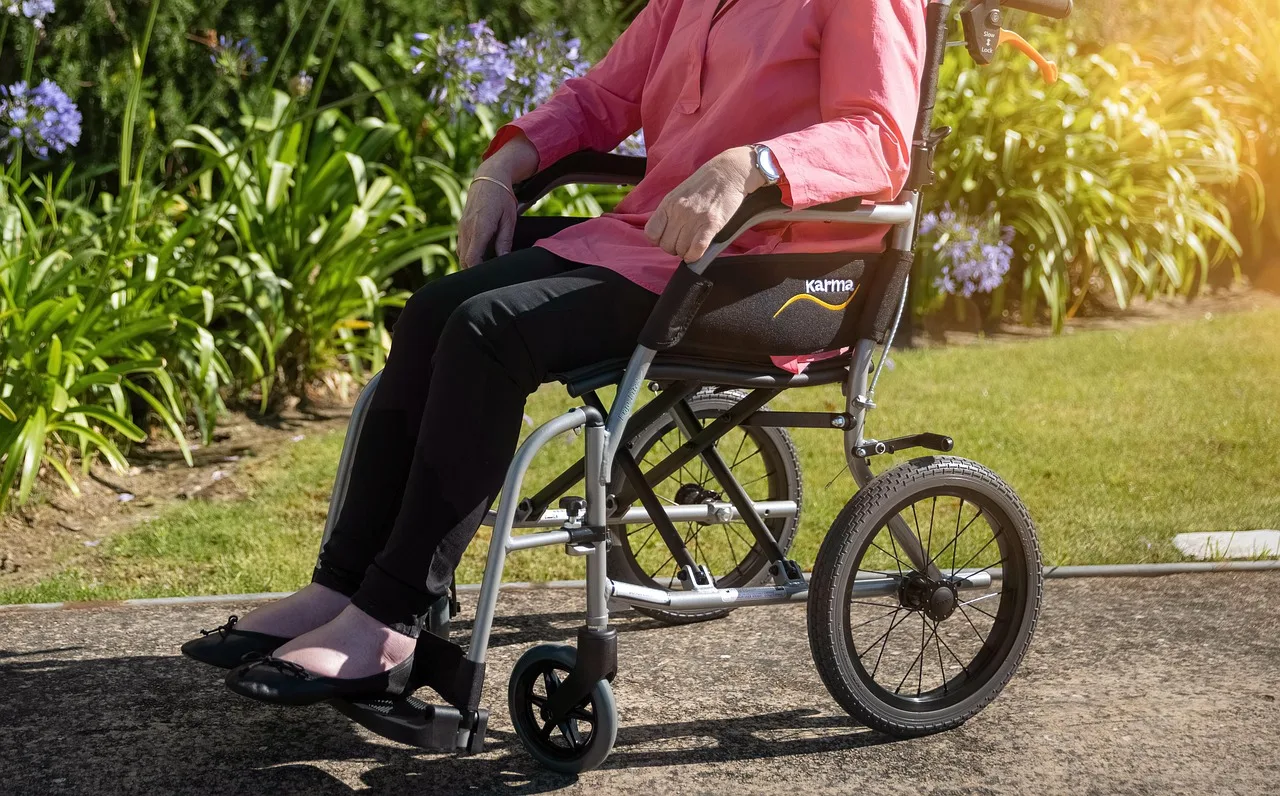
The same page explains that wheelchairs, including a wider bariatric model, are lent on a first-come basis in exchange for a photo identification card held during the loan. Step-free routes are marked through both the Conservatory and the outdoor gardens. Automatic doors connect most plant houses.
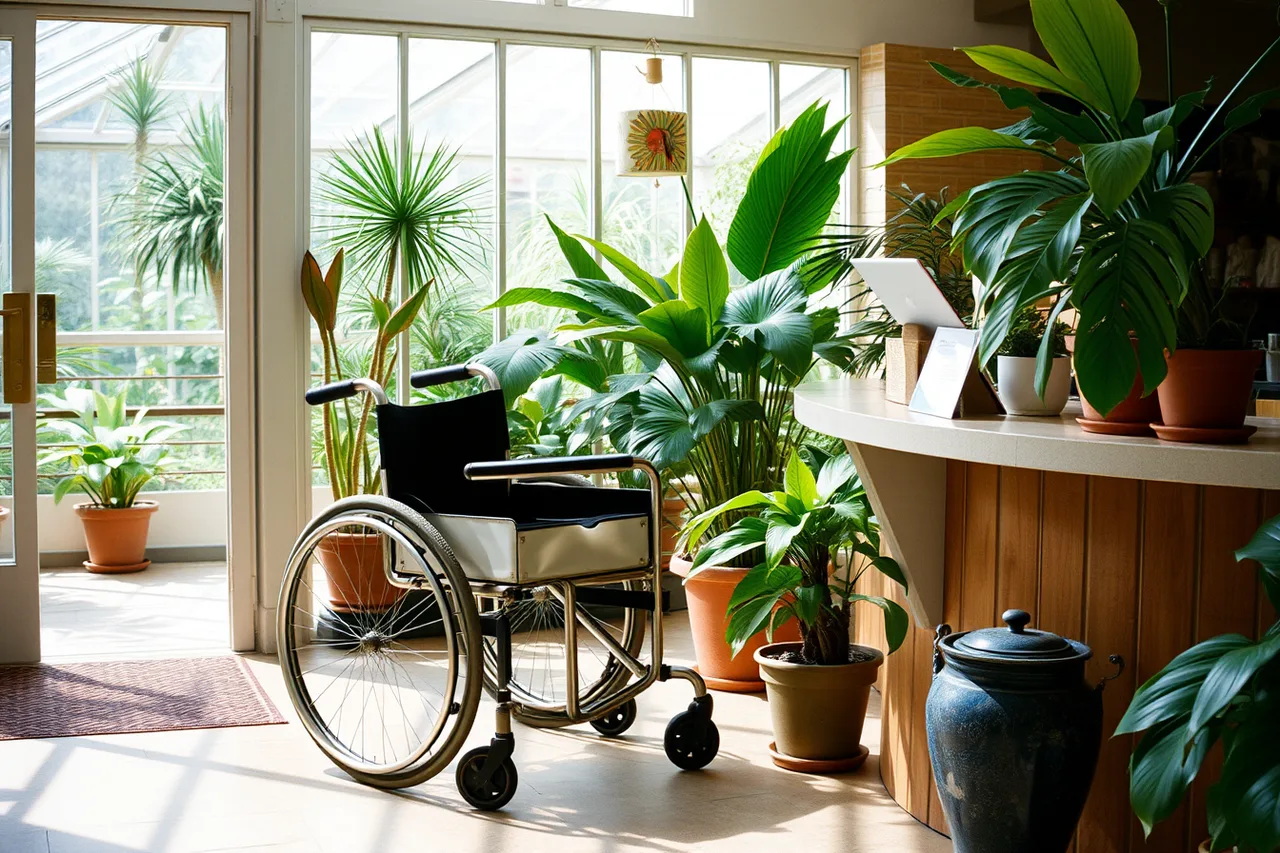
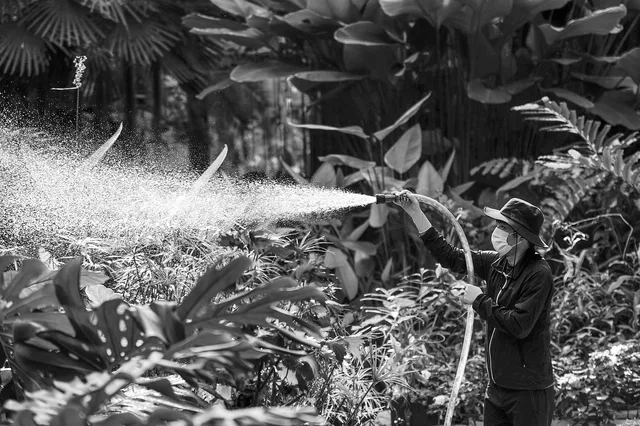
It also warns that path materials vary and that water features and automatic misters can leave puddles or slippery patches. The elevated canopy walkway is reached by a lift.
Two lessons generalize. First, borrowed equipment is normally site-only, so it will not help you between the station and the gate. Second, a garden that names its difficult surfaces is being useful; one that only says accessible is not.
Sensory, hearing and cognitive access
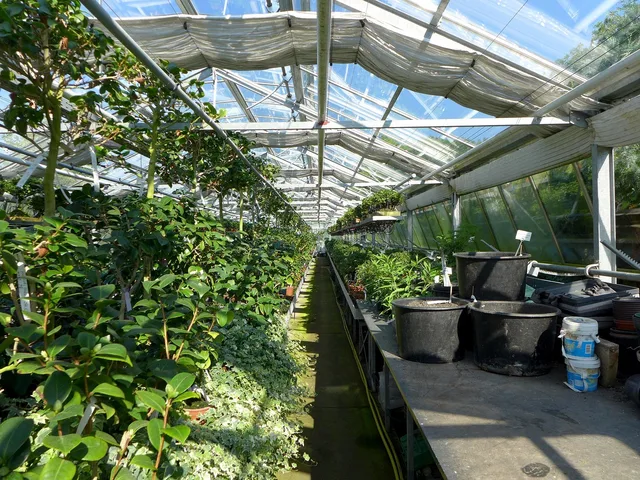
Glasshouses are humid, warm and sometimes loud with water. Look for a quiet route, a social story or a visual guide, and check whether captioning or assistive listening is offered for talks. Where a garden lists autism and sensory resources under their own heading, that is usually a sign the provision is real rather than nominal.
The wider standard behind all this
The Americans with Disabilities Act (ADA) generally governs access at state and local government facilities and private places open to the public, including many public gardens. The U.S. Fish and Wildlife Service accessibility page describes that agency's commitment, not the rules for gardens generally.
The ADA's requirements depend in part on whether a garden is run by a public entity or a private operator. The Revised Section 508 Standards cover federal information and communication technology, not physical garden paths or drop-off arrangements.
Federal facilities have separate requirements under the Architectural Barriers Act (ABA) and its accessibility standards. To plan a visit, ask the garden directly about drop-off locations, step-free routes, and temporary closures.
Questions to ask before you travel
- Where exactly may a vehicle stop, and how far is that from the entrance?
- Is any mobility equipment lent on site, and can it be reserved?
- Which routes are step-free, and which surfaces are wet or uneven?
- Is there a quieter time of day, and is a quiet space available?
Our field guide to botanical garden travel covers the rest of the planning sequence, and if you want a walk led by someone who can adjust the route, read our notes on finding a garden guide first.