Costs
Part of Garden Itinerary Building: How It Works
Reading garden itinerary building with a sceptical eye: the 2027 view
How the shape of an itinerary changes what it costs: driving days, free programs, community events, and where a tighter plan saves real money.
Reading garden itinerary building with a skeptical eye: the 2027 view starts with one base, timed tickets and free public events. Two itineraries covering the same gardens can differ by a large margin, and the difference is almost never the tickets. It is the driving, the number of bases, and how many meals you buy under time pressure.
What to take away
- Every extra base adds a check-in, a transfer and usually a bought meal.
- Free programs and community events carry a lot of a day at no cost.
- Driving days are the most expensive days in any garden itinerary.
- A tighter geographic plan buys you time, which is the thing you are short of.
- Two adults, one Reading base, four gardensabout $975 to $1,490 for four days, airfare excluded.
- For 2027, timed entry at large gardens and free events at public sites are the two trends to watch.
Count bases, not nights
The cost driver in a multi-garden trip is how many places you sleep. Each change of base means packing, a transfer, a check-in window that constrains the afternoon, and food bought at whatever is open when you arrive. Two bases across a week is usually enough for three or four gardens if you choose them well.
Bases vs gardens per week
Two bases
- Gardens
- Three or four
- Pack and transfer
- Once
- Check-in constraint
- One afternoon
- Food on arrival
- Once
Three bases
- Gardens
- Fewer, rushed
- Pack and transfer
- Twice
- Check-in constraint
- Two afternoons
- Food on arrival
- Twice
A four-day Reading base for 2027
Base in Reading, Pennsylvania, for four nights. Day 1: Longwood Gardens in Kennett Square, about an hour by car. It sells timed tickets, and recent adult rates ran about $25 to $33. Day 2: Chanticleer Garden in Wayne, about 75 minutes away. Adult admission is $12.
Day 3: Winterthur Museum, Garden and Library in Winterthur, Delaware, about 90 minutes away. Garden admission typically runs $20 to $28. Day 4: Mt. Cuba Center in Hockessin, Delaware, about 80 minutes away, with adult admission around $15.
On the return, Jenkins Arboretum & Gardens in Devon, Pennsylvania, is free. So is Scott Arboretum at Swarthmore College.
That plan uses one base. It keeps every site within about 90 minutes of Reading, so no day turns into a pure transfer. Book Longwood and Winterthur first because their timed windows fill on peak dates.
What the four days cost, for two adults sharing one room:
| Line | Typical range | What sets it |
|---|---|---|
| Entry | $144 to $176 | Four ticketed gardens, about $72 to $88 per adult |
| Lodging | $440 to $640 | Four nights at a typical $110 to $160 a night |
| Fuel | $70 to $110 | About 600 miles of driving, depending on the car and pump prices |
| Food | $320 to $560 | Two people at $40 to $70 each per day |
The total lands near $975 to $1,490 for the pair, or roughly $490 to $745 each. These are typical ranges, not quoted prices. Airfare is not included.
The 2027 outlook
Timed entry is likely to spread at large gardens. Longwood Gardens already sells timed tickets, and Winterthur uses timed entry for some tours. Free public sites keep adding community programs, so a cheap day remains possible.
Fuel and lodging costs remain the volatile part. A mid-range room near Reading has recently run about $110 to $160 a night, and the four driving days typically burn $70 to $110 of fuel.
For 2027, add a margin of about 3 to 5 percent on recent rates as a planning allowance; that is a rule of thumb, not a published figure. Check each garden's ticket page and a few hotel dates in early 2027 before you lock anything in.
Free events near the Reading base
A day with a free event in it costs almost nothing beyond travel. On the Reading loop, Jenkins Arboretum & Gardens and Scott Arboretum at Swarthmore College charge no admission.
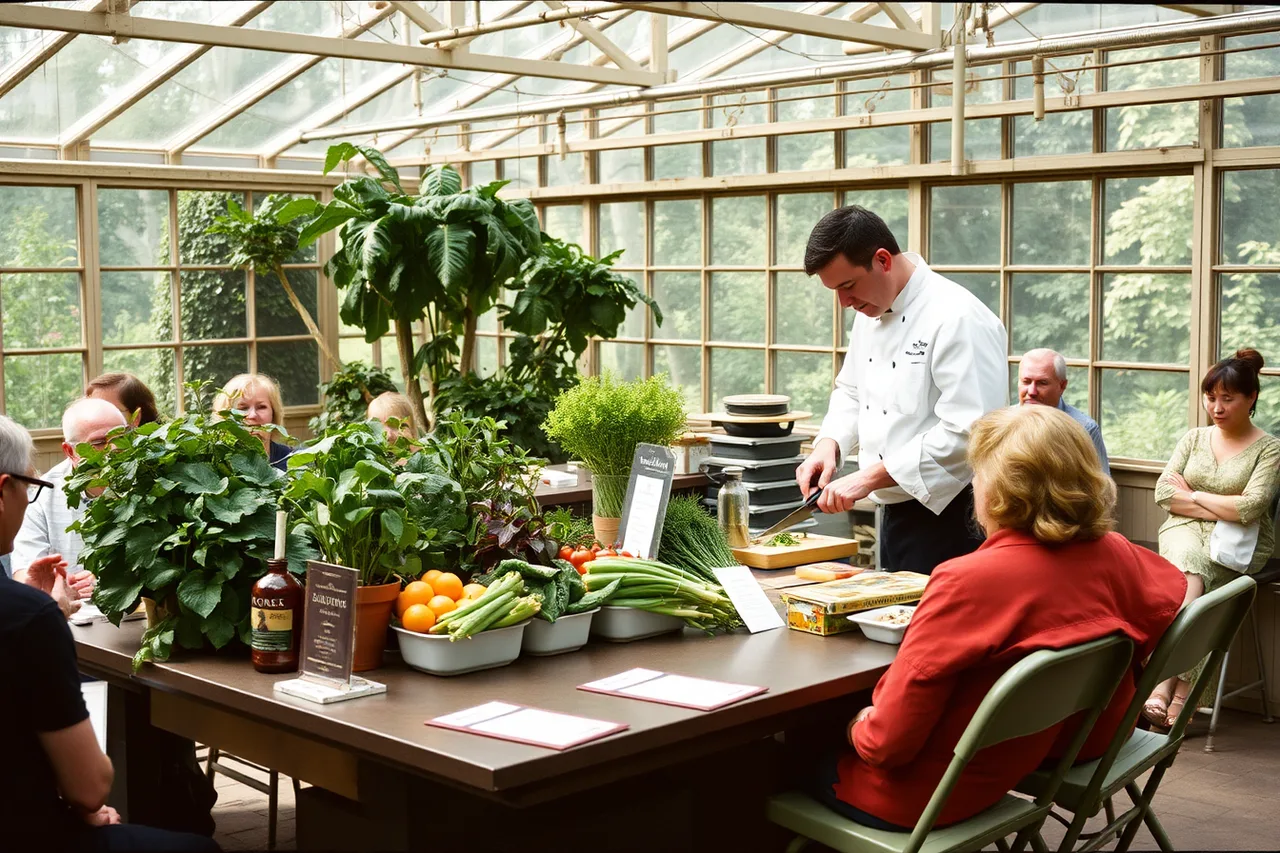
Free programming runs on the same pattern elsewhere, and it is worth knowing what to look for. Cooking demonstrations are a good example. The United States Botanic Garden publishes a series of cooking demonstrations offering instruction, tips and recipes built around seasonal fruit and vegetables and the plants you could grow to supply them.
Community events at public sites work the same way. The annual fishing derby at Mammoth Spring National Fish Hatchery drew more than three hundred visitors. It marked National Hunting and Fishing Day.
Those days are cheap and memorable. They hide a planning problem: community events are advertised locally rather than nationally, so a general search will miss them. Look at the notices for the sites near your base, and at the state parks and refuges around them, before you set dates.
What moves the four-day total
| Line | How the itinerary changes it |
|---|---|
| Fuel and fares | Directly, by how far apart the sites are |
| Food | By how many meals fall during transfers |
| Entry | Barely in most regions, but timed tickets at Longwood Gardens and Winterthur can add $15 to $33 per adult |
| Parking and reservations | Free gardens may charge $5 to $15 for event parking, so check site notices |
| Wasted time | Heavily, and it is a real cost |
Two rules that save the most
Cluster sites geographically before choosing dates. Do not schedule a transfer on the same day as a timed ticket. Those two rules remove most of the avoidable cost from a garden itinerary.
Our guide to how an itinerary is assembled covers the sequence. Our overview of hidden garden travel expenses covers costs that survive even a well-built plan.
Finally, price the whole trip per garden hour rather than per day. Divide what you expect to spend by the hours you will actually be inside a garden.
Take the Reading base. Four gardens at about three hours each gives twelve garden hours. Two adults spend about $975 to $1,490, so the trip costs roughly $81 to $124 per garden hour for the pair. Lose a morning to a transfer and the same money covers eight garden hours, which is $122 to $186 each hour.
That number is uncomfortable the first time you calculate it, and it changes how willing you are to add a fourth site to a five-day plan.