Guides
Part of 5 things about garden tour operators worth your time
How to vet a garden tour operator on group size, vehicle and weather policy
A vetting list for garden tour operators: group size, vehicle arrangements, what the guide actually knows, and how the trip handles weather and closures.
Vetting an operator takes one phone call if you ask the right questions. Ask these questions in order, and get the answers in writing before you pay a deposit. A good operator answers each one at once, with specifics.
What to take away
- Ask about group size and vehicle before anything else. Both are hard constraints.
- Ask what the guide is qualified to speak on, not how long they have worked.
- Get the cancellation, weather and refund policy in writing before any deposit moves.
- Check whether any part of the tour is a follow-the-leader drive in your own vehicle.
- Check that the company is registered where the law requires, and that its membership claims can be confirmed.
Group size and vehicle
Start here, because everything else follows from it. Ask how many people the tour takes at most, what vehicle carries them, and how many stops are planned each day. A group of forty and a group of twelve are different products, regardless of the itinerary.
Ask for the maximum group size written into the contract, and the guide-to-guest ratio. Ask whether the guide uses a voice amplification system, and whether the vehicle can reach every site on the route. If it cannot, ask what the substitute stop will be.
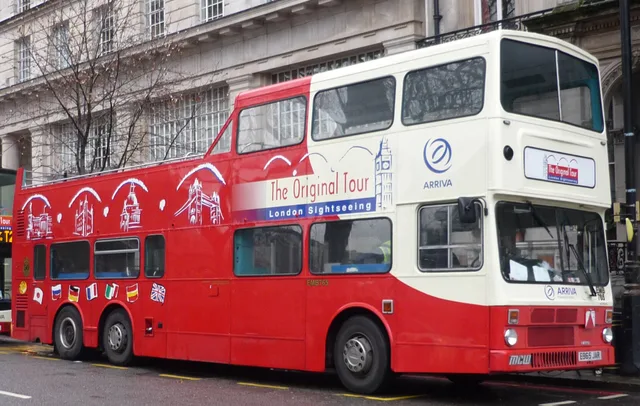
Ask for the vehicle type and its seat count. Larger motorcoaches, often 45 to 57 seats, are common on fixed-route tours but may not fit narrow garden lanes or small car parks. Minibuses, commonly 12 to 25 passengers, suit smaller groups and tighter sites. Ask whether the vehicle has a wheelchair lift or a low step, and who holds the driver's licence for it. A written answer names the model class and the seat count, not just "a comfortable coach".
Group Size and Vehicle Formats
Coach tour
- Group size
- Large, up to forty
- Vehicle
- Operator coach
- Guide amplification
- Ask if used
- Site access
- Coach must reach sites
- Example
- Standard itinerary
Follow-the-leader
- Group size
- Smaller, self-driven
- Vehicle
- Own vehicles
- Guide amplification
- Tour leader, no coach
- Site access
- Road conditions apply
- Example
- Pungo Unit waterfowl tour
Some tours are not coach trips. In a follow-the-leader format, participants drive their own vehicles behind the tour leader. That can work well, but you need to know in advance that you will be driving, and whether your car suits the road conditions on the route.
Credentials and registration
Several US states require companies that sell travel to register with a state agency. California, Florida, Hawaii and Washington are among the states that run seller-of-travel programs, and each state publishes its own list. Ask for the registration number, then check it on that state's list rather than taking the operator's word for it.
Trade associations publish membership lists, so membership is easy to verify. The American Society of Travel Advisors (ASTA) and the United States Tour Operators Association (USTOA) are two to ask about. Membership is not a guarantee of a good trip, but a claim you cannot confirm is worth nothing.
Ask for a certificate of liability insurance covering the vehicles and the guides. A reputable operator will send it without fuss.
What the guide actually knows
Ask what subject the guide would choose to talk about if left alone. The answer tells you more than a biography does. Then ask whether the operator has specialists it can bring in for a particular garden or topic, and who they are.
A commercial operator should be able to answer at that level of specificity about its own guides.
Vetting the Guide's Knowledge
- Ask the guide's chosen subject
- Ask if specialists are available
- Check published expert lists
- Demand operator-level specificity
Weather, closures and refunds
Ask these four questions, and listen for what a good answer contains:
- What happens if a garden closes a section on the day? A good answer names the substitute stop and who makes the call, and when.
- Is there a wet-weather alternative, and is it named in the itinerary? An indoor stop with a name and an address is a real answer. "We will find something" is not.
- Who carries the refund, the operator or a reseller? Get the cancellation schedule in writing with dates, the deposit amount and the holder of the money.
- Is any part of the itinerary weather-dependent by design? An outdoor-only day with no fallback should be priced and planned as a risk, not discovered on arrival.
A cancellation schedule has a shape worth checking. An illustrative example: a full refund more than 60 days before departure, half the fare between 30 and 60 days, and no refund inside 30 days. Your operator's schedule may differ, but it should have dates and percentages, not "terms apply". Ask whether the schedule changes if the weather cancels the tour rather than you.
Access and pace
Ask about walking distances between stops, whether anyone can wait somewhere comfortable, and how the group handles mixed walking speeds. A vague answer usually means the group will split awkwardly on day one.
Two follow-ups are worth the time. How much of each day is spent seated in the vehicle? How long is the shortest stop? An itinerary with ten stops and eight hours of daylight tells you something specific about the trip, and the operator rarely volunteers it.
If the shortest stop is under an hour, treat that garden as a photograph stop rather than a visit.
Pay attention to how the answers arrive as much as to what they contain. An operator who says plainly that a stop is short, that the guide changes, or that a garden may close is telling you they have run this before. Certainty about everything, at this stage, is the least reassuring answer available.
Common questions
How far ahead should I vet an operator?
Before paying a deposit. After the money has moved, you have very little bargaining power left.
Is a small operator riskier?
Not inherently. Ask about substitution and insurance rather than about size.
Should I ask for the itinerary in writing?
Always, with addresses. It also shows how much of each day is spent traveling.
What is the single best question?
What happens if the main garden closes that morning. The quality of the answer predicts most of the rest.