
Maintenance
The mistakes that spoil a first garden trip, and the simple fixes for each
The errors that spoil a first garden trip: touching what you should not, moving plant material between places, and planning around a bloom you cannot book.
Beginner mistakes at gardens fall into three groups: assuming plants are harmless, moving material between places, and building a trip around something that cannot be scheduled. Each has a straightforward fix, and each is worth knowing before the first visit rather than after.
What to take away
- Not every plant is safe to touch, and gardens increasingly say so on the label.
- Never move soil, seed or plant material between sites, however innocent it seems.
- Planning around a specific bloom date is the commonest way to waste a trip.
- Read the site's own notices; almost every mistake here is documented somewhere on them.
Mistake one: assuming plants are harmless
Plants defend themselves, and some of those defenses work on people. The United States Botanic Garden addresses this directly in an exhibit called Fierce Flora. Most plants are relatively harmless, it explains, but some have evolved features that cause problems for people who touch them, consume them or in rare cases sit beneath them.
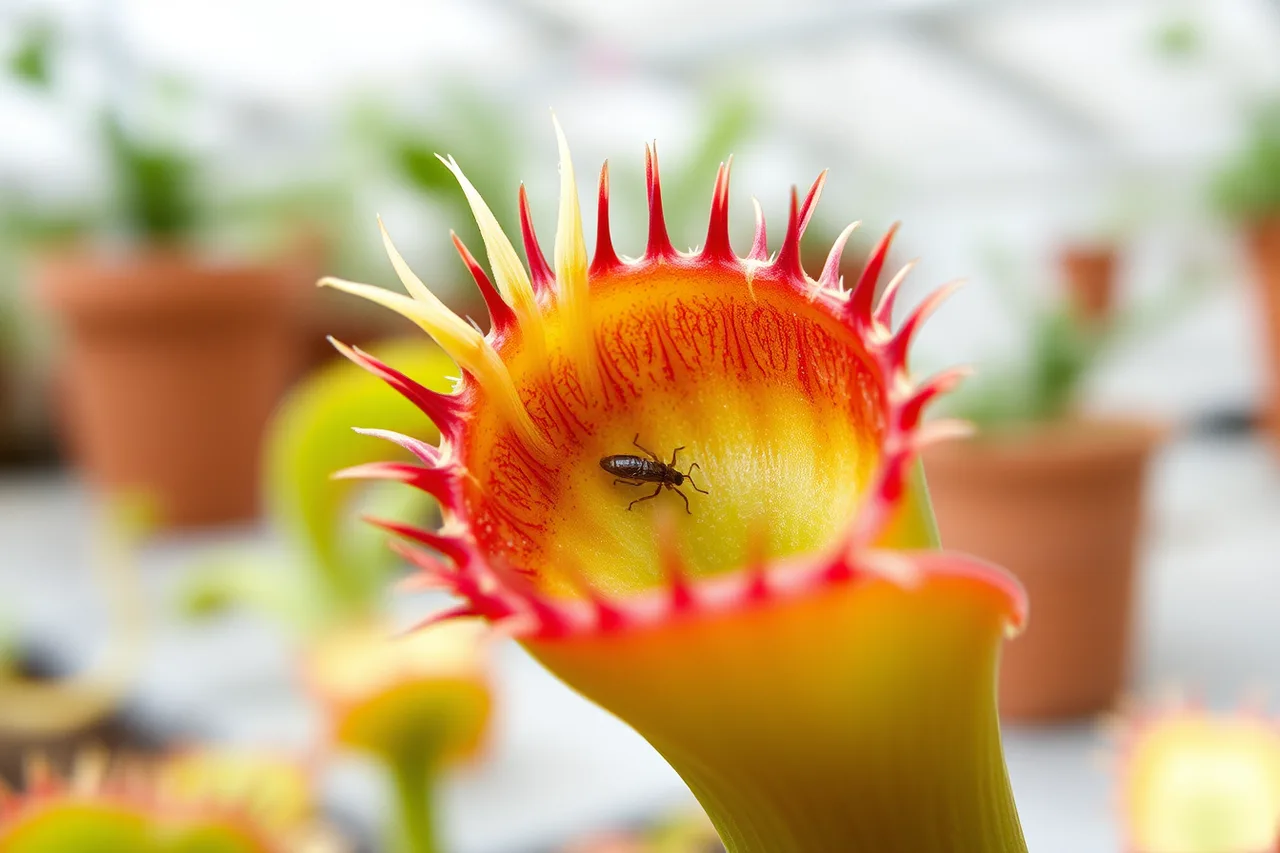
The same exhibit notes that more than half of pharmaceutical drugs were originally derived from plants. Visitors can test their reflexes against carnivorous plants such as Venus flytraps and bladderworts, and see poison ivy safely.
The fix is simple. Read labels before touching, keep children on paths, and treat anything unlabeled as unknown. If you do touch something and react, tell staff rather than leaving.
Mistake two: moving material between places
This is the mistake with the longest consequences. The Fish and Wildlife Service defines invasive species as non-native plants, animals and other organisms that thrive where they do not naturally live. They cause economic or environmental harm, or harm to human, animal or plant health, degrading and displacing native habitats and competing with native wildlife.
The boundaries are environmental rather than political, so a species can be native in one part of a country and damaging in another. Nutria, introduced from South America, are given as an example of the damage done to marshland at a national wildlife refuge.
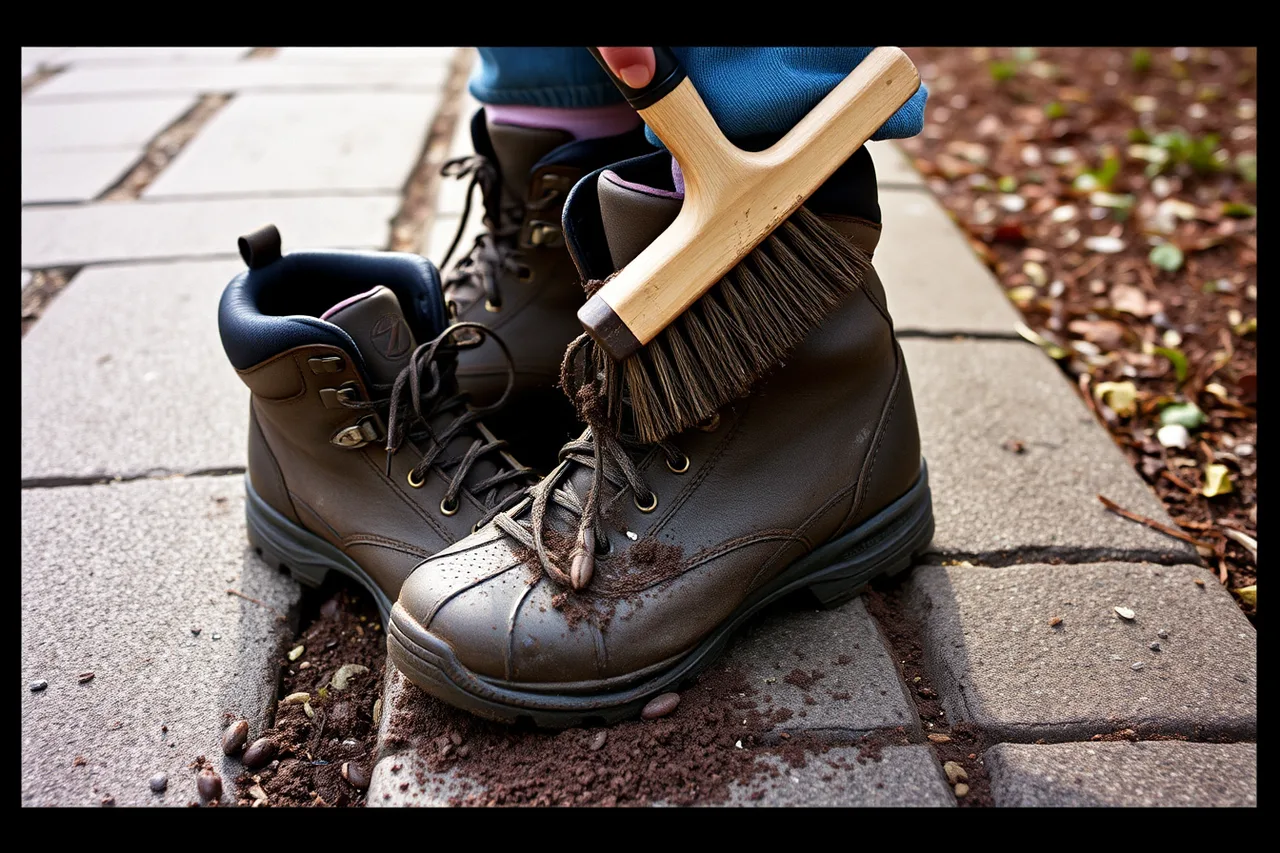
In practice: do not take seed or cuttings from a collection, clean boots between wild sites, and never carry plants across a state line without checking. This is also why gardens ask visitors to stay on paths.
Mistake three: booking a bloom
Bloom timing shifts with the season and the region, and no garden can guarantee it. Book a season, a place and a collection instead, then ask the site what is coming into bud in the week before you travel. If a specific flowering event is the entire reason for the trip, accept that it is a gamble.
The other errors, in short
| Mistake | Fix |
|---|---|
| Arriving mid-afternoon | Go at opening; the site is quieter and staff are free |
| One continuous lap | Fast lap, then return to two places |
| No fallback | Name a free site nearby before you travel |
| Trusting an old webpage | Look for a date range or closure notice |
Our guide to planning garden trips covers the sequence that prevents most of these, and our piece on how an itinerary is assembled covers where the slack should sit.
Common questions
Is it safe to touch plants in a garden?
Can I take a seed head that has fallen on the path?
What if I already brought soil on my boots?
How do I recover a trip when the main attraction is closed?
In this guide
- No water, wrong shoes, an unwieldy bag: packing mistakes that end a garden day earlyThe packing errors that end garden visits early: no water, wrong shoes, a bag you cannot put down, and gear the site does not permit on the trail.
- Garden trip mistakes that waste a day: what to check firstGarden trip mistakes that waste a day: closures, event dates and timed tickets, with the four 2025 U.S. Botanic Garden summer evenings as a worked example.
- Garden trip mistakes: accessible options checklistGarden trip mistakes involving accessible options are avoidable: check paths, parking, seating, hours and ADA guidance before visiting a public garden.
- Building a two-day garden itinerary: the mistakes it has to surviveA two-day plan designed around the things that go wrong: seasonal closures, tired children, weather, and sections that reopen without being announced.