Guides
How to plan botanical garden travel around a collection
Plan botanical garden travel around a collection, not a city: check indoor and outdoor seasons, arrival details, access and what to confirm before booking.
Botanical garden travel is not sightseeing with plants attached. It is a trip built around a collection, and collections behave differently from monuments. They change week to week, they close rooms for work, and they reward a visitor who knows what to look for. This guide covers how to choose a collection, how to plan the arrival, and what to confirm before you book.
What to take away
- Choose the trip around a specific collection or glasshouse, not around a city you already wanted to visit.
- Indoor plant houses and outdoor beds run on separate clocks, so check both before you fix a date.
- Transport and access details spoil more garden days than ticket prices do.
- Confirm hours, closures and program schedules close to your date, because gardens revise them often.
What a botanical garden actually offers
A botanical garden is a documented collection held for research, conservation and display, which is why it rewards travel in a way an ordinary public park does not. The clearest example is the Conservatory at the United States Botanic Garden, which is divided into separate plant houses rather than laid out as one hall.
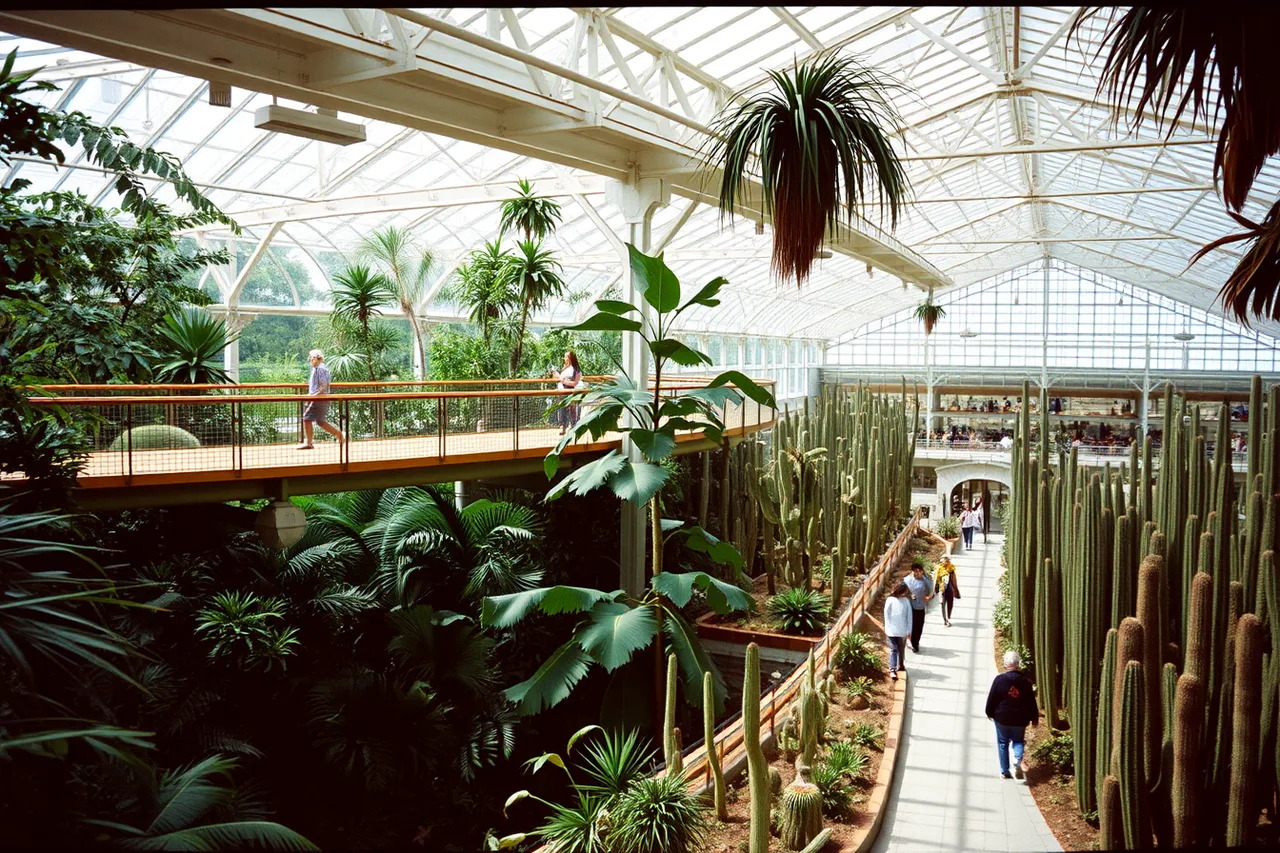
Its rooms include a tropical forest with a raised mezzanine for looking into the canopy, a world deserts house of cacti and succulents, a medicinal plants house, and a Hawaii house built around an island flora. The orchid house draws on a collection of roughly three thousand specimens, with hundreds shown at a time.
The same collection-first logic applies elsewhere. Longwood Gardens in Pennsylvania pairs a large conservatory with extensive outdoor gardens, and the Enid A. Haupt Conservatory at the New York Botanical Garden runs its own sequence of displays apart from the grounds around it. At any of them, the indoor and outdoor shows peak on different schedules.
That structure tells you how to plan. A garden organized by habitat rewards slow movement through two or three rooms. A garden organized by season rewards a well-chosen date.
Read the collection before you read the map
Most disappointing garden trips come from one mistake: booking a date first and asking what will be open second. Reverse it. Find the collection page, the exhibit calendar and any published notice of closures, then pick the date that fits.
Bloom timing is not a fixed calendar entry. It shifts with the season and the region, so treat any date you read on a blog as a hint and confirm the current state with the garden. Our guide to transport, stays and ticket costs covers how to hold a plan loosely until those answers arrive.
Plan the arrival, not just the visit
Arrival is where garden days go wrong. City gardens often sit on tight sites with no parking. Rural gardens can be an hour from the nearest station.
Ask three questions in order. How do I get there without a car? Where does a taxi or paratransit vehicle stop? How far is the walk to the entrance?
Readers with mobility, sensory or hearing needs should start with our piece on accessible options at public gardens, because the useful detail sits on a dedicated page rather than in the general visitor blurb.
Budget the day, not the admission
Admission is rarely the largest number, since transport, food, a spare day for bad weather, and the cost of getting home late usually outweigh it. Know what is free nearby.
The National Wildlife Refuge System runs more than 570 refuges across the country, with at least one in every state and one within about an hour of most large metropolitan areas. That makes a low-cost second stop realistic in many places.
A short list to run before booking
| Check | Where the answer lives |
|---|---|
| Rooms closed for work | The garden's own visitor notices |
| Program schedule | The events calendar, not a third-party listing |
| Drop-off points | The hours and location page |
| Access routes | A dedicated accessibility page |
Common questions
How long should I allow for a large botanical garden?
Can I plan a trip around a particular flower?
May I take a cutting or collect seed?
Is a guided tour worth it on a first visit?
In this guide
- Packing for a glasshouse-heavy botanical garden trip, condensation includedA packing list for botanical garden travel: dressing for humid plant houses, protecting a camera from condensation, and respecting collection rules.
- 4 points worth checking on botanical garden travel costWhat a botanical garden trip really costs: getting to a constrained city site, choosing a base, and the ticket rules that change the total most.
- Botanical garden travel companies: who guides?A practical look at who leads botanical garden travel companies' tours: garden staff, trained volunteers, outside operators and specialist guides.
- USA travel: planning an accessible botanical garden visitPlan USA travel around accessible botanical gardens: check arrival, borrowed mobility equipment, step-free access, and sensory details before you go.
- A two-day botanical garden travel itinerary templateUse this two-day botanical garden travel itinerary template to plan indoor collections, outdoor gardens, and a flexible weather buffer.