Features
The types of public garden destination that actually reward a long trip
Not a ranked list of gardens. A guide to the types of public garden that reward a journey, and the tests that separate a good one from a pretty one.
This piece deliberately does not name twenty gardens and tell you to go. Rankings of that kind go stale, and they push everyone towards the same handful of sites. What follows instead is the set of garden types that reward a journey, and the questions that tell you whether a particular example is worth yours.
What to take away
- There are hundreds of public gardens in the United States, so the question is which type suits you.
- Judge a garden by its collection and its labeling, not by its photographs.
- Seasonal displays and permanent collections are different reasons to travel.
- A garden that publishes what it holds is usually one worth visiting.
How many there are, and why that matters
The scale of the field is the first useful fact. The United States Botanic Garden ran an exhibit called Gardens Across America. It showed vignettes from twenty gardens, drawn from more than six hundred public gardens in the country.
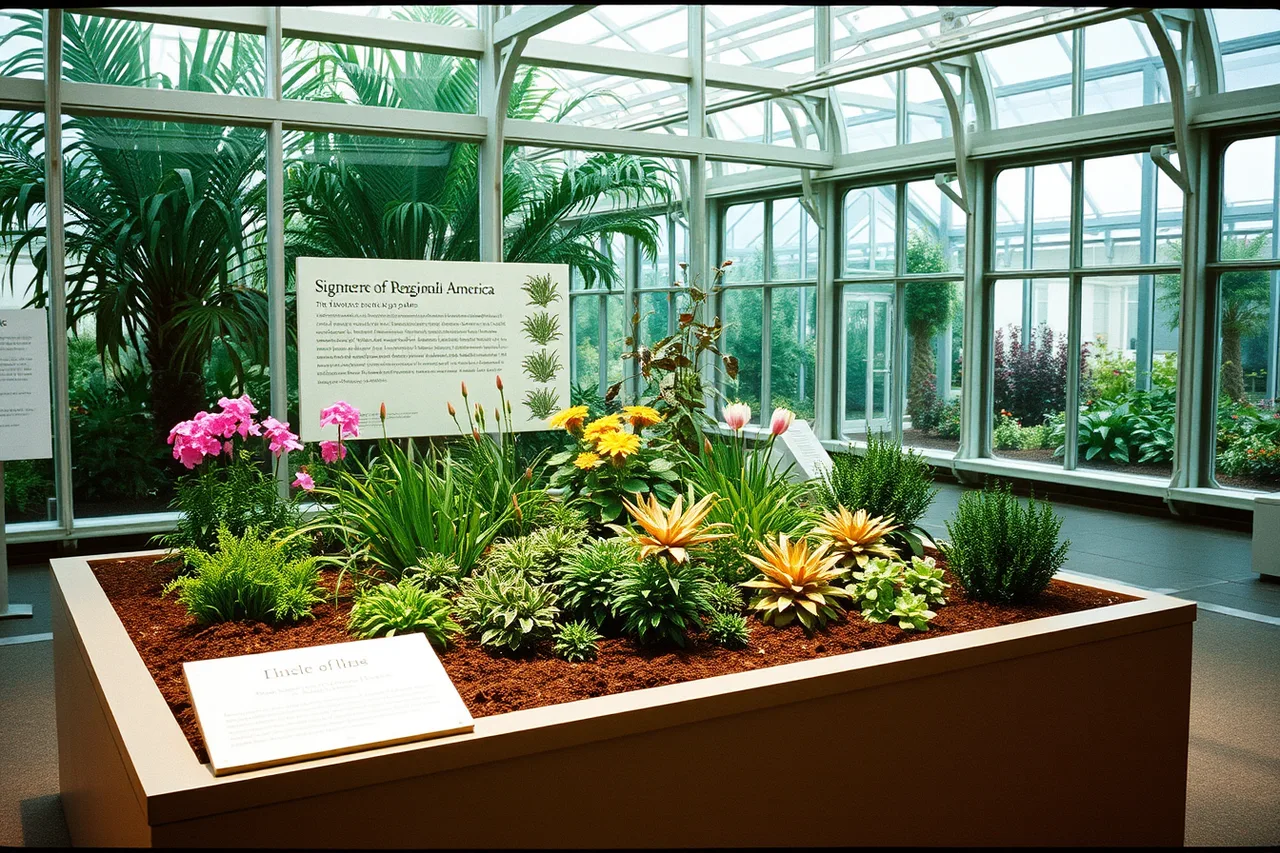
The selection ranged from rare and endangered plant collections to historic estates and modern city sites. States represented included North Carolina, Georgia, Texas, Florida, Pennsylvania, Virginia, Colorado and the District of Columbia. Each display used signature plants to explain that garden's style, origins, regional character and mission.
That is the useful lesson. Public gardens differ by mission, not just by size, and mission is what you should be matching against.
The types worth a journey
- Conservation collections.
- Gardens holding rare or threatened species, usually with research behind the display.
- Habitat glasshouses.
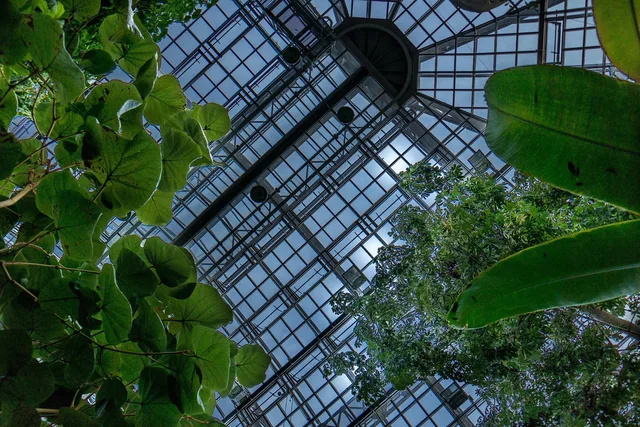
- Sites organized by climate, where a single building carries several ecosystems.
- Native plant gardens.
- The best place to learn what actually grows in a region.
- Historic designed gardens.
- Where the layout is the exhibit and the planting is the medium.
- Working and productive gardens.
- Kitchen gardens, orchards and urban agriculture plots.
- Wild public land with strong plant interest.
- Refuges and preserves, where the flora is not curated at all.
That last category is easy to overlook. A federal survey of wildflowers on national wildlife refuges says these public lands conserve native plants. Displays run through spring, summer and autumn, depending on species, so timing is everything.
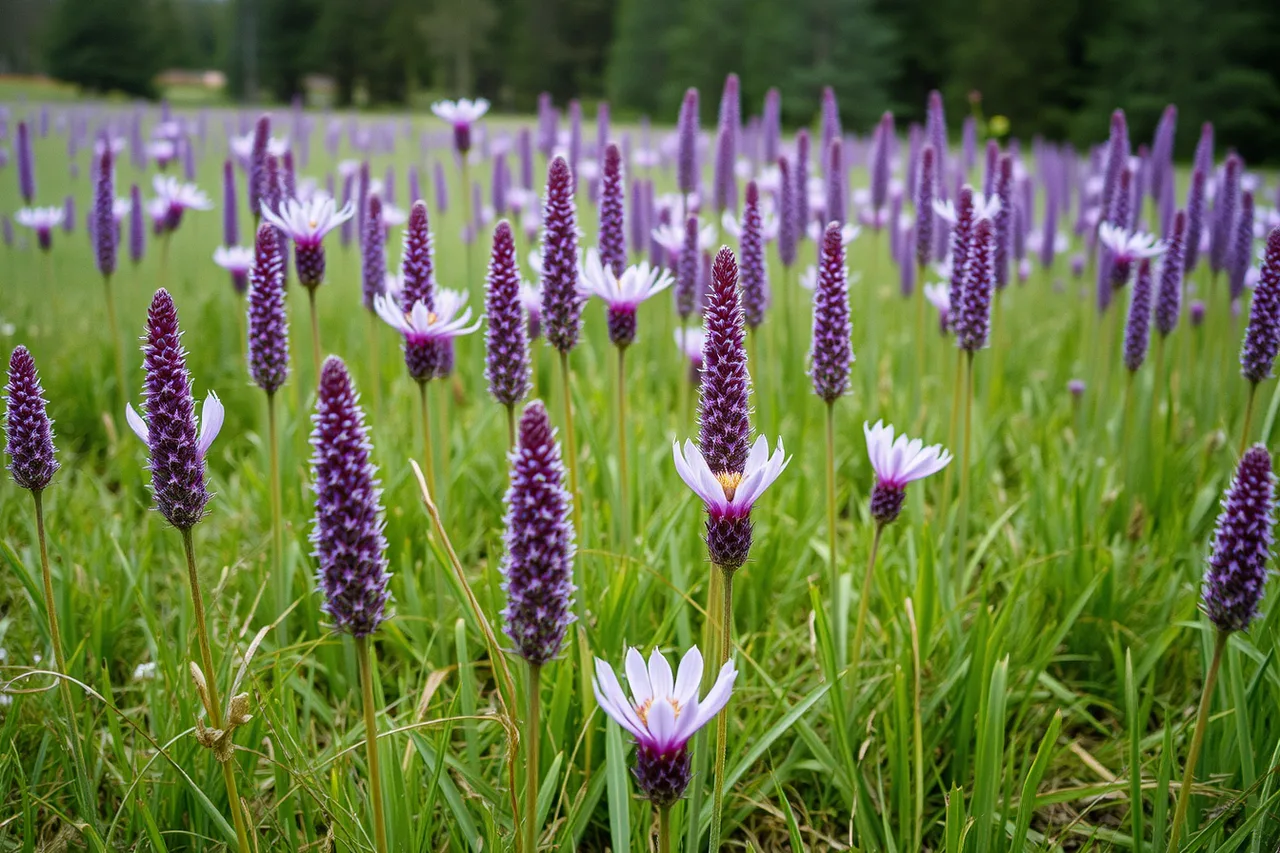
It cites camas turning a meadow purple in Oregon's Willamette Valley, the largest remaining wet prairie remnant, and prairie coneflowers at their best from midsummer into early autumn in North Dakota.
How to judge one before you go
| Test | What a good answer looks like |
|---|---|
| Does it publish its collection? | A searchable list or accession records, not a gallery |
| Are plants labeled? | Names and origins on the ground, not only on signs at the gate |
| Is there a stated mission? | Conservation, research, education, or a named historic remit |
| Does it say what is closed? | Current notices, dated, rather than an evergreen page |
What not to travel for
Do not travel for a single named plant on a single date. Bloom timing moves with the season and region, and a garden cannot promise it. Travel for a collection, a season and a place, then treat any spectacular bloom as luck.
Our guide to planning the trip in the right order covers how to hold a date loosely, and the cost breakdown explains which of these types is cheapest to visit well.
Common questions
Is a large garden always better than a small one?
Should I visit several gardens on one trip?
Are free gardens worse than paid ones?
How do I find gardens near a route?
In this guide
- Guided tours of public garden destinations, compared: free audio versus paidComparing garden tours fairly: what a guided walk includes, when a free audio route beats a paid one, and the reservation details that decide access.
- 4 things about public garden destinations worth your timeSix ways to plan a garden visit differently: specialist collections, native plant beds, working gardens and public land where nothing is curated.
- Free entry, compared with the real cost of reaching a public garden destinationFree entry rarely decides a garden trip. Compare named free and paid sites, and price the full journey, including travel, before you book anything.
- Public Garden Destinations Planning: Spot Stale SitesUse public garden destinations planning to check exhibit dates, closure notices, footer dates, archived pages, and recent garden updates before you travel.
- Spring, summer or autumn: picking the time for public garden destinationsHow to pick the time for public garden destinations: what spring, summer and autumn each offer, which named gardens carry each season, and what to plan around.