Costs
Part of The types of public garden destination that actually reward a long trip
Free entry, compared with the real cost of reaching a public garden destination
Free entry rarely decides a garden trip. Compare named free and paid sites, and price the full journey, including travel, before you book anything.
Garden budgets are dominated by travel, not by entry. A free garden three hundred miles away can cost more than a paid one nearby. So the first budgeting question is not what does it cost but what am I actually paying to reach.
One question settles most budget choices. Would you make this journey if the garden charged twice as much, and would you still make it if it were free? If the answer to both is the same, admission was never the deciding factor.
What to take away
- Free entry changes the total by a small share once a trip needs a night away.
- The National Arboretum in Washington and the Chicago Botanic Garden show the two patterns: free to enter, paid to park.
- Missouri Botanical Garden and Longwood Gardens charge per adult, with typical tickets from about 15 to 30 US dollars.
- Reciprocal admissions programs and the Canadian Garden Passport decide whether a membership beats day tickets.
- Parking at a paid lot is typically 10 to 30 US dollars per vehicle. A motel night near a rural garden is often 90 to 160.
- Preview a site remotely, then price travel, lodging, food and one spare weather day before booking.
Two free gardens, two cost shapes
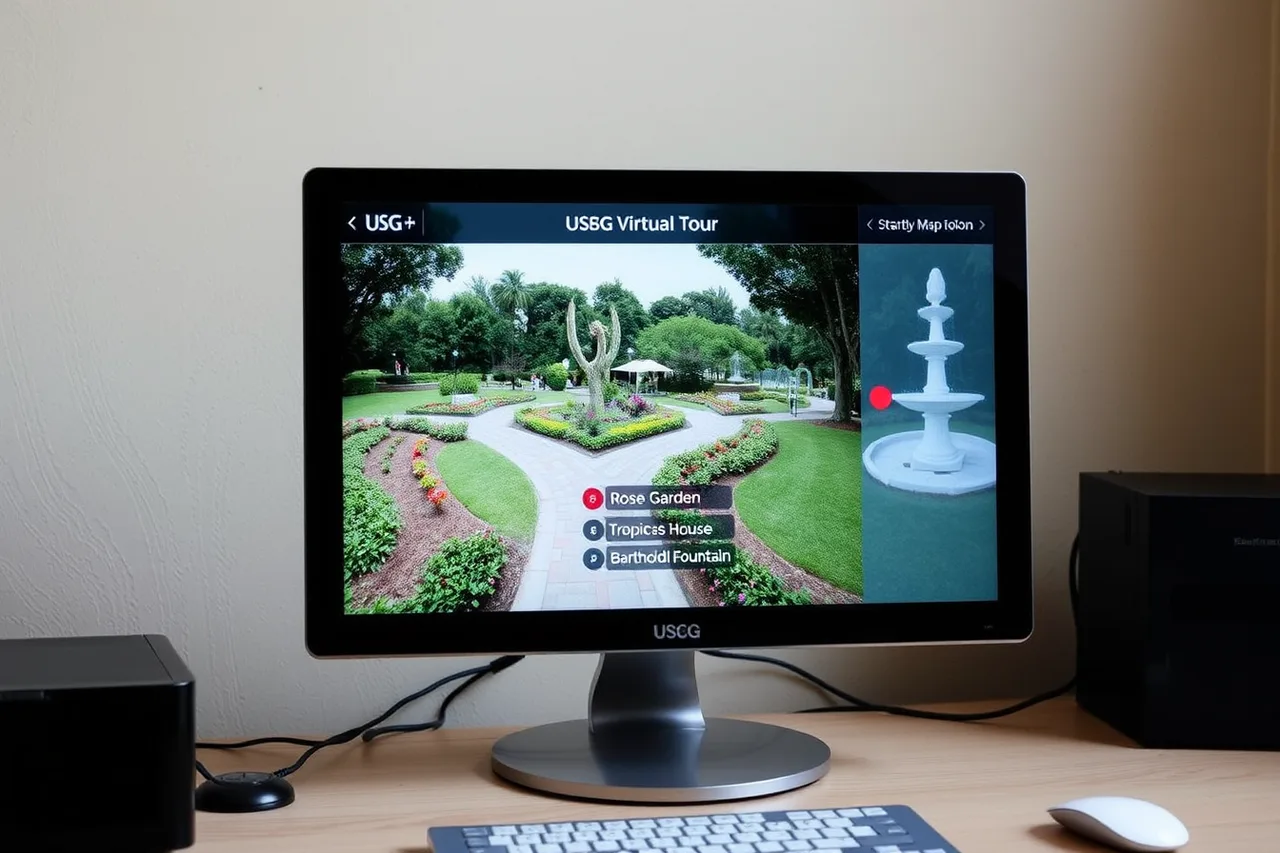
The virtual tour published by the United States Botanic Garden covers the Conservatory interior and the outdoor gardens in 360 degrees, with a map of every pathway. The Garden is explicit that displays change and no two visits are alike, so use the tour to judge size and time under glass, not bloom.
Washington's other free garden prices differently. S. National Arboretum charges nothing to enter and a flat fee per vehicle to park, so a car full of people pays once and a walk-in pays nothing. The Chicago Botanic Garden works the same way: free admission and paid parking, with a typical charge of 10 to 30 US dollars per vehicle.
Two paid gardens, and what the ticket covers
Missouri Botanical Garden in St. Louis sells timed adult admission and a separate charge for the Climatron and the Children's Garden. Longwood Gardens in Kennett Square, Pennsylvania, sells timed entry by season, and its Christmas display sells out weeks ahead. Both publish current prices, and both change them by season.
Plan on 15 to 30 US dollars per adult, plus 5 to 15 for a special display.
The pattern holds. A city glasshouse is cheap to reach and often charges. A rural conservation collection may be free and cost you a tank of fuel and a night in a motel, typically 90 to 160 US dollars.
Memberships, reciprocity and the passport
Before paying day tickets at several gardens, price a membership. Many gardens belong to reciprocal admissions programs, so a member at one admits a household to others at no charge or at a discount. Terms sit with each garden, not with a central body.
A household membership commonly runs 60 to 150 US dollars a year, and it beats day tickets after about three visits.
Canadian gardens run the Canadian Garden Passport. For US members, the practical test is whether the passport garden you plan to visit honours your home garden's program, and each garden publishes that answer on its own site. Our planning steps set out the order in which to commit money.
Why provision varies so much
Public gardens and public land are funded unevenly. It shows in trails, parking, interpretation and toilets. Sites also grow by gift.
Pocosin Lakes National Wildlife Refuge in North Carolina, for instance, received more than 1,700 acres donated by The Nature Conservancy. Entry there is free, but reaching it costs fuel, food and often a night away, typically 150 to 250 US dollars for the round trip.
Nothing about that is predictable from a map. Check the current facilities page rather than assuming that a large site is a well-serviced one.
A budget frame that works
| Line | Typical cost, two days, one person |
|---|---|
| Travel to and from | 60 to 250 US dollars |
| Accommodation, one night | 90 to 200 US dollars |
| Food | 50 to 120 US dollars |
| Parking | 10 to 40 US dollars |
| Admission and supplements | 0 to 60 US dollars |
| Contingency, one spare day | 50 to 150 US dollars |
Our overview of garden types worth traveling for helps decide which of these is worth the journey.
A worked example, using the bands above. A paid city garden 40 miles away costs about 20 dollars to enter, 15 to park, 12 in fuel and 18 for lunch, so roughly 65 dollars for the day.
A free rural garden 300 miles away costs roughly 90 in fuel, 120 for a motel night, 60 in food and nothing to park, so about 270 dollars. Free entry saves 20 dollars; the distance adds 200.
Common questions
Is it cheaper to visit two gardens in one trip?
Per garden, yes. Per experience, often not, because you halve the time at each. Price the second garden as a full day, not as a discount on the first.
Do free gardens ask for donations?
Many do, and it is the main way visitors can support them. Treat it as a budget line rather than a surprise. A typical request is 5 to 15 US dollars per visitor or per household.
Should I buy a supplement for a special exhibit?
Decide on site if you can. Buy in advance only where capacity is limited, as at Longwood's Christmas display.
How much contingency is sensible?
Enough to cover one weather day. That single provision prevents most wasted garden trips.