Guides
Part of Public garden case studies: how to read the reporting
Packing for a working public garden project, not a show garden
Packing for community gardens, school plots and working sites rather than show gardens, where the ground is rough and the facilities are minimal.
Visiting a working garden project is not like visiting a show garden. There is usually no cafe, no paved loop and no gift shop, and the interesting part may be a raised bed behind a school. Pack accordingly.
What to take away
- Assume no facilitiesno toilets, no water, no shelter, no seating.
- Sturdy footwear matters more here than anywhere else in garden travel.
- Bring something to write with, because these sites are rarely labeled.
- With children, the small found objects matter more than the destination.
Assume nothing is provided
School gardens, community plots and demonstration beds are working spaces, not visitor attractions. The published school garden guide produced by the United States Botanic Garden with a state education office and a community organization makes the nature of these places clear.
It is written for teachers, administrators, community organization staff and parents. It covers starting a new school garden, maintaining an existing one and delivering garden-based instruction. It cites research that garden-based learning affects grades, knowledge, attitudes, physical health and behavior, and strengthens the connection between a school, its community and the natural world.
That is a place designed for teaching, not for hosting. Carry your own water and expect the ground to be uneven.
The list
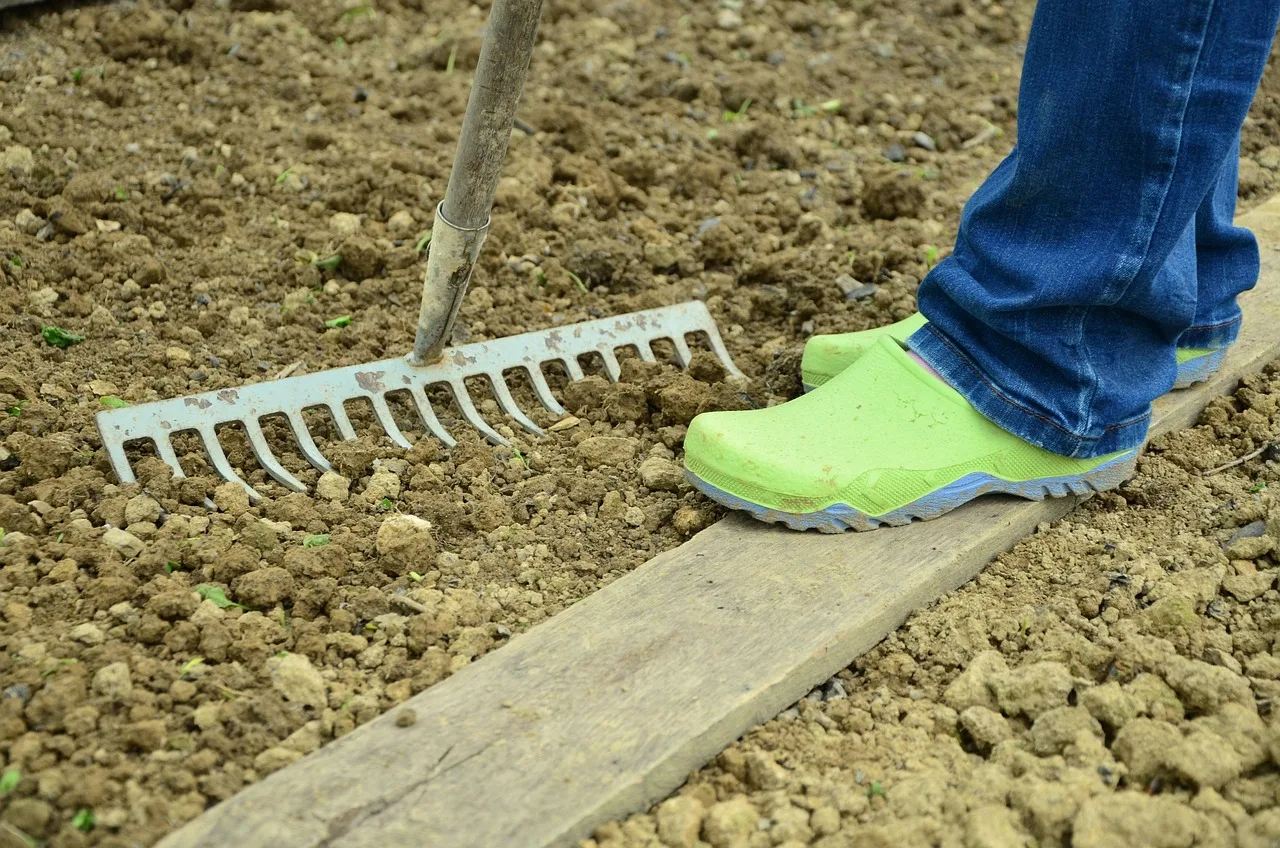
- Closed, sturdy shoes; these sites have gravel, mulch, hoses and edging.
- Water and a snack, since nothing will be for sale.
- A notebook, because plants are rarely labeled at working sites.
- Gloves, if you are likely to be invited to help, which happens often.
- Sun protection, as shade is usually absent by design.
Packing for children is different here
At a working garden, participation draws people, not spectacle, and small things carry the visit. A refuge manager writing about mini nature moments with children describes handing a four-year-old a Douglas fir cone.

He pointed out the small, hand-shaped bracts between the scales, giving the child a memorable way to recognize the species. The child then became fixed on finding more.
That is what to pack for: a magnifier, a paper bag for found objects, and the patience to stop on the way in. None of it is expensive and all of it works better than an activity sheet.
The same applies to adults, but quieter: a working garden gives up very little to someone walking through at normal speed. It gives up a great deal to someone who stops at one bed, reads labels if there are any, and asks whoever holds a hose a question.
Pack for standing still, not for covering ground.
What not to bring
Leave secateurs, trowels and seed envelopes at home unless you have been invited to work. Even at an informal community garden, taking material or cutting anything without asking is the fastest way to become unwelcome.
The plants in a community plot belong to somebody, usually to several people, and a bed that looks unattended is generally somebody's allotment rather than spare ground. Our overview of documented garden projects explains what these sites are and why they are worth visiting, and our list of packing mistakes covers the errors that apply at any garden.
Pack light enough to be useful. Arrive with two free hands and an hour you are willing to give away. That is hard if you are carrying camera bags and a coat you cannot put down anywhere.