Rules
Part of Public garden case studies: how to read the reporting
USA travel: Allens Pond access and a free garden field trip
USA travel pairs Allens Pond’s accessible route with free field trips at the United States Botanic Garden; registration is required.
Accessibility at public sites usually arrives as a specific, funded project rather than as a general improvement. For USA travel planning, reading those projects tells you what an accessible route actually contains, and it tells you which sites have recently been rebuilt.
What to take away
- The Allens Pond report describes a boardwalk, an interpretive stop and a guiding bead.
- The report links the trail in part to a settlement after the 2003 Bouchard Buzzards Bay oil spill.
- The United States Botanic Garden offers free field trips and resources, but registration is required.
- Self-guided trips are led by teachers and chaperones; instructor-led and virtual options are also available.
What an all-persons trail includes
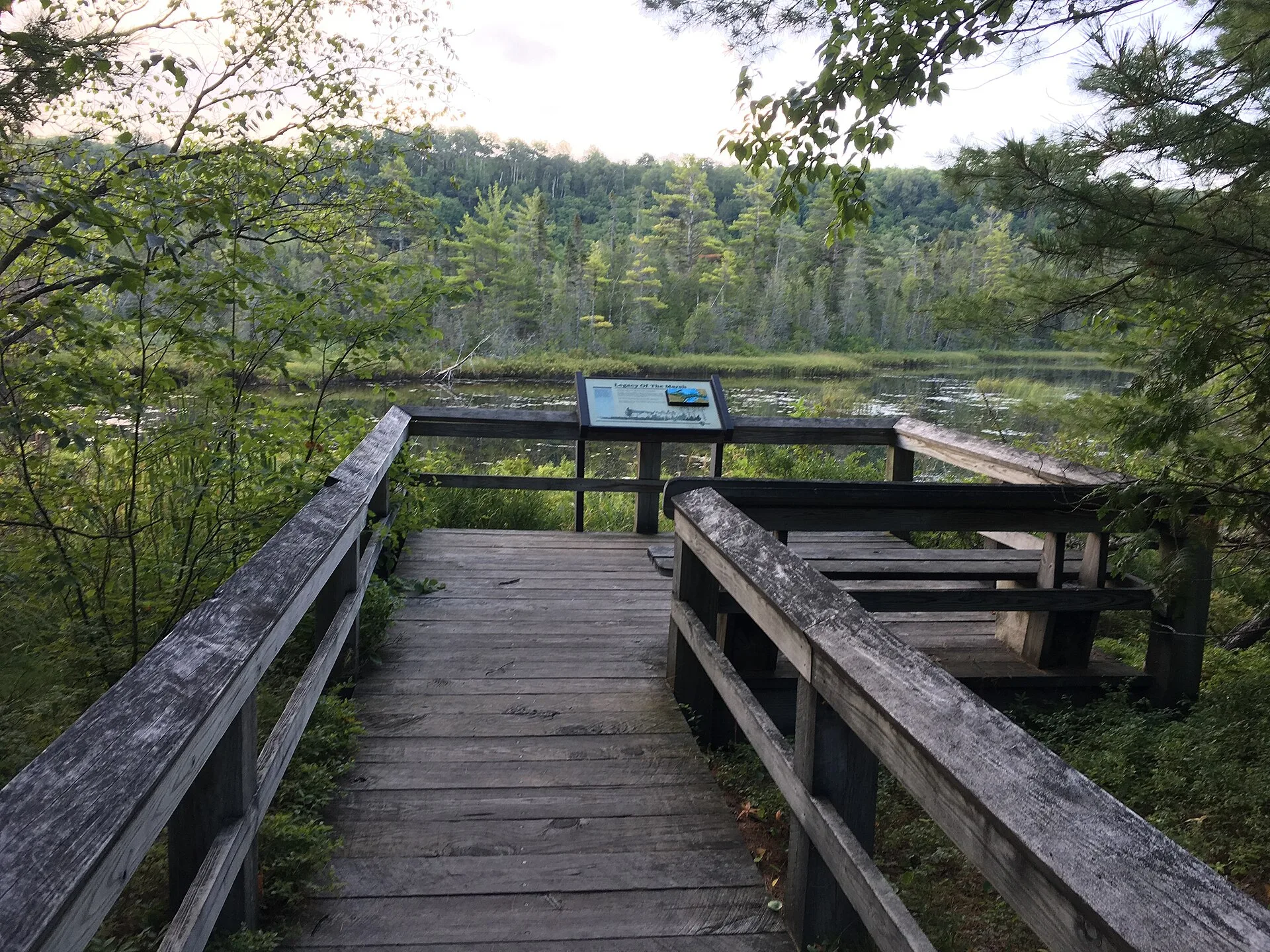
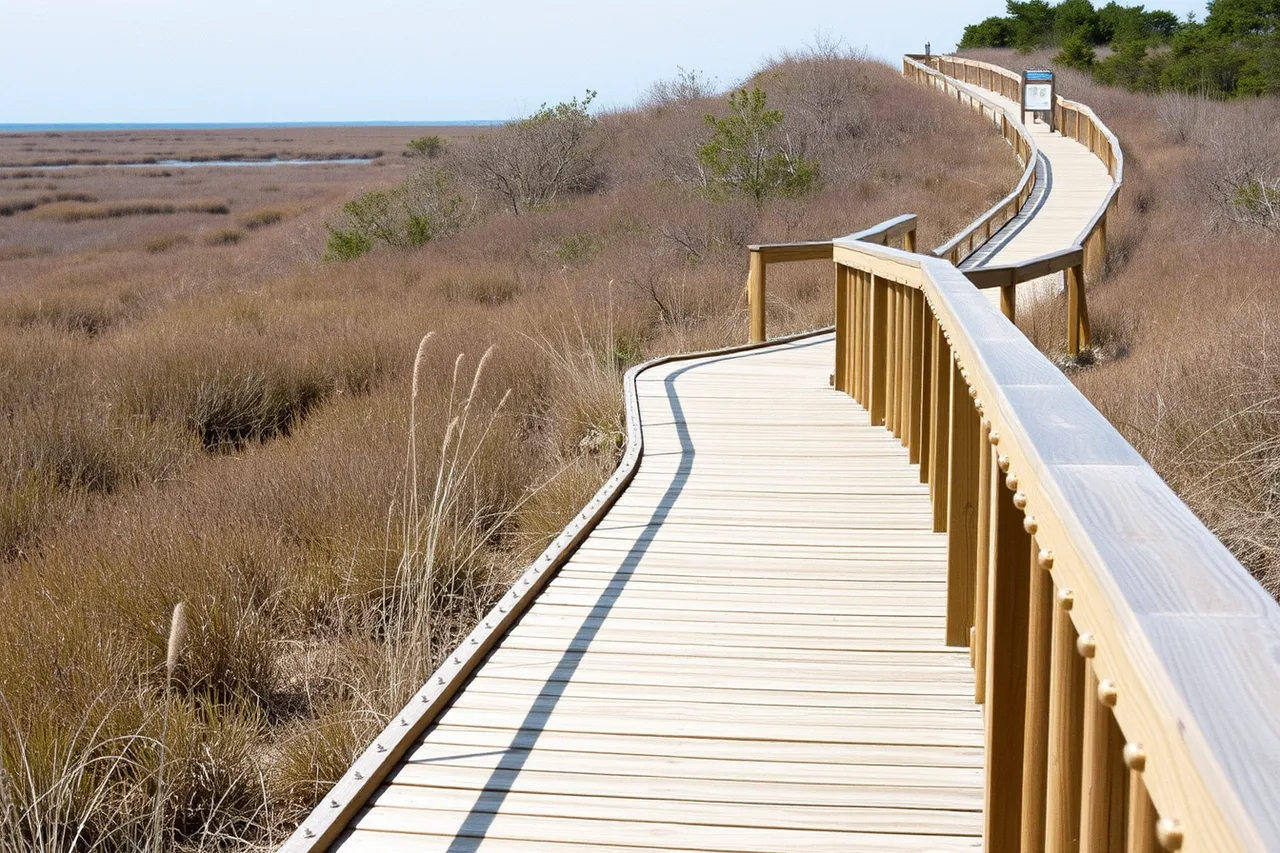
A report on a new all-persons trail at Allens Pond in coastal Massachusetts describes a boardwalk with an interpretive stop and a guiding bead. For travelers, those details say more about the route than an accessibility label alone; the report also connects the project to a restoration-funding story.
Funding for the project came in part from a settlement after the 2003 Bouchard Buzzards Bay oil spill. The spill affected nearly a hundred miles of Massachusetts and Rhode Island coast.
The spill released an estimated 98,000 gallons, killing hundreds of shore birds, harming aquatic life, and restricting public and commercial beach access.
At Allens Pond, federal trustees and state bodies later secured funding to restore the habitat and public access.
Two details are worth carrying into your own planning. A guiding bead is a tactile wayfinding element, which tells you the route was designed for people who cannot rely on sight. And interpretive stops on an accessible route mean the experience, not just the surface, was thought about.
Which accessibility standard applies depends on who runs the site: trails on federal land follow the U.S. Access Board's accessibility standards for outdoor developed areas, issued under the Architectural Barriers Act, while gardens run by states, cities and nonprofits fall under the Americans with Disabilities Act. For a visit, ask the site which standard its route follows and what features it documents.
United States Botanic Garden field trips: free, with registration
The field trip program at the United States Botanic Garden is free, but registration is required. It distinguishes between self-guided trips led by teachers and chaperones without Garden staff and instructor-led or virtual trips; its resources are also free.
Self-guided groups are welcome during opening hours provided they register in advance. Printed resources are limited, so materials should be downloaded and printed beforehand.
For a group with access needs, advance registration is the time to tell the United States Botanic Garden what support it may need.
Use that moment properly. Registration is a chance to tell the site about mobility, sensory or communication requirements before arriving, and staff can rarely improvise on the day. Write more than you think is necessary, and name the specific difficulty rather than a category.
What to ask about an accessible route
| Question | Why it matters |
|---|---|
| When was the route completed? | Recent work is usually to current standards |
| What is the surface? | The single biggest determinant of usability |
| Is there tactile wayfinding? | Indicates design beyond a smooth surface |
| Are there interpretive stops? | Shows the experience was designed, not just the path |
Our overview of documented garden projects covers how to find these reports, and our notes on access mistakes on garden trips cover what to verify before you travel.
For travelers, a completed project report can explain what features a route offers and where its funding came from. Read it alongside the site's current visitor information before deciding whether the stop is worth adding to a trip.