Industry
Part of Historic gardens compared: reading a restoration claim before you pay for one
Nurseries and city deals: what keeps a historic garden running
Heritage gardens run on local trades and partnerships: nurseries, restoration crafts, city agreements and the grant programs that fund the work.
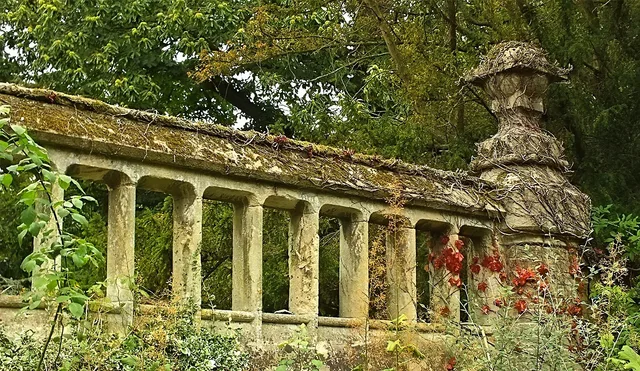
Historic gardens are labor-intensive in ways that modern ones are not. Walls need repointing, ironwork needs casting, hedges need cutting to a line somebody drew two centuries ago, and period-appropriate plants need growing on. Almost all of that is supplied locally, which is why the surrounding trade base matters to whether a garden survives.
What to take away
- Specialist trades near a heritage site are part of its infrastructure, not a nice extra.
- Grant programs funnel money into local partnerships rather than into the institution alone.
- Formal city agreements are a common structure for long-term local involvement.
- Ask who did the last major repair, and whether that firm is still trading. That answer says more about a garden's future than the planting does.
The trades a historic garden depends on
Look around a heritage garden and count the crafts. Masonry, joinery, ironwork, glazing for a period glasshouse, arboriculture for veteran trees, and a nursery capable of growing cultivars that no longer sell in volume. Each of those is a business with a small local market, and each becomes unavailable if that market disappears.

The cafe is not what keeps the garden going; the joiner two streets away is.
Two named examples show the scale of that market. Plant Delights Nursery in Raleigh, North Carolina, sells unusual perennials and opens Juniper Level Botanic Garden to visitors on set days. Broken Arrow Nursery in Hamden, Connecticut, grows rare woody plants that mass-market chains do not carry.
The dependency runs both ways. A heritage garden gives those trades a steady, predictable client, which is often what lets a small workshop keep an apprentice. When the garden reduces its maintenance budget, the trade shrinks first and the garden loses the capability a few years later, by which point it is expensive to rebuild.
How institutions fund local partners
The United States Botanic Garden's urban agriculture program works with the American Public Gardens Association. It awarded $461,434 to twenty-five public gardens and their community partners for food-growing and related education work.
Urban agriculture grants awarded
$461,434 | awarded by the USBG program
25 | public gardens and community partners funded
Garden and local partner apply together
Aims to build a national food-growing network
The program also aims to build a national network of organizations working on food production and education.
The mechanism matters more than the sum. Money goes to a garden and a local partner together, which means the local organization has to exist first.
A second route runs through preservation money rather than horticulture money. The Historic Preservation Fund, run by the National Park Service, reaches historic garden buildings and grounds as matching grants passed through State Historic Preservation Offices. A garden has to raise local money first, so the match itself builds the partnership.
The pattern repeats across programs. The money is conditional on a local partner, a match, or both.
City agreements as a long-term structure
Where local involvement lasts, there is usually an agreement rather than goodwill. The Urban Bird Treaty program is a clear model: launched in 1999 with New Orleans, followed by Chicago in 2000.
It has since grown to include cities from Alaska to Alabama. A published guidebook supports existing partner cities and those seeking designation, and Tucson was recognized in February 2026.
Garden agreements follow the same shape. Garfield Park Conservatory in Chicago is owned by the Chicago Park District and run with the Garfield Park Conservatory Alliance as its nonprofit partner. Wave Hill in the Bronx stands on city land and is operated by Wave Hill Inc. under an agreement with NYC Parks.
Historic gardens work the same way where they work at all. A memorandum with a city, a school district or a preservation trust outlasts individual staff.
What a visitor can do
- Ask which nursery and which trades the garden uses, then buy from those businesses.
- Attend the ticketed programs, which usually fund the unglamorous maintenance.
- Say where you spent money when a site asks in its visitor survey.
Finding that trade takes one question. Ask at the garden office, or check the supplier board at the entrance, where firms that worked on recent projects are often named.
Our guide to choosing a historic garden covers how to judge whether a site is genuinely maintained, and our list of questions to ask when booking includes the ones that reveal how a garden is funded.
If you want a single test of whether a historic garden is on solid ground, ask who did its last major repair and whether that firm is still trading. A confident answer usually means the local trade base is intact. A vague one is worth noticing, whatever the beds look like in June.