Guides
San Francisco garden styles, from the Conservatory of Flowers to the Japanese Tea Garden
Golden Gate Park packs a glasshouse, a Japanese strolling garden and free rose beds into one walkable district on the city's foggy western side.
What to take away
- The Conservatory of Flowers, Japanese Tea Garden and San Francisco Botanical Garden all charge admission; the Rose Garden, Shakespeare Garden and AIDS Memorial Grove are free.
- The Conservatory closes Mondays. The Tea Garden opens daily and drops its gate fee on Mondays, Wednesdays and Fridays from 9 to 10 a.m.
- Adult admission at the three paid gardens typically runs from about $10 to $16, with lower rates for children, seniors and San Francisco residents.
- The paid gardens sit within about a mile of each other at the park's eastern end, so a walking route beats driving between them.
- Muni routes 5, 7, 21, 33 and 44 stop near the eastern edge; the N Judah runs along the south side.
- Ticket prices, hours and bloom timing change. Confirm each garden's current figures on its own site before you travel.
The park is a garden district, not one stop
Golden Gate Park stretches about three miles from the Haight to Ocean Beach. Its gardens bunch at the eastern end, which is why one afternoon covers several styles.
Four Garden Styles Compared
Conservatory
- Style
- Tropical glasshouse
- Setting
- Under glass
- Entry
- Paid
Tea Garden
- Style
- Japanese strolling
- Setting
- Ponds and bridges
- Entry
- Paid
Botanical Garden
- Style
- Climate zones
- Setting
- Cloud forest to Mediterranean
- Entry
- Paid
Rose & Shakespeare
- Style
- Formal seasonal
- Setting
- Open beds
- Entry
- Free
The Conservatory of Flowers and the Japanese Tea Garden sit minutes apart. The Rose Garden and Shakespeare Garden fill the ground between them.
The park sits inside the wider map of the Golden Gate National Recreation Area, the National Park Service unit that manages the Presidio and Fort Point nearby, described at the Golden Gate National Recreation Area (U.S. National Park Service).
The city's Recreation and Parks Department runs the gardens. The federal presence shapes the trails and transit around them.
Styles differ more than the postcard suggests. The Conservatory holds tropical and aquatic collections under glass. The Tea Garden works in ponds, bridges and pruned pines. The Botanical Garden spreads across climate zones from cloud forest to Mediterranean. The Rose and Shakespeare gardens are formal and seasonal.
That mix is a good example of the types of public garden destination worth building a longer trip around: a glasshouse, an ethnographic garden and a botanical garden within one transit ride.
Conservatory of Flowers: what the glasshouse holds
The Conservatory is the white Victorian glasshouse at JFK Drive and Conservatory Drive, near the park's eastern entrance. It opened in 1879 and carries a National Register of Historic Places listing.
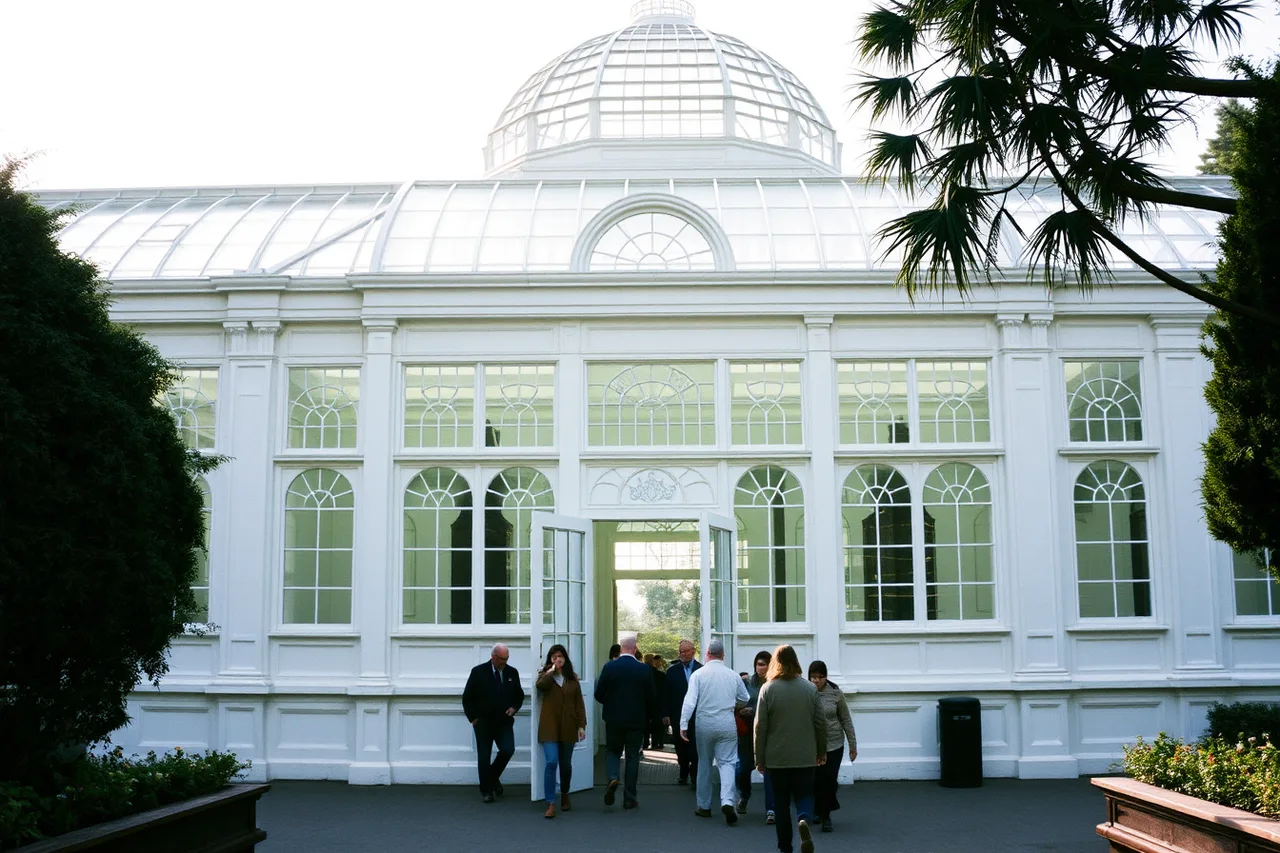
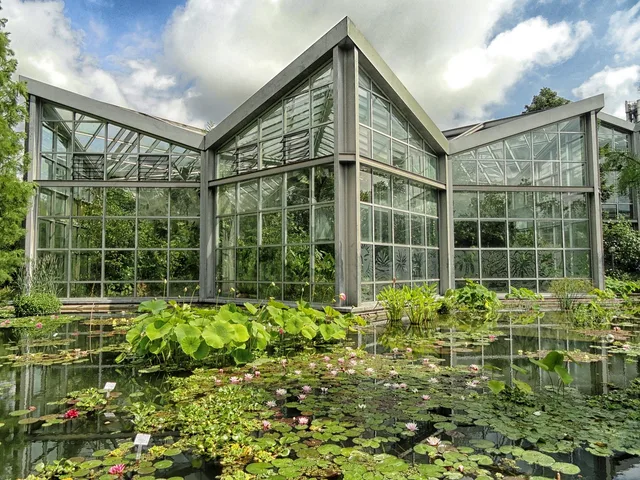
Five galleries sit inside: Lowland Tropics, Highland Tropics, Aquatic Plants, Potted Plants and a rotating exhibit space.
The Aquatic Plants gallery holds giant water lilies and other warm-water species. The Highland Tropics gallery stays cool and misty for orchids and mosses. The Potted Plants gallery rotates shows through the year, so a repeat visit can look different.
Adult admission at the Conservatory typically runs about $10 to $12, with lower rates for youth, seniors and San Francisco residents. It closes Mondays. Last entry usually falls about an hour before closing.
Expect a short line at opening and around midday. Buy online when the option appears and keep the confirmation ready. The main entrance has steps and a ramp, and the interior path is level.
Japanese Tea Garden: tickets, tea and peak weeks
The Tea Garden began as a temporary exhibit for the 1894 Midwinter International Exposition and stayed. It is the oldest public Japanese garden in the United States.
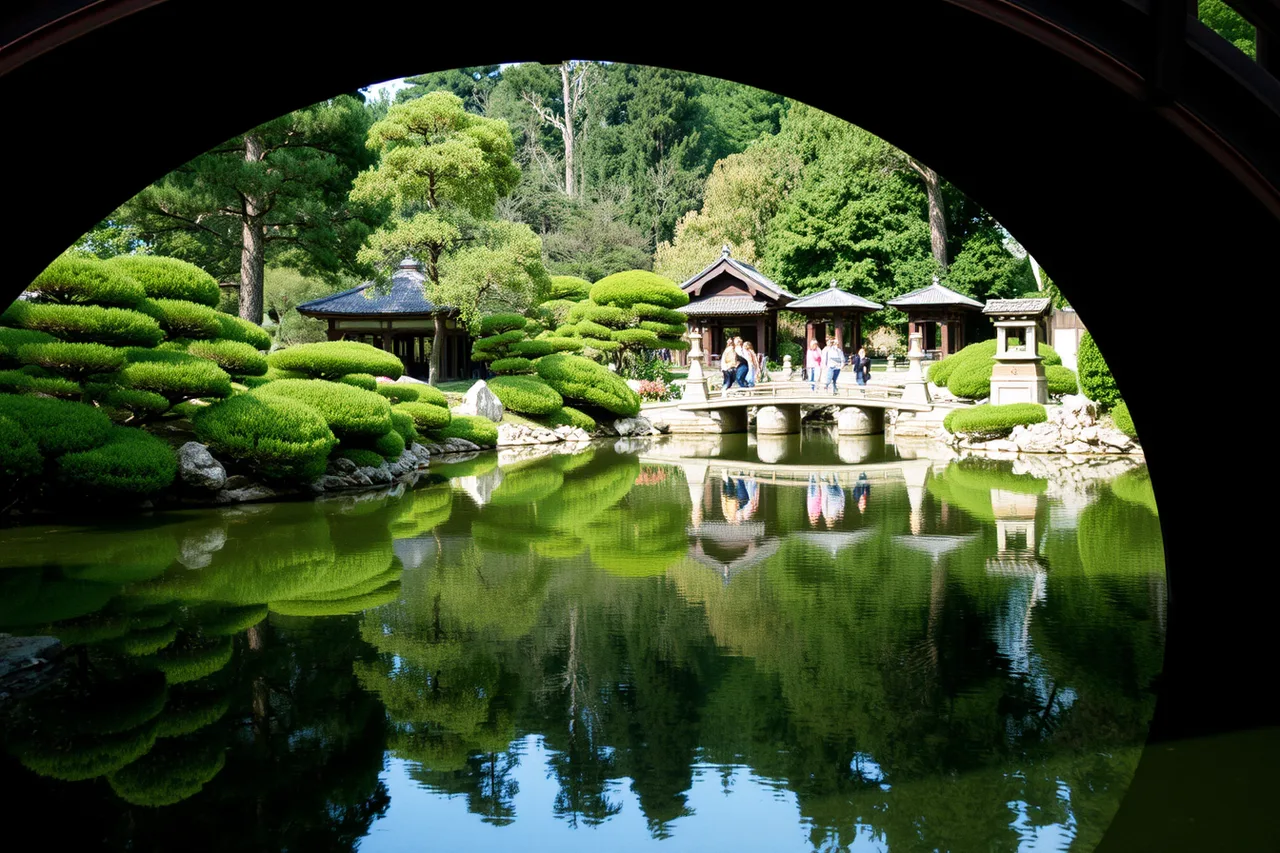
The design uses a pond, an arched drum bridge, stone lanterns, a pagoda and clipped pines to change the view at every turn.
Admission is charged for most visitors, with free entry on Mondays, Wednesdays and Fridays from 9 to 10 a.m. Tickets sell at the gate and online. Adult tickets typically run about $12 to $15, with lower prices for children, seniors and San Francisco residents. The Tea House sells tea and small snacks at extra cost.
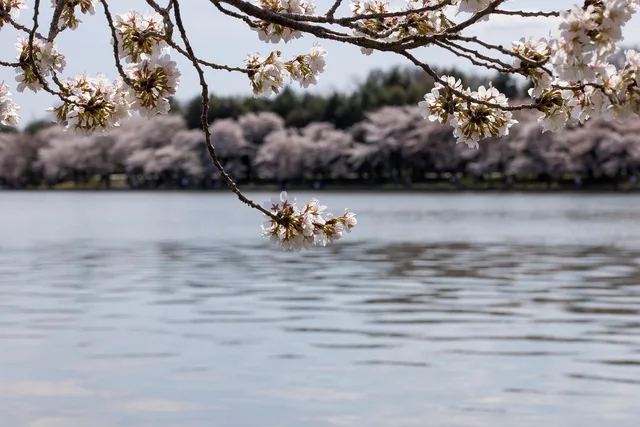
Cherry bloom in spring and maple color in autumn draw the crowds. Weekends in March and April produce the longest lines, often before 11 a.m. Arrive at opening or after 3 p.m. for quieter paths.
The garden covers roughly five acres, so an hour suits most visitors.
The smaller gardens between the two headline ones
Several smaller gardens sit between the headline two. Most cost nothing and take 15 to 30 minutes each. They fill the gaps in a day.
Free Gardens Between the Paid Ones
Garden
- Rose Garden
- Free
- Shakespeare Garden
- Free
- AIDS Memorial Grove
- Free
- Garden of Fragrance
- Free with admission
- Chain of Lakes / Stow Lake
- Free
Cost
- Rose Garden
- 15-30 min
- Shakespeare Garden
- 15-30 min
- AIDS Memorial Grove
- 15-30 min
- Garden of Fragrance
- 15-30 min
- Chain of Lakes / Stow Lake
- Slow loop
Time
- Rose Garden
- Shakespeare Garden
- AIDS Memorial Grove
- Garden of Fragrance
- Chain of Lakes / Stow Lake
- San Francisco Botanical Garden: 55 acres of cloud forest, Mediterranean and California native collections; adult admission typically runs about $14 to $16, with free hours for residents and on some mornings.
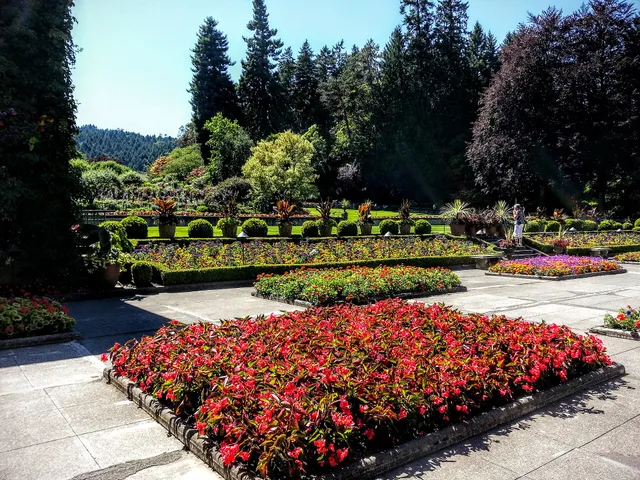
- Rose Gardenhundreds of rose varieties around a central green; free, best in late spring and early summer.
- Shakespeare Gardenplanted with species named in Shakespeare's plays; free and quiet.
- AIDS Memorial Grovea landscaped memorial at the park's eastern end; free, with paths and benches.
- Garden of fragrance at the arboretuma compact section built for scent and touch, free with botanical garden admission.
- Chain of Lakes and Stow Lakeplanted edges and island habitat that suit a slow loop.
The same logic applies on a longer drive. Lesser-known public gardens sit just off the highway rather than inside a city park.
Walking, shuttle and transit between the gates
Distances inside the park run longer than a phone map suggests. The Conservatory to the Tea Garden is about half a mile, a 10 to 15 minute walk on level paths. The Botanical Garden is another 10 minutes west.
Walking Distances Between Gardens
- Conservatory to Tea Garden0.5 mile
- Tea Garden to Botanical Garden10 minutes
- Conservatory to Tea Garden10-15 minutes
Muni routes 5, 7, 21, 33 and 44 stop near the eastern edge. The N Judah runs along the southern side. The park shuttle is seasonal and its published times are thin, so treat any schedule as unverified. When it runs, it loops between the eastern gardens and the western end.
Check park hours and shuttle times before you rely on it.
Parking fills early on weekends and holidays. The Music Concourse garage and the Ocean Beach lot are the main options, and street parking near the eastern entrance is metered. Budget for the parking and transfers that add to any garden day, because the ticket price is rarely the whole cost.
Access: paths, gates and ticket lines
Most garden paths in the park are paved and fairly level. Parts of the Tea Garden and the Botanical Garden have slopes, gravel and steps. The Conservatory interior is step-free. The Tea Garden's drum bridge is steep; a flatter route around the pond serves the same views.
Under the ADA, mobility devices must be allowed in areas open to pedestrians, with limited safety exceptions, set out in the ADA Requirements: Wheelchairs, Mobility Aids, and Other Power-Driven Mobility Devices | ADA.gov.
Ticket sales carry federal duties too. Sellers must make tickets available to people with disabilities and provide accessible entry where the venue offers it, per the ADA Requirements: Ticket Sales | ADA.gov. If a garden sells timed entry, ask for an accessible slot.
Confirm any specific route with the garden's own access office before you go. For planning beyond the park, official federal travel resources are collected at Travel | USAGov.
A worked one-day route, east to west
This route covers three paid gardens and two free ones in about six hours, with breaks. It assumes a start at the eastern entrance near Haight Street.
One-Day Route East to West
- Start at Conservatory of Flowers at opening
- Walk to Rose and Shakespeare Gardens
- Continue to Japanese Tea Garden
- Cross to San Francisco Botanical Garden
- Finish at Stow Lake or AIDS Memorial Grove
A worked one-day route
- Start at the Conservatory of Flowers at opening. Give it 45 to 60 minutes inside, then walk the outside beds.
- Walk five minutes to the Rose Garden and Shakespeare Garden. Both are free; allow 30 minutes together.
- Continue to the Japanese Tea Garden. Buy at the gate, walk the pond loop, and take tea in the Tea House if the line is short.
- Cross to the San Francisco Botanical Garden and spend 90 minutes on the main paths. The garden of fragrance is a good short stop.
- Finish with a loop of Stow Lake or the AIDS Memorial Grove before catching a bus or shuttle back east.
Fog and damp air are common even in summer, and glasshouse interiors fog camera lenses. A light shell, a microfibre cloth and a small day bag cover most of it, as noted in this guide to packing for a glasshouse-heavy botanical garden trip.
Before committing to a day of paid entries, compare what is free and what is not. The real cost of reaching a public garden often sits in transport and food rather than the gate. Two of the best gardens here cost nothing.
A worked one-day route
| Garden | Style | Entry | Hours note |
|---|---|---|---|
| Conservatory of Flowers | Victorian glasshouse, tropical and aquatic | Paid, adult about $10 to $12; discounts for youth, seniors, residents | Closed Mondays; last entry about an hour before close |
| Japanese Tea Garden | Japanese strolling garden, pond and tea house | Paid, adult about $12 to $15; free Mon, Wed and Fri, 9 to 10 a.m. | Open daily; busiest in spring and autumn |
| San Francisco Botanical Garden | World climate zones, cloud forest, natives | Paid, adult about $14 to $16; free hours for residents and some mornings | Open daily; gates close in late afternoon |
| Rose Garden | Formal rose beds | Free | Daylight hours; peak late spring |
| Shakespeare Garden | Small themed garden | Free | Daylight hours |
| AIDS Memorial Grove | Landscaped memorial | Free | Daylight hours |
Common questions
Do I need tickets in advance for the Conservatory of Flowers?
Not always, but buying online saves time at the gate on weekends. Walk-up tickets are sold when capacity allows.
Is the Japanese Tea Garden free at any time?
Yes, on Mondays, Wednesdays and Fridays from 9 to 10 a.m. Outside those windows, admission is charged for most visitors.
Can I walk between all the gardens in one day?
Yes, if you stay in the eastern cluster. The Conservatory, Tea Garden, Rose Garden and Botanical Garden all sit within about a mile of one another.
Are the garden paths accessible for wheelchairs and scooters?
Most main paths are paved and level, but some sections have steps, gravel or slopes. Mobility devices are allowed on pedestrian routes under the ADA Standards for Accessible Design. Ask the garden's access office to confirm a specific route.