Guides
Garden travel packing list: water, food and free printables
A garden travel costs packing list built on avoiding on-site purchases: bring water and food, print the free guides, and spend only on plants and books.
Almost everything a visitor buys inside a garden is available cheaper outside it, and several of the things people buy are given away free if you know to ask. This garden travel costs packing list is organized around that: what to bring, what to print before you go, and what is genuinely worth buying on site.
What to take away
- Print the free activity guides before you travel rather than buying a guidebook.
- Bring your own water and food instead of buying them on site.
- Many free educational materials exist online and are never mentioned at the gate.
- Pack for weather rather than buying a poncho at the shop.
Print the free guides first
Gardens produce their own material and give it away. The on-site activity resources at the United States Botanic Garden include plant passports and field journals designed to be printed at home before a visit or requested on arrival, each intended to take about thirty to forty-five minutes.
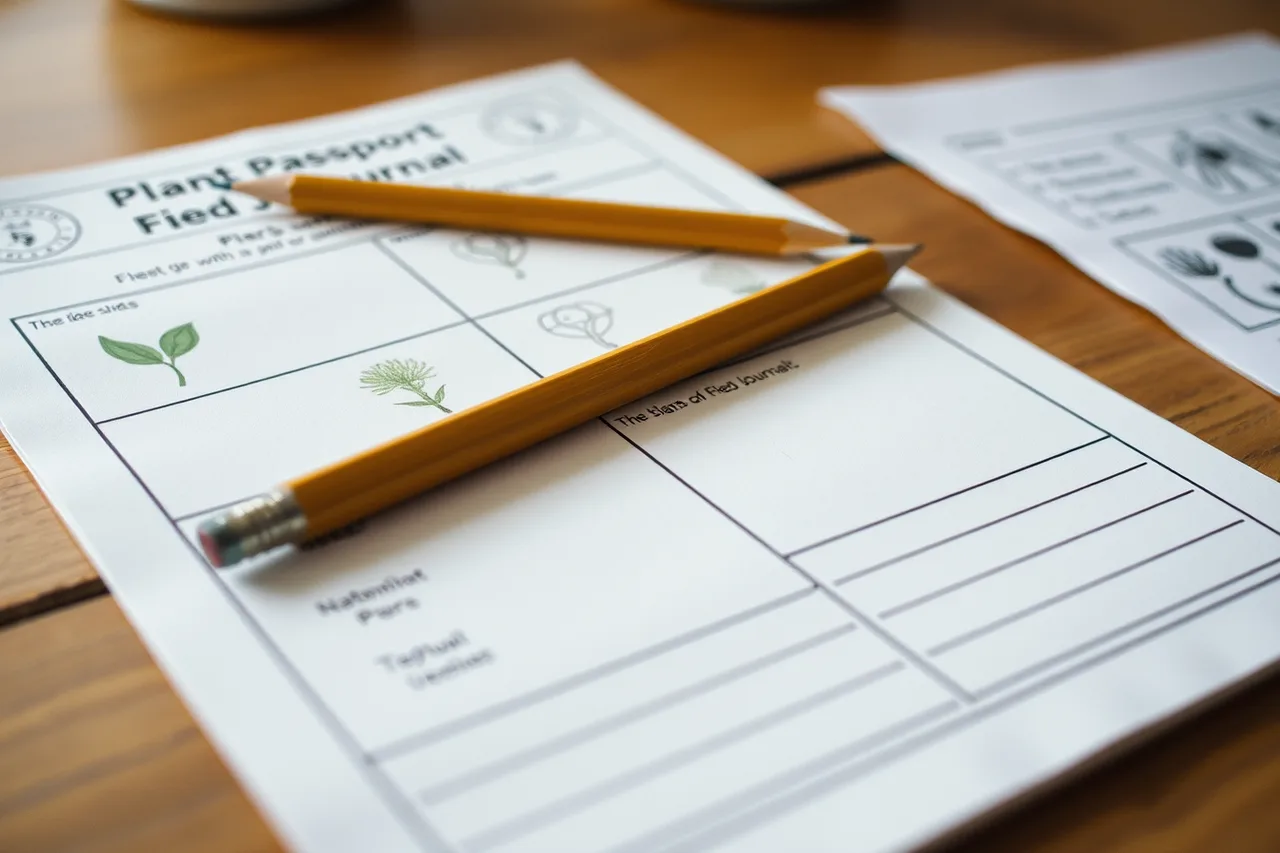
They cover subjects such as plant form and function in the Conservatory, where common foods come from and which parts of a plant we eat, and a field journal for the outdoor regional garden of native plants. Large groups are asked to print in advance, and some resources are only available on site seasonally.
Print those and you have a structured visit for the cost of paper. It also removes the shop as a default stop.
Other free material to print before you go
There is more of this than most visitors realise, published by public bodies rather than by the garden itself. The Fish and Wildlife Service maintains a set of education curricula and programs covering virtual education sessions and programs for pre-kindergarten and elementary ages.
One school partnership is built around a prairie wetlands ecosystem that blends science, maths, language arts and art. The Junior Duck Stamp conservation and design program has students study waterfowl anatomy and habitat before producing artwork.
The National Park Service also publishes free Junior Ranger activity booklets for its sites, many of them downloadable and printable at home before you go.
None of that costs anything to download and print, and much of it works as preparation for a garden or refuge visit with children.
The general rule is worth stating plainly. Public institutions are funded to produce educational material and are usually pleased when somebody uses it. If a shop is selling you a booklet, check first whether a free version of the same thing exists on the same organization's website, because it frequently does.
The list
- A full water bottle per person, refilled before leaving your accommodation.
- Food you can eat outdoors, since indoor eating is often prohibited.
- Printed guides and a pencil, rather than a bought guidebook.
- A packable rain shell instead of a shop-bought poncho.
- Sun protection, which gardens sell at gift shop prices.
- A small bag you can carry all day, because storage is usually unavailable.
What is worth buying on site
Not much, with two exceptions. Plants, where the garden runs a nursery selling stock suited to the region, and books specific to that collection. Both are things you cannot get elsewhere. Everything else is a convenience purchase.
The two-day garden itinerary shows how a full garden day fits together once you have packed.
Packing well is really about removing decisions you would otherwise make while tired and hungry at four in the afternoon. Every item on this list exists to prevent one purchase made under those conditions, which is when garden budgets actually break.