Rules
Accessible garden travel: what to verify before you go
Garden travel costs accessible options: what to verify before you go — trail surfaces, gradients, equipment loans and the phone call that saves a trip.
Accessible travel is often assumed to be expensive. For gardens and public reserves it usually is not, because most of the provision is publicly funded infrastructure rather than a paid service. The cost is in the research, and in what happens when the research is wrong.
That holds for public gardens and arboretums as much as for federal reserves. Garden travel costs are usually modest at the gate, and the accessible options that matter most — a loaned wheelchair, a firm-surfaced route, a place to stop a car — are rarely the expensive part.
What to take away
- Trail surface and gradient matter more than the presence of a ramp.
- Recent public investment has upgraded a lot of trails, so old information misleads.
- Ask what was actually rebuilt and when, rather than whether a site is accessible.
- The cheapest safeguard is a phone call the week before you travel.
- Gardens and refuges answer the same three questionsis the route open, is equipment available, and where can a car stop.
What an upgraded trail actually involves
The word accessible on a website tells you very little. A specific description tells you a lot.
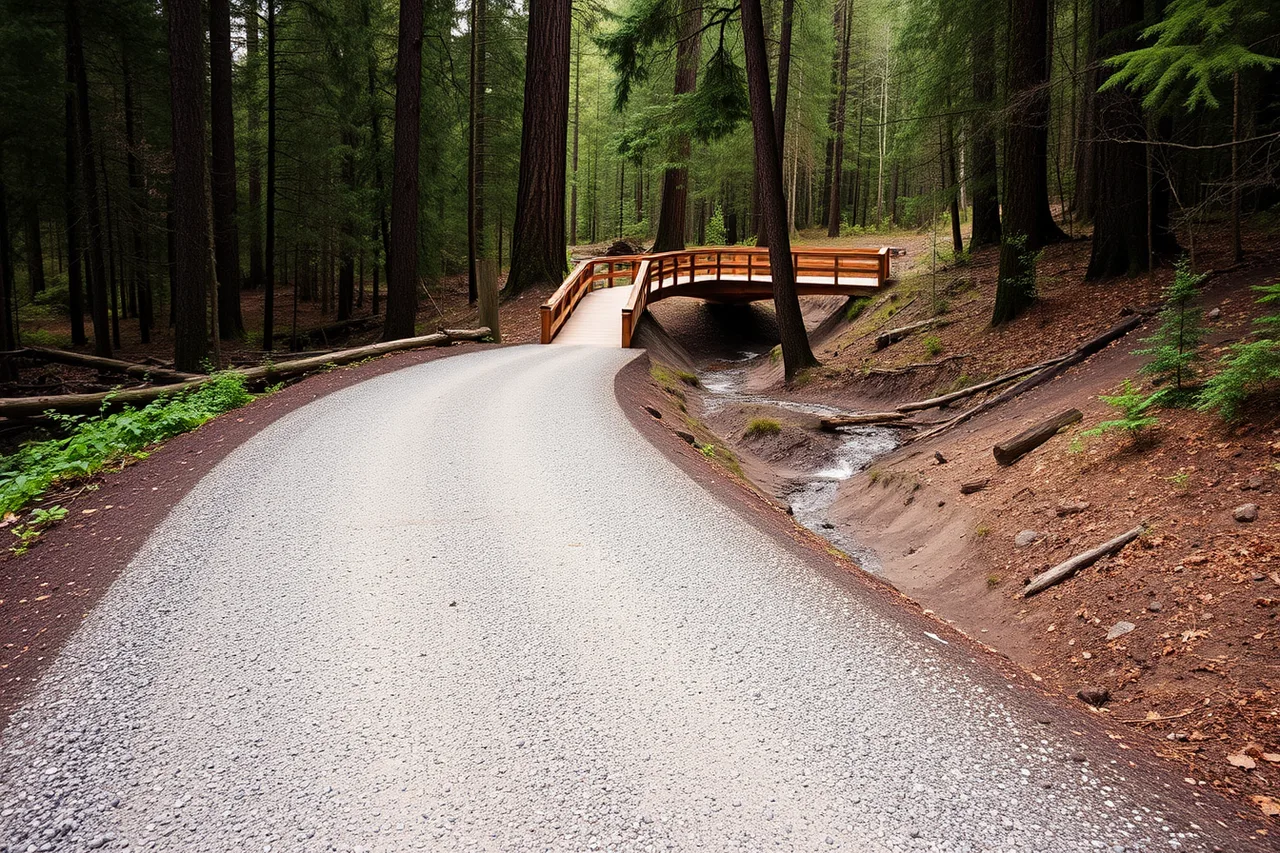
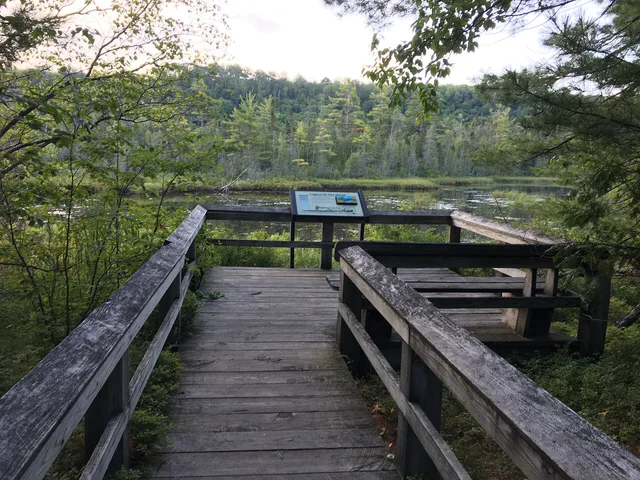
At William L. Finley National Wildlife Refuge south of Corvallis, Oregon, the Woodpecker Loop Trail was rebuilt in a project costing 357,000 dollars. The work replaced deteriorating wooden bridges and boardwalks and improved the walking surface and gradient on what the refuge calls its most popular trail.
The aim was year-round use in a part of the state where wet weather makes accessible trails hard to find.
That is the level of detail worth asking for. Surface, slope, drainage and the date of the work. A trail rebuilt three years ago and a trail described as accessible in 1998 are different propositions.
For federal outdoor sites, including national wildlife refuges, the standard to check against is the Architectural Barriers Act Accessibility Standards, which the U.S. Access Board has extended to outdoor developed areas such as trails. Public gardens run by a city, a state or a nonprofit answer to the Americans with Disabilities Act instead. Either way, the useful question is the same: what exactly was built or rebuilt, and when.
The American Public Gardens Association is the membership body for public gardens in North America, and it is a better starting point than a forum post when you are working out which gardens sit near a planned route. A garden's own access page — reached from the garden's website, not from a third-party listing — is where the detail about surfaces, gradients and loaned equipment usually sits.
Why so much has changed recently
A large, recent program of work is behind these upgrades. Writing on the Great American Outdoors Act, the Fish and Wildlife Service set aside nearly $100 million a year to reduce the maintenance backlog on refuges.
Funded projects rehabilitate auto tour routes, repair offices and visitor centers, replace facilities, and update water infrastructure. The work is spread across the refuge system, so the site you remember from a decade ago may not be the site you arrive at.
The practical consequence for a garden or a refuge is the same: guidance more than a few years old may understate what is available. Check the current page, not a forum post.
Where the cost really falls
| Item | Typical cost |
|---|---|
| Entry to public reserves and many gardens | Free or low |
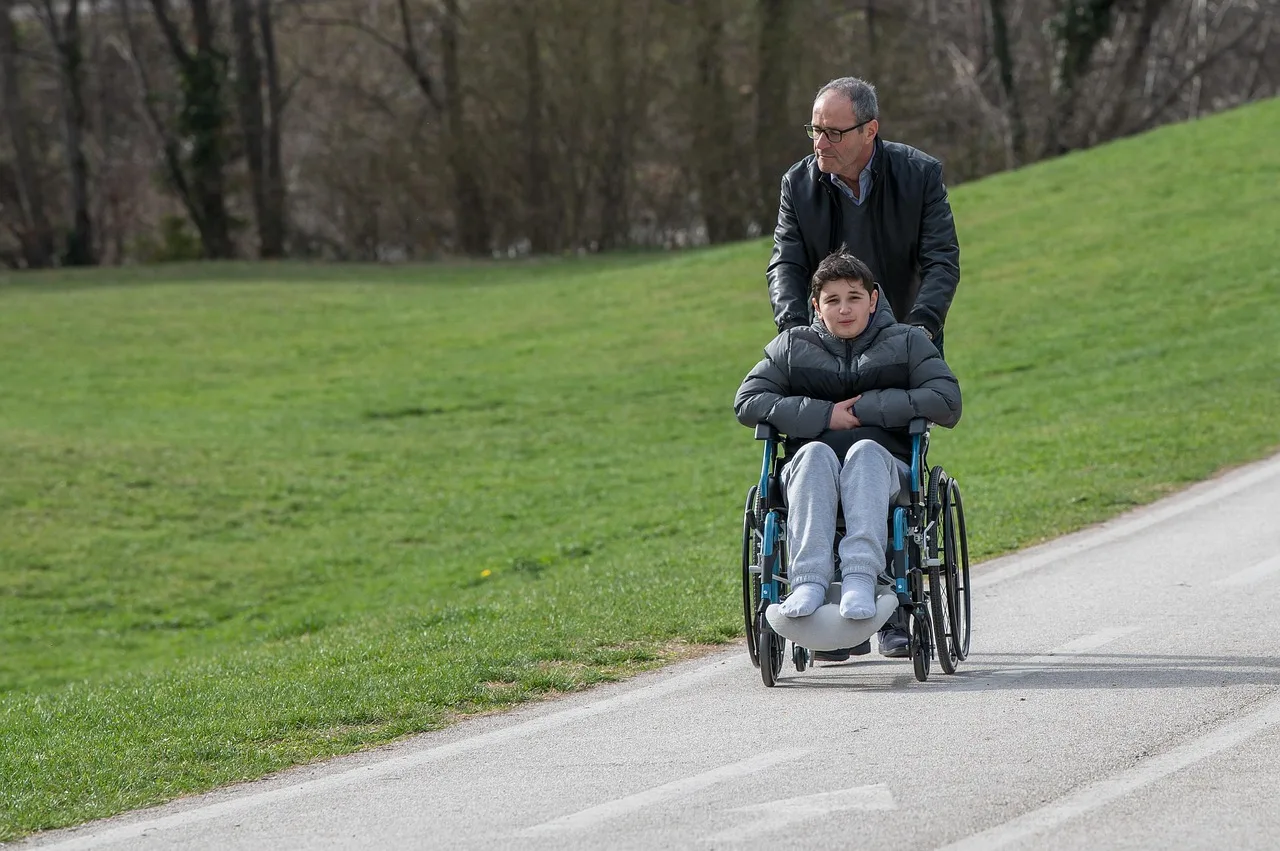
| Borrowed wheelchair at a garden | Usually free, photo ID held |
| Accessible parking | Standard rates, very limited spaces |
| Adapted transport to the site | The real expense, and the one to book early |
The pattern is consistent. The site is cheap; getting to it is not. Budget accordingly, and treat transport as the item worth paying to get right.
Some of the best-known gardens cost nothing at the gate. The U.S. Botanic Garden in Washington, D.C., charges no admission, and the Chicago Botanic Garden in Glencoe, Illinois, is free to enter and charges for parking instead. That is the pattern in the table above: the gate is rarely the expensive part of an accessible garden trip.
Site costs vs transport costs
Site costs
- Entry
- Free or low
- Wheelchair loan
- Usually free
- Parking
- Standard rates
- Adapted transport
- Not applicable
Transport costs
- Entry
- Not applicable
- Wheelchair loan
- Not applicable
- Parking
- Limited spaces
- Adapted transport
- The real expense
One more saving matters. A site that lends mobility equipment removes the cost of transporting your own. For some travelers, that is the difference between a trip that works and one that does not.
The loan is normally site only. It normally requires photo identification held at the desk. It does not help between the station and the gate. It does mean you can travel lighter and hire less.
Not all provision is equipment. The Fragrance Garden at Brooklyn Botanic Garden, for example, was created for visitors who are blind or have low vision, with raised planters and Braille labels.
Verify, then travel
Phone in the week before you go and ask three things: is the accessible route currently open, is any equipment available on the day, and where can a vehicle stop. Use the number on the site's own contact page rather than a third-party listing. Our guide to garden travel costs, budgets and hidden expenses covers the costs that surprise everyone, and transport, stays and tickets explains why arriving early matters where accessible bays are few.