Industry
Part of Garden Trips Planning: Five Steps for a Better Visit
Cafes, bike share and friends groups: what shapes a garden day beyond the gate
A look at what shapes a garden day beyond the gates: named cafes and bike share systems, friends groups that fund programs, and local checks before you go.
A garden day is only partly delivered by the garden. Food, transport, opening hours in the surrounding streets and the programs on the calendar are frequently supplied by somebody else. Knowing who does what makes it easier to plan and easier to spend money where it helps.
What to take away
- Much of a garden's public programming is funded and run by a separate support organization.
- Local transport and food businesses set the practical limits of a garden day.
- Urban sites often exist because of a deliberate partnership with the surrounding city.
- Spending locally near a garden supports the visit as much as the ticket price does.
The support organization you have not heard of
Behind many public gardens sits a non-profit that pays for the parts a visitor most enjoys. The Friends of the U.S. Botanic Garden is a clear example, created in 1991 to finance the National Garden.
Other friends groups a reader can look up include Friends of the National Arboretum in Washington, D.C., and Bellevue Botanical Garden Society in Bellevue, Washington.
Today it supports educational outreach. The organization helps coordinate around two hundred public programs each year, administers registration fees, supports the volunteer program, sponsors an outreach internship, and funds a hands-on plant science program.
When you pay a registration fee for a workshop, that is often where the money goes. It is also why program quality can differ sharply between two gardens of similar size.
The businesses that set your timetable
Look at the streets around the entrance before you plan the day. Three things decide what is possible: whether anywhere serves food after the garden closes, whether bicycles or scooters can be hired near the gate, and whether a shuttle or local bus runs at the hours you need.
Named options to check include Capital Bikeshare in Washington, D.C., Citi Bike in New York City, Bay Wheels in San Francisco, Garden View Cafe at the Chicago Botanic Garden, and 1919 Cafe at The Huntington in San Marino, California.
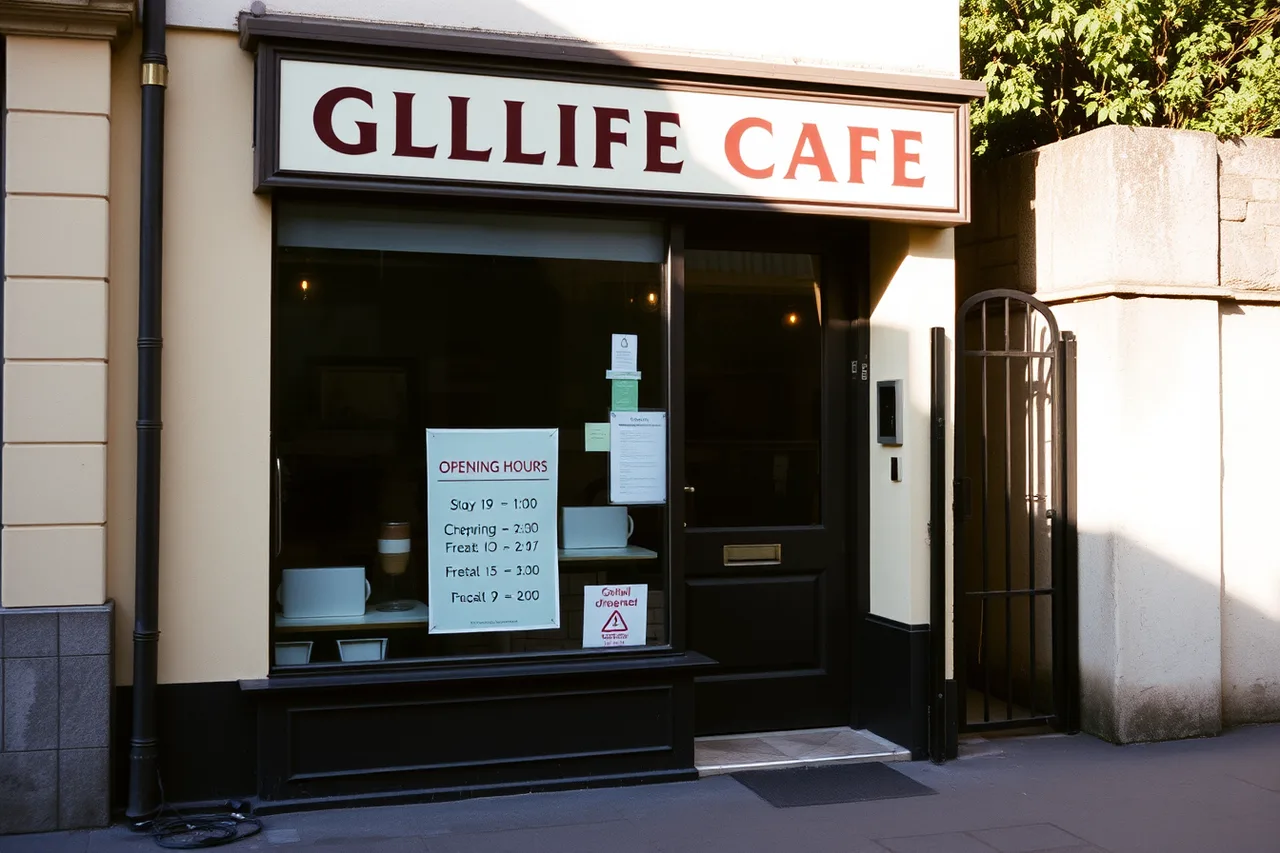
In small towns, these are single businesses. If the one cafe closes at three, the shape of your afternoon changes.
Check this rather than assume it, because the garden's own pages rarely mention it. A site can publish generous closing hours while every nearby business shuts mid-afternoon. That mismatch turns a long evening visit into a hungry drive.
Search the surrounding streets instead of the garden name, and check opening hours for the actual day of the week you are going.
Why cities and gardens work together
Urban green space is not accidental. The Fish and Wildlife Service runs an Urban Wildlife Conservation Program built on partnership with the surrounding community. The numbers behind it are specific. Over a hundred urban national wildlife refuges sit within twenty-five miles of populations of a quarter of a million or more.
There are thirty-two designated urban partnership cities, and thirty Urban Bird Treaty cities overlap with much of that network. With around eighty percent of Americans living in cities and suburbs, that partnership model is how access gets built.
Public gardens work the same way. The neighborhood association, the school district and the local nursery are usually somewhere in the story.
What a visitor can usefully do
- Buy lunch near the garden rather than carrying it in from a chain elsewhere.
- Pay the registration fee for a program rather than only walking the site.
- Use the local shuttle or bus if one exists, since routes are cut when nobody rides them.
- Ask staff which nearby businesses they recommend, because they know which ones open.
Our guide to planning garden trips covers where these questions belong in the sequence, and our notes on choosing a base explain why the surrounding town matters more than the room.