Industry
Part of Garden Trips Planning: Five Steps for a Better Visit
Why the nearest hotel to a garden is rarely the best base for the trip
How to choose a base for a garden trip: gateway towns, walkable approaches, and why the nearest bed is rarely the one that improves the visit.
The best base for a garden trip is not always the closest one. What you want is a place that lets you arrive at opening, stay until closing, and eat afterwards without a long drive. Those three conditions rule out a surprising number of otherwise attractive options.
What to take away
- Choose the town that has a walkable approach to the site, not the one with the nearest postcode.
- A visitor center with an address published in a town is a good sign of local services.
- Trails and paths that link a town to a site change what is possible on foot.
- Book a place you can return to mid-afternoon if the weather turns.
Gateway towns beat gate-adjacent hotels
Rural gardens, arboreta and refuges tend to have a nearby town that carries the services: food, fuel, a pharmacy, somewhere to sit out a thunderstorm. That town is usually the right base even when it is fifteen minutes further away.
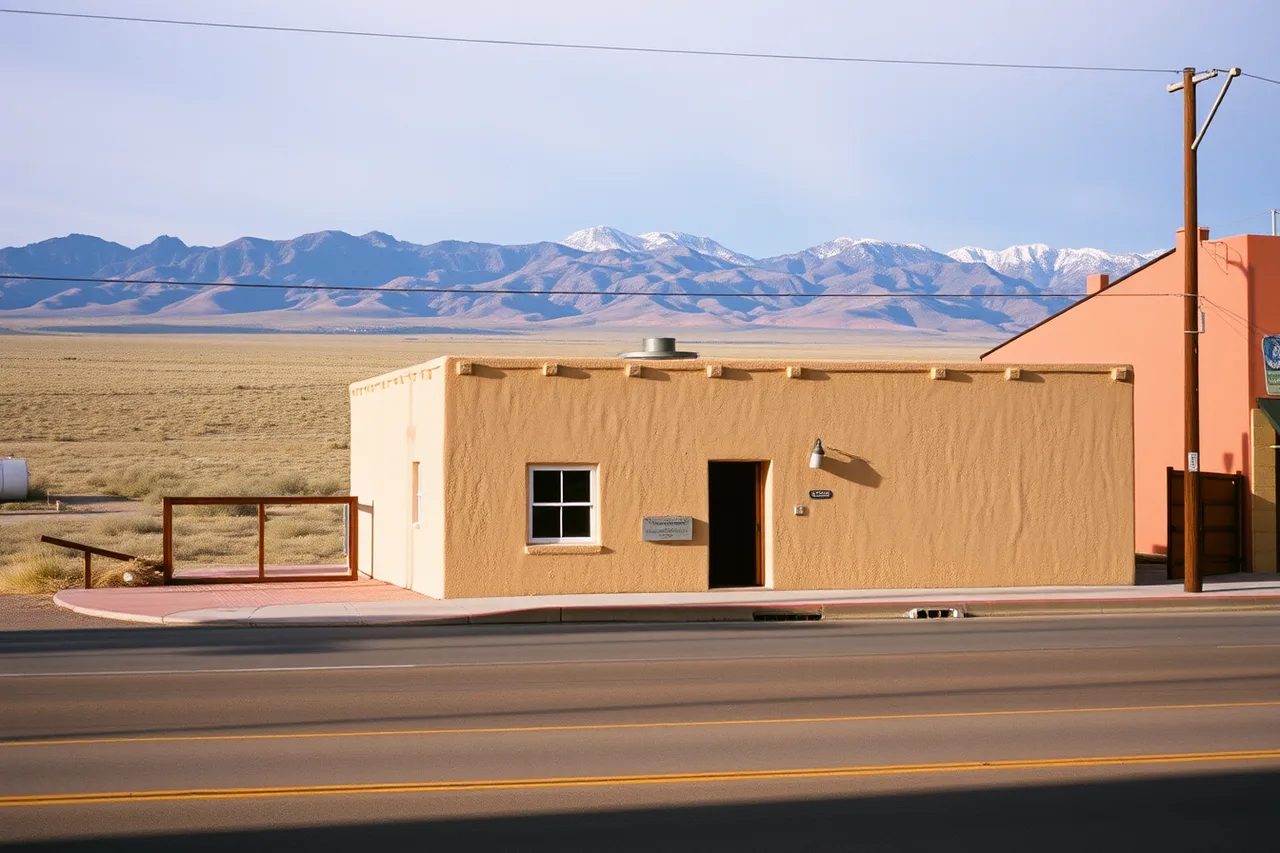
The pattern shows in how sites are placed. The San Luis Valley National Wildlife Refuge Complex in Colorado opened a new visitor center and headquarters with a street address in Alamosa, a town. The opening drew a community event and a staff-led wildlife walk that turned up birds and a porcupine.
The facility sits where people already are. Staying in that town gives you the services and the evening program. An isolated property nearby gives you neither.
Look for a walkable approach
The single feature that most improves a garden stay is a path you can walk from your accommodation. Where those exist they are usually recent and deliberate. In Wells, Maine, a mile-long pedestrian trail through the Rachel Carson National Wildlife Refuge was built with a federal access grant.
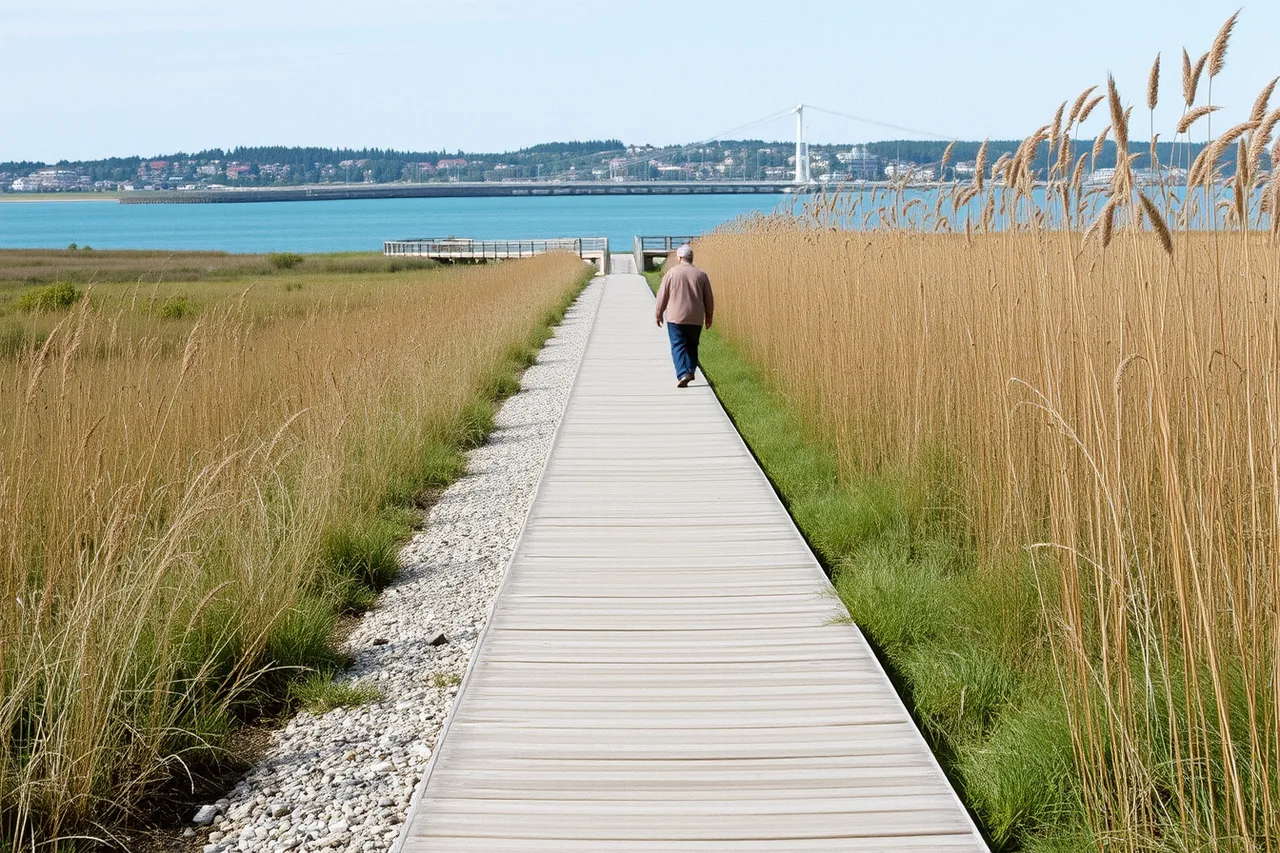
It links the town center to the harbor and beach along the edge of a salt marsh, and connects to an existing local trail network. Before it existed, walking that stretch meant using the shoulder of a busy road with no guardrail.
When you are comparing two places to stay, ask whether either has that kind of connection. It is worth more than a better room.
The practical filters
- Can you reach the entrance before opening without a car?
- Is there anywhere to eat after the garden closes, or does the town shut early?
- Can you return in the middle of the day if it rains?
- Is parking at your accommodation included, or another daily charge?
- Is there a shop for water, fruit and sun cream within walking distance?
Run those five before you compare prices. A cheaper room that fails two of them costs more once you add the driving, and it removes the option of a second visit later the same day.
Cities are a different problem
In a city, transit matters more than distance. A room two stops away on a direct line beats one a mile away with a change. Our guide to planning garden trips puts accommodation last in the booking order because it is the most replaceable part of the plan.
Where a garden's neighbors supply your meals and transport, read our piece on how local businesses shape a garden day.