Rules
How ADA Standards shape access at US public gardens and what to check first
ADA Standards public garden accessibility rests on the 2010 Standards and Title II or III rules; here is what to verify before you book a visit.
What to take away
- ADA Standards public garden accessibility means the 2010 ADA Standards for Accessible Design set minimum dimensions for paths, ramps, parking and restrooms. Title II and Title III regulations decide which gardens must comply and how.
- A private garden is usually a Title III public accommodation; a state or municipal garden is usually covered by Title II, and both must meet the same 2010 Standards for built features.
- Service animals must be allowed in most garden areas, and wheelchairs and other power-driven mobility devices must be permitted where they can operate safely.
- Ticket sales, timed entry and effective communication carry their own ADA requirements that apply before you pay.
- NCHPAD accessibility resources and a short pre-booking checklist help you confirm details that websites often leave out.
Pre-booking checklist:
- The garden's owner is identified, and I know whether Title II or Title III applies.
- I have the name and contact details of the access coordinator or box office.
- The accessible route from parking or drop-off to the entrance is confirmed in writing.
- Restroom locations and accessible features are confirmed.
- Service animal and mobility device policies are confirmed.
- Ticket sales, timed entry and communication aids are confirmed.
- I have a backup plan if the weather changes the route surface.
What the ADA Standards for Accessible Design actually require at a public garden
The ADA Standards for Accessible Design are the technical rules that say how wide a path must be, how steep a ramp can be, and how many accessible parking spaces a lot needs. They apply to newly built or altered garden features, not to every historic trail or planting bed.
Key 2010 ADA Standards numbers
- 36 inchesminimum clear width
- 60 inchespassing space interval
- 112 maximum ramp slope
- 6 inchesrise requiring handrails
At a public garden, the 2010 ADA Standards for Accessible Design govern the visitor route from the parking lot to the entrance, through the core exhibit areas, and to restrooms, water fountains and seating. If a garden removes barriers as part of a renovation, the altered portion must meet the Standards.
Under the 2010 Standards, most accessible routes must have a minimum clear width of 36 inches, with 60-inch passing spaces at intervals. Ramp runs cannot exceed a 1:12 slope, and each ramp run needs level landings. Handrails are required on both sides of ramp runs that rise more than 6 inches.
Those numbers matter when you read a garden map. A path described as "mostly flat" can still include a 1:8 slope at a bridge or a 2-inch lip at a gate. The 2010 Standards for Accessible Design give you the vocabulary to ask about slope, cross slope and surface.
Garden features such as raised beds, overlooks and conservatory doors also fall under the Standards when they are part of the accessible route. A heavy door with a round knob is a common failure point, because the Standards require hardware that can be operated without tight grasping or twisting.
For travelers, the practical effect is that the Standards define a floor, not a guarantee. A garden can meet the letter of the rules and still have a route that is long, hot or poorly signed. That is why the pre-booking check at the top of this guide matters as much as the regulation itself.
Title II versus Title III: which rules cover municipal, state and private gardens
Title III of the ADA covers places of public accommodation, which includes most privately run gardens, arboretums and conservatories. The Title III regulation text lists museums, galleries and other places of recreation and exhibition among covered entities.
A private nonprofit garden that charges admission is almost always a Title III public accommodation. So is a commercial garden attached to a nursery or a historic house museum. Title III requires equal access to goods, services and facilities, and it prohibits extra charges for accessible seating or entry.
Title II covers state and local government entities. A garden owned by a city parks department, a state university or a state historical society falls under Title II. Title II adds requirements for self-evaluation, transition plans and a designated ADA coordinator in many cases.
In practice, the two titles overlap on the built environment. Both point to the 2010 ADA Standards for Accessible Design for new construction and alterations. The difference shows up in how you complain, who answers, and what records exist.
Federal gardens, such as those run by the National Park Service, are covered by Section 504 of the Rehabilitation Act rather than Title II or Title III. The access standards are similar, but the enforcement path runs through the federal agency.
Before booking, identify the owner. A garden's website often names a city department, a university or a private conservancy. That tells you whether a Title II coordinator or a Title III manager is the right person to contact.
The linked page Accessible Options for Garden Travel Costs for Travelers covers what to verify before you travel, because ownership and funding shape what a garden can change and how fast.
Paths, ramps, restriping and parking: the 2010 Standards in practice
Parking is the first test. The 2010 ADA Standards for Accessible Design require accessible spaces close to the entrance, with an access aisle and signage. Van-accessible spaces need a wider aisle. A garden that restripes a lot must bring the accessible spaces up to current Standards.
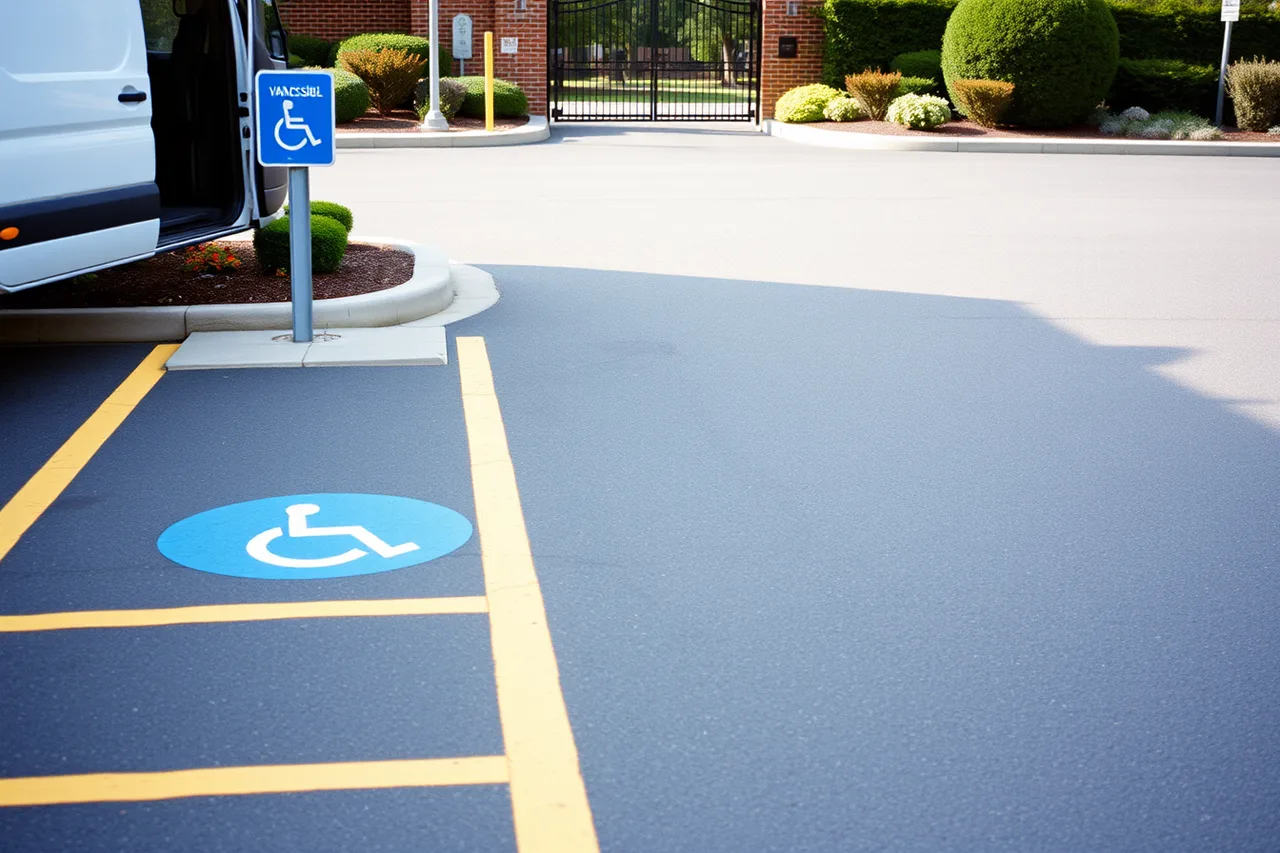
Restriping is a common trigger. When a garden repaves or repaints a parking lot, the accessible spaces must comply. Ask whether the lot has been restriped recently and whether the accessible spaces are van accessible.
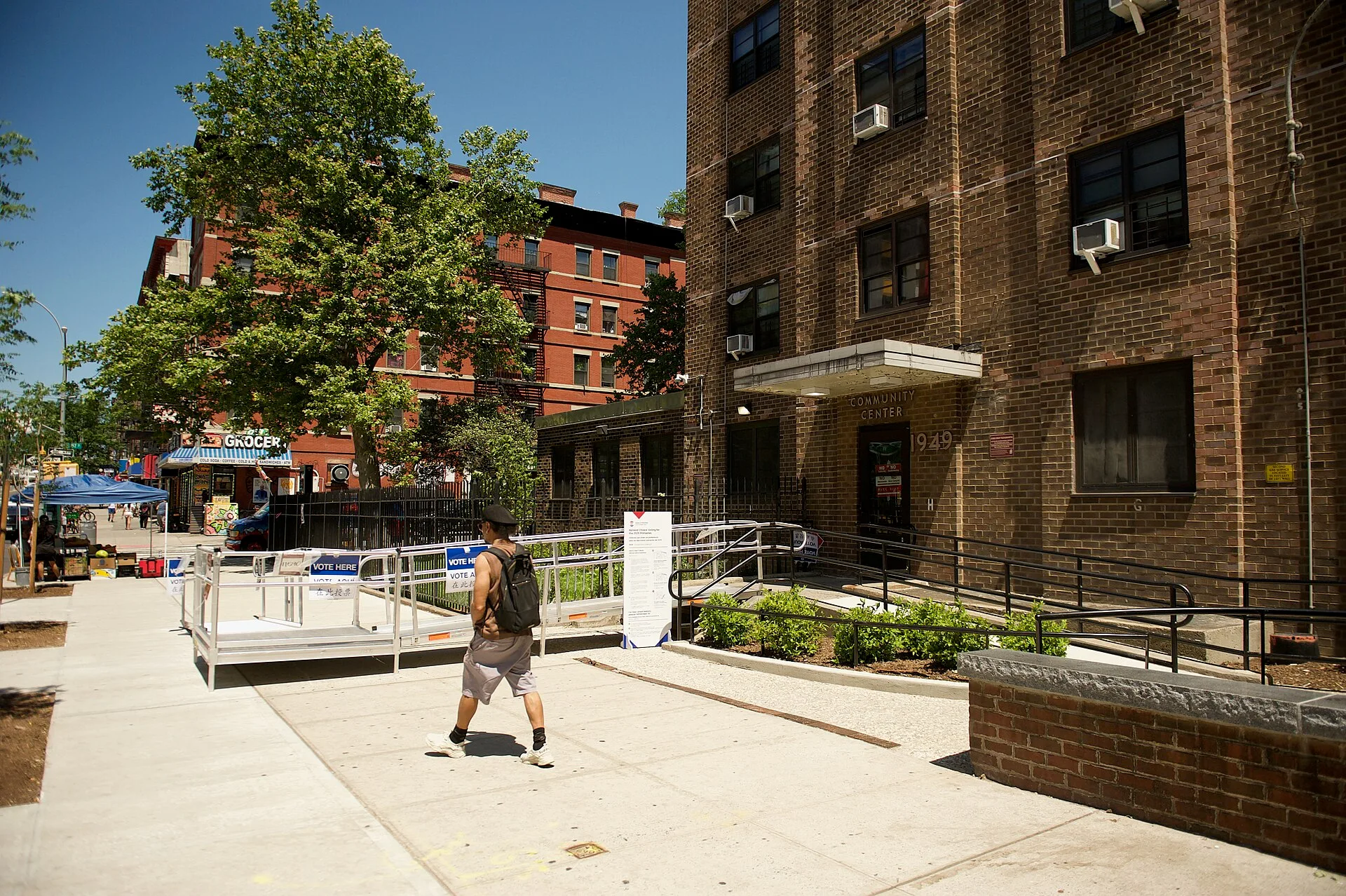
The route from the lot to the gate must be accessible. That means a firm, stable surface, no steps, and a slope within limits. Gravel, packed earth and mulch can work if they are firm and stable, but they often degrade after rain.
Inside the garden, the accessible route must connect the entrance, the main exhibit areas and the restrooms. Not every trail must be accessible, but the garden must provide an accessible way to see the core experience. If a hillside trail is the only route to a feature, that feature is effectively closed to some visitors.
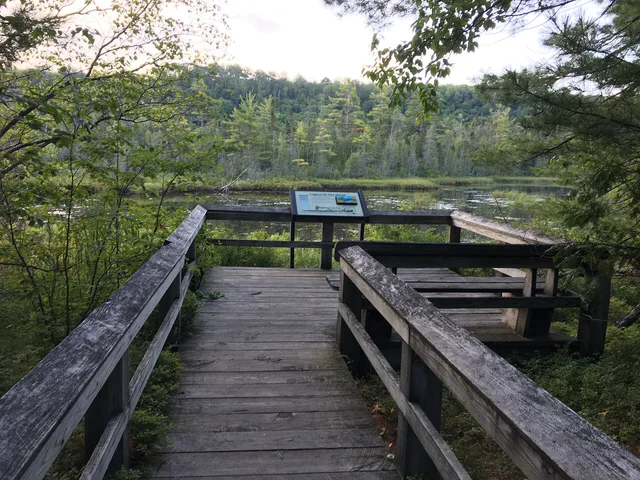
Ramps and bridges need handrails and edge protection. A garden bridge with a raised lip or a missing handrail can stop a wheelchair user even when the path itself is wide enough. Ask about handrails at overlooks and in conservatories.
Restrooms, water fountains and seating are part of the route. The Standards set heights and clear floor space for each.
A typical clear floor space at a lavatory or toilet is 30 inches by 48 inches. A car accessible parking space is at least 96 inches wide with a 60-inch access aisle. A van-accessible space is at least 132 inches wide, or 96 inches wide with a 96-inch aisle.
A garden with one accessible restroom at the entrance may still leave a visitor without facilities at the far end of a large property.
Historic gardens face real constraints. The National Register of Historic Places and National Park Service guidance allow some flexibility when meeting the Standards would threaten historic fabric, but the garden must still provide access to the greatest extent feasible.
When you plan, look for drop-off points and step-free routes, because a short accessible route from a curb can save a long walk from a distant lot.
Service animals, wheelchairs and other power-driven mobility devices on garden paths
Service animals are dogs, and in some cases miniature horses, trained to do work or perform tasks for a person with a disability. Under the ADA service animal rules, a garden must allow service animals in most areas open to the public, even where pets are banned.
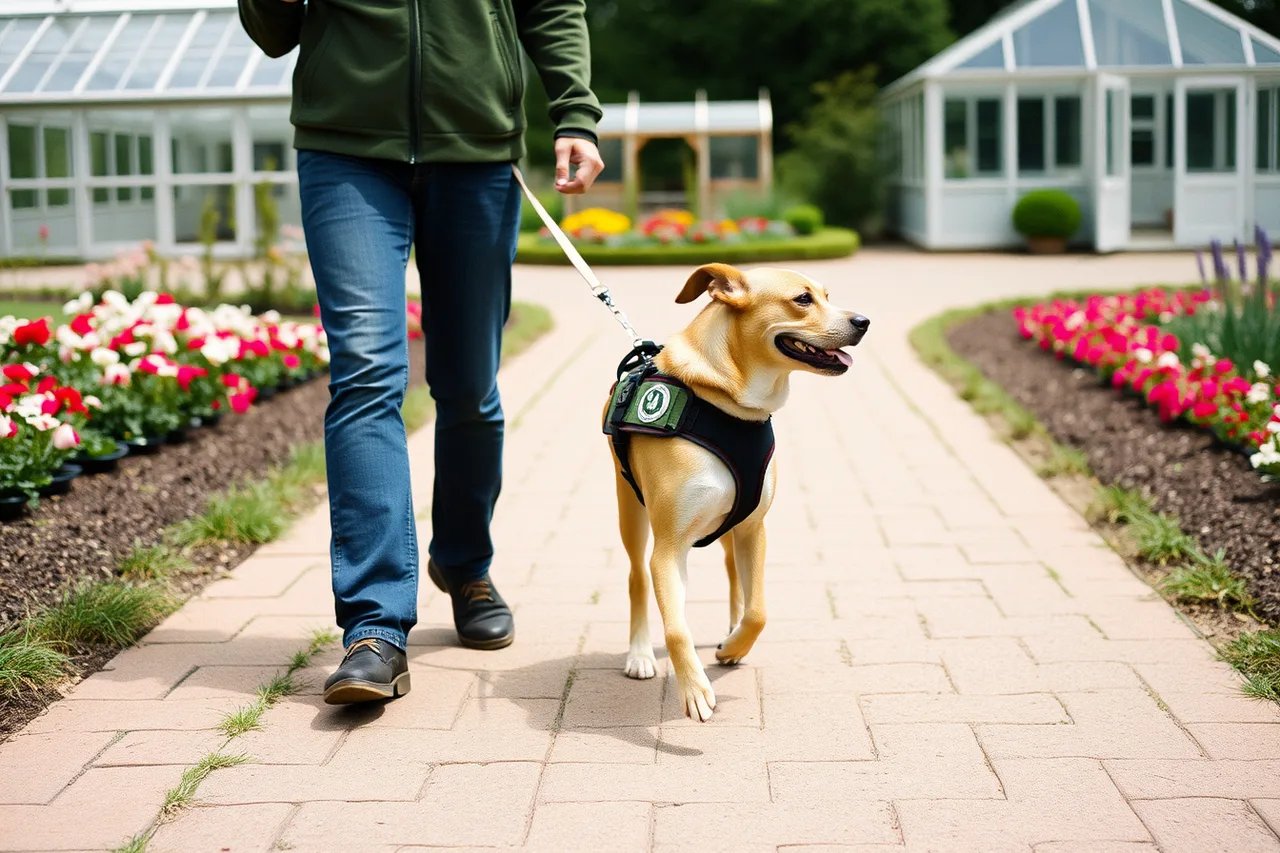
Staff may ask only two questions: whether the animal is required because of a disability, and what work or task the animal has been trained to perform. They cannot ask for documentation, demand a demonstration, or charge a fee.
A service animal must be under the handler's control, usually on a leash or lead. If the animal is out of control and the handler does not correct it, or if it is not housebroken, the garden can ask for it to be removed. The handler must still be allowed to stay.
Emotional support animals do not have the same access rights as service animals under the ADA. A garden may treat them as pets. That distinction causes most of the confusion at ticket windows and garden gates.
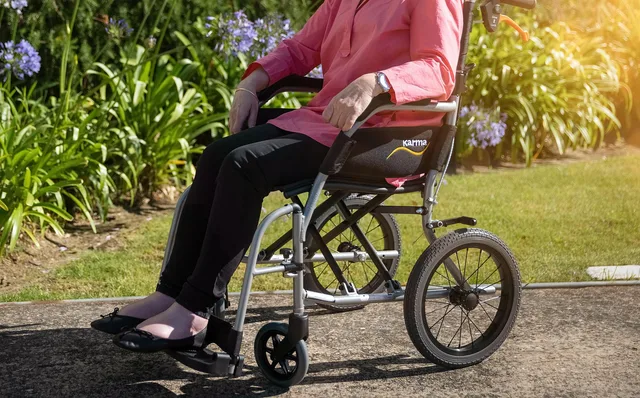
Wheelchairs and manually powered mobility aids must be allowed everywhere the public is allowed. That includes walkers, canes, crutches and rollators. A garden cannot require a visitor to transfer out of a wheelchair to use a shuttle or enter a building.
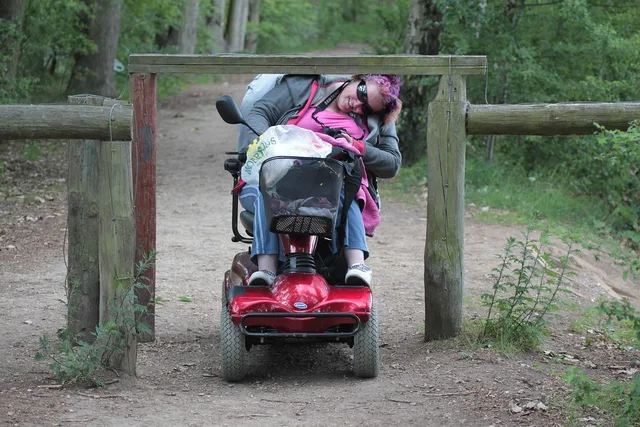
Other power-driven mobility devices, often called OPDMDs, include golf carts, Segways and similar devices. Under the rules for wheelchairs and other power-driven mobility devices, a garden must allow them unless it can show a legitimate safety reason. That reason must be based on the device's type, size, weight and speed, and on whether the device can be operated safely.
In practice, many gardens publish an OPDMD policy. Ask whether the garden allows personal OPDMDs, whether it provides loaner wheelchairs, and whether the terrain or a historic building limits where a device can go. A shuttle with a lift is not the same as a route a device can use.
If a garden's answer is only the word "accessible," ask for the specific route; see Trusting the word accessible.
Ticket sales, timed entry and communication access for deaf visitors
Ticket sales are covered by the ADA. Under the ADA requirements for ticket sales, a garden cannot charge more for an accessible seat, and it cannot require a companion to buy a ticket just to assist a visitor with a disability. Accessible seating must be available in the same price categories as other seats.
Timed entry adds a wrinkle. If a garden sells timed tickets, it must make accessible tickets available through the same sales channels, including online. A separate phone line that only opens on weekdays is not equivalent access.
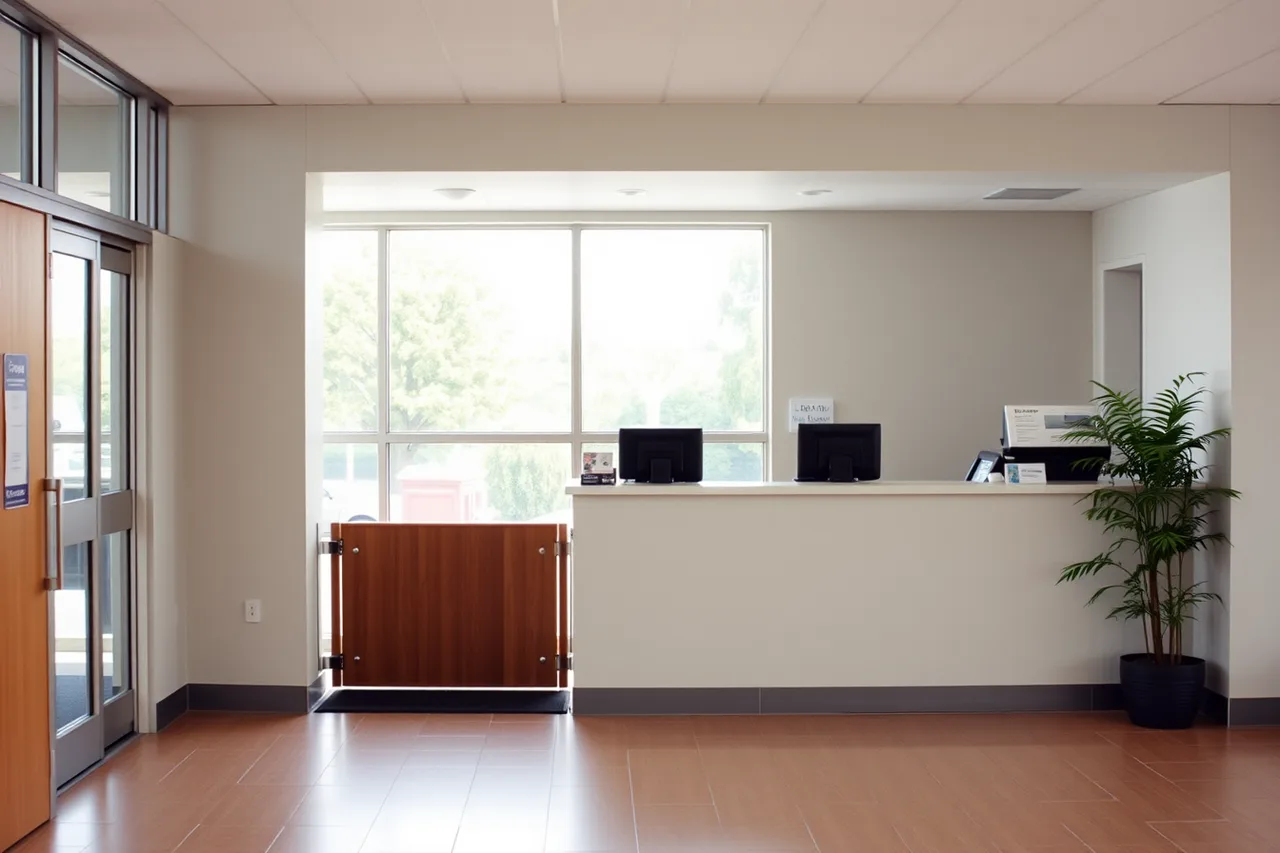
If a garden sells tickets at a counter, the counter must have a lowered section or an equivalent way to serve a visitor who uses a wheelchair. Staff should be able to complete the transaction without the visitor reaching across a high counter.
Effective communication is the other half. A garden must provide auxiliary aids and services when needed, such as written materials, captions on videos, or a qualified interpreter for a tour or program. The garden does not have to provide an interpreter for every request without notice, but it must have a process.
For deaf and hard-of-hearing visitors, ask about captions on orientation films, assistive listening devices for guided walks, and whether a sign language interpreter can be scheduled for a class or tour. Advance notice is common, so ask when you book.
The National Center on Health, Physical Activity and Disability, known as NCHPAD, publishes accessibility resources that compare what a garden promises with what the ADA requires.
If a garden's ticketing page does not mention access, call the box office and ask how accessible tickets are sold. The answer tells you how the visit will go.
What NCHPAD accessibility resources add to a pre-booking check
NCHPAD is a national center focused on health, physical activity and disability. Its accessibility resources translate ADA language into questions a traveler can ask. Use them alongside the ADA requirements, not instead of them.
The linked page How Local Businesses Can Support Historic Gardens explains how historic gardens businesses get support through grants, donors and government programs.
A pre-booking checklist a garden visitor can verify before paying
Work through these steps before you buy a ticket. Each one produces a written answer you can keep.
Pre-booking accessibility checklist
- Identify owner and applicable law
- Get access contact in writing
- Confirm route surface and slope
- Confirm service animal and mobility device rules
- Check ticket sales and timed entry
- Review accessibility page against 2010 Standards
A worked example shows how this plays out. Suppose a private historic garden in Pennsylvania sells timed tickets online and lists a "wheelchair-friendly" path. You email the box office and learn the path is packed gravel with a 1:10 slope at one bridge.
You ask whether the bridge can be avoided and whether a golf cart shuttle runs. The garden says yes, and it offers a loaner wheelchair. You book the first timed slot, when the gravel is dry, and you ask for a captioned orientation video.
That is the pattern: ask the garden for specifics and keep written answers. The result is a visit that matches what you were promised.
For historic properties, a historic garden booking checklist helps you sort combined tickets, restricted rooms and the right contact before you commit.